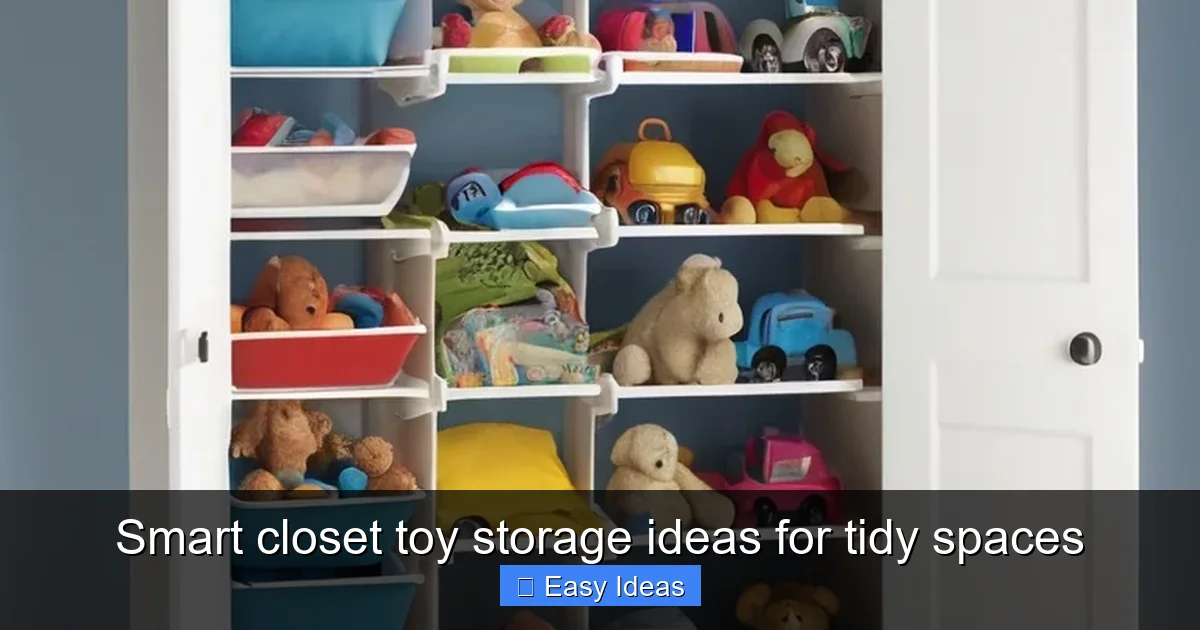
Smart closet toy storage ideas for tidy spaces
Keeping toys organized doesn’t have to be a daily battle. With smart closet toy storage ideas, you can create a tidy, functional space that makes cleanup fun and stress-free. From bins and baskets to custom shelving, these easy solutions help maximize space and keep clutter at bay.
Key Takeaways
- Use clear bins for visibility: Transparent containers let kids see their toys, making it easier to find and put things back.
- Label everything: Labels with pictures or words help children identify where each toy belongs, promoting independence.
- Install adjustable shelves: Customize shelf height to fit toys of all sizes and adapt as your child grows.
- Try hanging organizers: Over-the-door or closet rod organizers save floor space and store small items efficiently.
- Incorporate baskets and bins: Woven baskets or fabric bins add style while keeping toys contained and accessible.
- Rotate toys regularly: Store some toys out of sight and rotate them weekly to reduce clutter and renew interest.
- Involve your kids: Let children help choose storage solutions to increase their commitment to keeping things tidy.
Quick Answers to Common Questions
What’s the best way to store small toys like LEGO?
Use clear, labeled bins with secure lids. Stackable containers work well and keep pieces contained. For extra organization, use small dividers or compartment boxes inside the bin.
How can I make storage fun for my child?
Let them pick colorful bins, add fun labels, or turn cleanup into a game with timers and rewards. Involving them in the process increases their interest in keeping things tidy.
Are fabric bins safe for toy storage?
Yes, as long as they’re made from non-toxic, durable materials. Avoid bins with loose threads or weak handles. Fabric bins are soft and safe for kids to handle.
Can I use over-the-door organizers for toys?
Absolutely. Over-the-door shoe organizers with clear pockets are perfect for small toys, art supplies, or dress-up accessories. They save floor space and keep items visible.
How often should I rotate toys?
Every 2–4 weeks is ideal. Rotating toys keeps playtime exciting and reduces clutter. Store unused toys in a separate bin and swap them out seasonally.
📑 Table of Contents
- Why Smart Closet Toy Storage Matters
- Start with a Closet Makeover
- Clear Bins: See It, Store It, Find It
- Maximize Vertical Space with Shelving
- Hanging Organizers: Over-the-Door and Rod Solutions
- Baskets and Bins: Style Meets Function
- Creative and Fun Storage Hacks
- Maintain the System Over Time
- Conclusion
Why Smart Closet Toy Storage Matters
Let’s face it—kids’ toys have a way of multiplying overnight. One day your closet is neat and tidy, and the next, it looks like a toy tornado hit. Between stuffed animals, action figures, building blocks, and art supplies, it’s easy for clutter to take over. That’s where smart closet toy storage ideas come in. These simple, practical solutions help you reclaim your space and make cleanup a breeze.
Good storage isn’t just about hiding the mess—it’s about creating a system that works for your family. When toys have a designated home, kids are more likely to put them away. Plus, organized storage saves time, reduces stress, and helps protect your child’s favorite toys from damage. Whether you’re working with a small closet or a spacious walk-in, there are clever ways to maximize every inch.
Start with a Closet Makeover
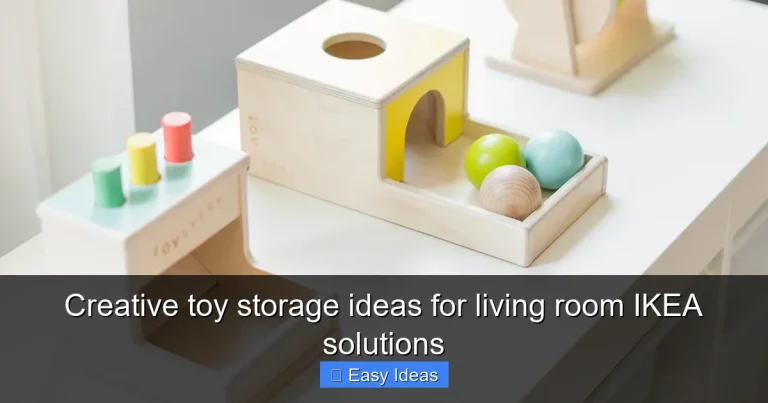
Visual guide about Smart closet toy storage ideas for tidy spaces
Image source: i.pinimg.com
Before diving into storage solutions, take a few minutes to assess your closet. Remove everything and sort items into categories: toys, clothes, shoes, and miscellaneous. This gives you a clear picture of what you’re working with and helps you decide what stays and what goes.
Once you’ve decluttered, clean the closet thoroughly. Wipe down shelves, vacuum the floor, and consider adding a fresh coat of paint or adhesive wallpaper for a fun, kid-friendly touch. A clean slate makes it easier to implement smart storage ideas and keeps the space feeling fresh.
Measure Your Space
Take accurate measurements of your closet’s width, depth, and height. This helps you choose storage solutions that fit perfectly. For example, a narrow closet might benefit from vertical storage, while a deeper one can accommodate bins and baskets with room to spare.
Declutter First
Don’t store what you don’t need. Go through toys with your child and decide what to keep, donate, or recycle. This not only frees up space but also teaches kids about letting go and making thoughtful choices. A smaller toy collection is easier to manage and more enjoyable to play with.
Clear Bins: See It, Store It, Find It
Visual guide about Smart closet toy storage ideas for tidy spaces
Image source: thespruce.com
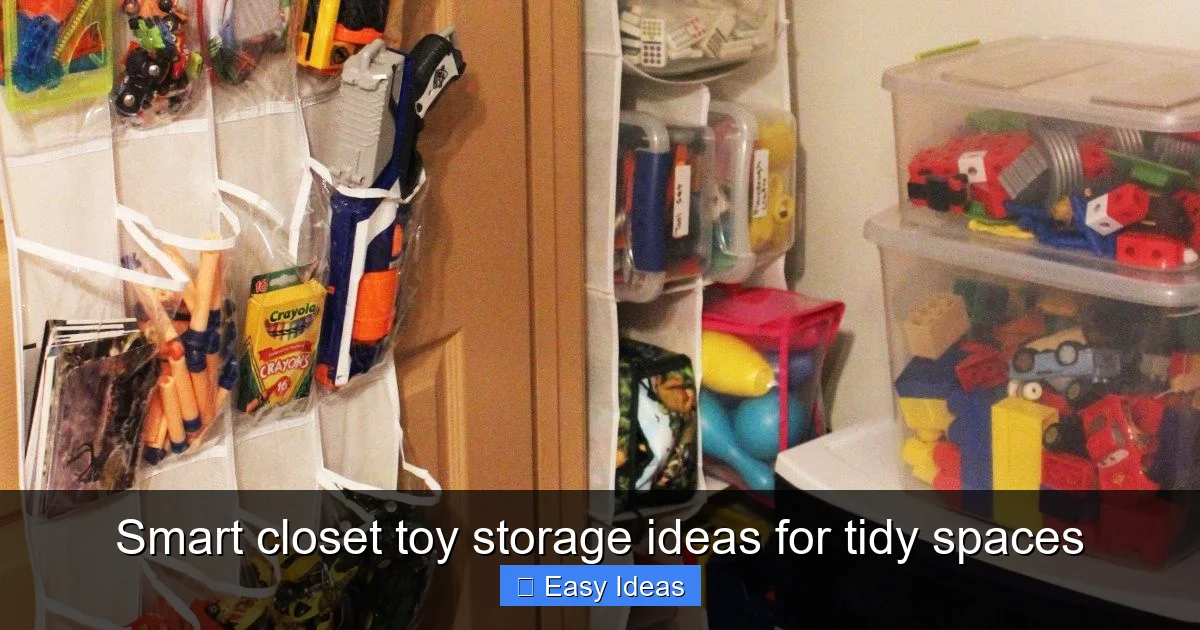
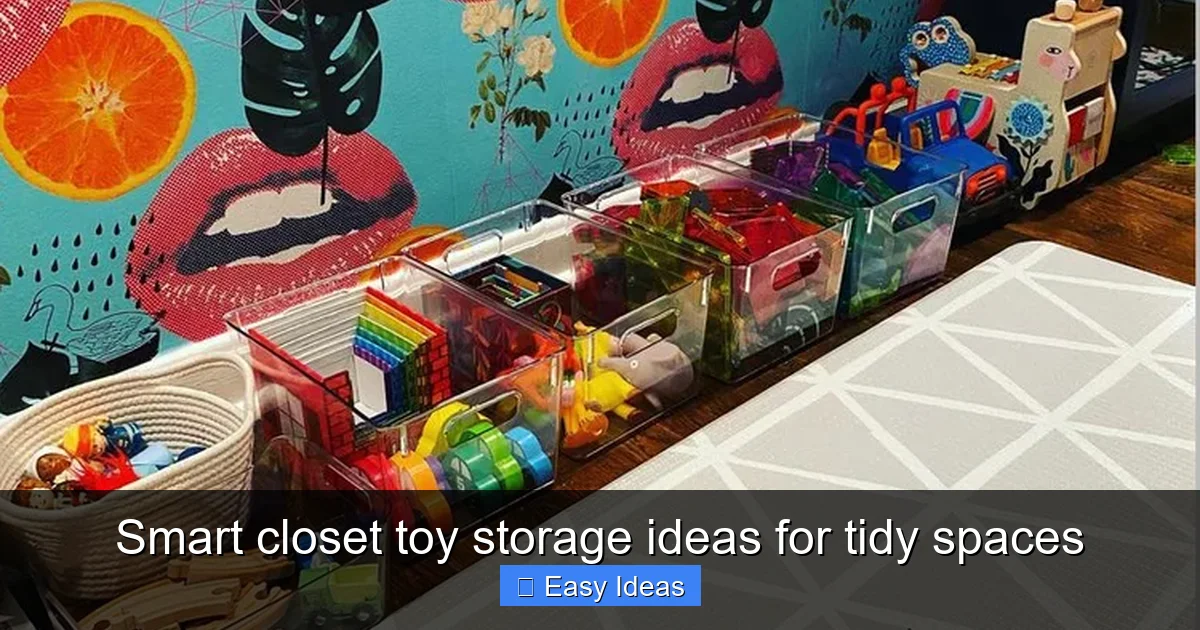
One of the easiest and most effective closet toy storage ideas is using clear plastic bins. These allow kids to see what’s inside without opening every container, which saves time and reduces frustration. Look for bins with secure lids to keep dust out and prevent spills.
Clear bins work great for categorizing toys. Use one for LEGO, another for dolls, and a third for cars. You can even color-code the lids or add labels for extra clarity. Stackable bins are ideal for small spaces, letting you build upward and make the most of vertical room.
Choose the Right Size
Avoid oversized bins that encourage overstuffing. Instead, pick bins that fit your closet shelves or under-bed spaces. Smaller bins are easier for little hands to carry and manage. For example, a 12” x 16” bin is perfect for action figures or craft supplies.
Add Labels for Clarity
Even with clear bins, labels help. Use picture labels for younger kids who can’t read yet, or word labels for older children. You can make your own with sticker paper and a printer, or buy pre-made labels online. Labels turn storage into a game and help kids take ownership of cleanup.
Maximize Vertical Space with Shelving
Visual guide about Smart closet toy storage ideas for tidy spaces
Image source: homezille.com
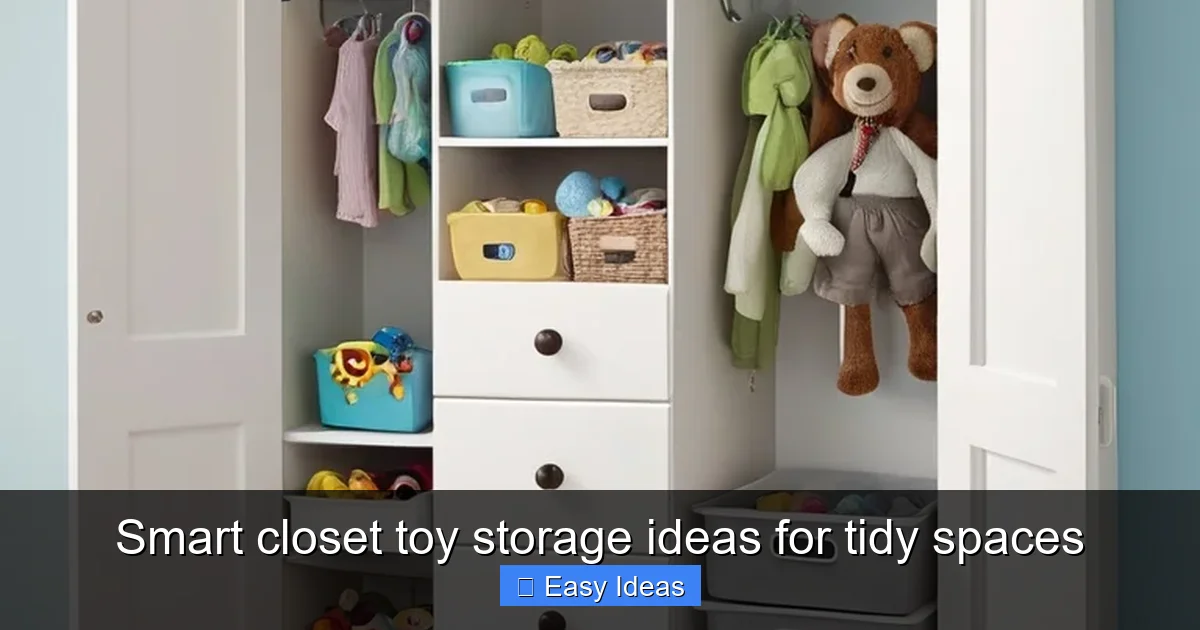
When floor space is limited, think vertically. Installing shelves in your closet is one of the smartest closet toy storage ideas. Adjustable shelves let you customize the layout as your child’s toy collection changes. Lower shelves can hold heavier items like books or board games, while higher ones store lighter bins.
Floating shelves are a great option if you don’t want to drill into the wall. They’re easy to install and come in fun colors and shapes. For a DIY touch, use wooden crates or milk crates as modular shelves. They’re sturdy, affordable, and can be painted to match your decor.
Use Shelf Dividers
Prevent bins from sliding around by using shelf dividers. These simple plastic or wooden strips keep containers in place and make the closet look neat. You can also use them to separate different types of toys on the same shelf.
Install Hooks for Hanging Storage
Don’t forget the back of the closet door or the sides of shelves. Install small hooks to hang bags, hats, or even toy organizers. This keeps frequently used items within reach and frees up shelf space for other toys.
Hanging Organizers: Over-the-Door and Rod Solutions
Hanging organizers are a game-changer for small spaces. Over-the-door shoe organizers with clear pockets are perfect for storing small toys like LEGO, figurines, or crayons. Hang one on the inside of the closet door to keep everything visible and accessible.
For closets with a rod, consider a hanging shelf unit. These fabric or mesh organizers hang from the rod and have multiple compartments for toys, books, or clothes. They’re lightweight, easy to install, and can be folded away when not in use.
Choose Durable Materials
Look for organizers made from sturdy fabric or reinforced plastic. Avoid flimsy materials that tear easily. Reinforced stitching and strong hooks ensure the organizer lasts through daily use.
Rotate Pockets Seasonally
Use different pockets for seasonal toys. For example, keep beach toys in one pocket during summer and holiday crafts in another during winter. This keeps the closet organized year-round and makes it easy to switch things up.
Baskets and Bins: Style Meets Function
Baskets and bins aren’t just practical—they’re stylish too. Woven seagrass or cotton bins add a natural, cozy feel to any closet. They’re great for storing plush toys, blankets, or dress-up clothes. Plus, they’re soft and safe for little ones.
Fabric bins with handles are easy for kids to carry and come in fun patterns and colors. Choose neutral tones for a calming look or bright hues to match your child’s personality. Label each bin with a picture or word so kids know where everything goes.
Try Tiered Storage
Use a tiered shelf unit or stackable bins to create levels. This makes it easy for kids to reach their favorite toys without climbing or pulling everything down. A three-tiered organizer can hold books on top, medium toys in the middle, and small items at the bottom.
Use Under-Shelf Baskets
Maximize unused space with under-shelf baskets. These clip onto the bottom of a shelf and provide extra storage for small items. They’re perfect for storing art supplies, puzzles, or sensory toys.
Creative and Fun Storage Hacks
Storage doesn’t have to be boring. Add a playful touch with creative closet toy storage ideas that make cleanup fun. For example, use a toy vacuum cleaner as a storage bin for small cars or action figures. Or turn an old suitcase into a treasure chest for dress-up clothes.
Magnetic strips mounted inside the closet door can hold metal toys like cars or tools. This keeps them off the floor and within sight. You can also use a pegboard on the wall or back of the door to hang baskets, hooks, and shelves in any configuration.
Make It a Game
Turn cleanup into a game with a timer or reward system. Challenge your child to put away five toys before the timer goes off, or give a small reward for a fully tidy closet. This builds habits and makes storage feel less like a chore.
Involve Your Kids in the Process
Let your child help choose bins, pick labels, or decorate baskets. When kids are involved in the design, they’re more likely to use the system. Plus, it’s a great way to teach responsibility and organization skills.
Maintain the System Over Time
Even the best storage system needs maintenance. Set aside time each week to tidy the closet and check for broken bins or missing labels. Rotate toys every few weeks to keep things fresh and prevent boredom.
Teach your child the “one in, one out” rule: for every new toy that comes in, one must go out. This helps control clutter and encourages mindful consumption. Regular check-ins keep the system working and prevent the closet from becoming overwhelming again.
Conclusion
Smart closet toy storage ideas don’t require a major renovation or a big budget. With a few simple changes—like clear bins, labeled baskets, and vertical shelving—you can transform a chaotic closet into a tidy, functional space. The key is to create a system that’s easy for kids to use and maintain.
Remember, organization is a journey, not a one-time fix. Start small, involve your child, and celebrate progress. Over time, these habits will become second nature, and your home will feel calmer and more enjoyable. With the right storage solutions, you can keep toys organized, protect your space, and make cleanup a positive experience for the whole family.
🎥 Related Video: KIDS ROOMS ORGANIZATION | TOY STORAGE IDEAS | CLOSET ORGANIZATION | VLOG | RACHEL LEE AT HOME
📺 Rachel Lee at home
Hey everyone! I’m Rachel and on my channel I like to focus on real life. You will find decor videos, grocery hauls, day in the life …
Frequently Asked Questions
What are the best closet toy storage ideas for small spaces?
Use vertical storage like shelves, hanging organizers, and under-shelf baskets. Clear bins and labeled containers help maximize space and keep things visible.
How do I get my child to put toys away?
Make storage easy and fun. Use labeled bins, involve them in choosing storage, and create a simple routine. Praise their efforts to build positive habits.
Are plastic bins better than fabric bins?
Plastic bins are more durable and easy to clean, while fabric bins are softer and more stylish. Choose based on your child’s needs and your closet setup.
Can I store toys in a shared closet?
Yes, use separate bins or shelves for each child. Label everything clearly and teach them to respect each other’s space. This reduces arguments and keeps things fair.
What should I do with broken or unused toys?
Sort them into donate, recycle, or trash piles. Involve your child in the decision to teach them about letting go and responsible disposal.
How can I protect toys from dust in storage?
Use bins with tight-fitting lids or store toys in sealed containers. Keep the closet door closed when possible and clean shelves regularly to reduce dust buildup.