

Bold Borders: 10 Unique Home Decor Ideas with Contrast Trim
Bold details breathe life into any space, and contrast trim offers a striking way to elevate your home decor. By highlighting architectural features with a pop of color or a deep, dramatic hue, you can instantly add depth and character to your rooms.
Imagine crisp white walls outlined with sleek black trim or soft pastels framed by rich, earthy tones. These combinations not only define spaces but also create visual interest that draws the eye.
Contrast trim works beautifully on doors, windows, baseboards, and even ceilings, offering endless possibilities to personalize your home. Colors and textures play a crucial role in shaping mood, and a carefully chosen trim color can turn a simple room into a stylish haven.
Ready to explore inspiring ways to refresh your interiors? Dive into these creative ideas that will make every edge of your home stand out.
10 Home Decor Ideas with Contrast Trim
Adding contrast trim to a home interior brings a stylish and timeless appeal.
This design technique highlights architectural details, making them stand out beautifully.
Whether applied to walls, ceilings, furniture, or doors, contrast trim transforms a space with minimal effort.
Here are ten creative ways to use contrast trim in home decor.
1. Highlight Doors and Windows

Painting door and window frames in a bold color against neutral walls creates a striking visual.
A deep black or navy trim on white walls adds elegance, while a pastel trim brings a softer charm.
This technique makes standard doors and windows feel like statement pieces.
2. Frame the Ceiling
A contrasting ceiling trim defines the upper part of a room, drawing the eye upward. A dark trim against a light ceiling gives depth and dimension.
For a cozier effect, a warm wood tone against a white ceiling works beautifully. This approach works especially well in rooms with crown molding.
3. Define Wall Panels
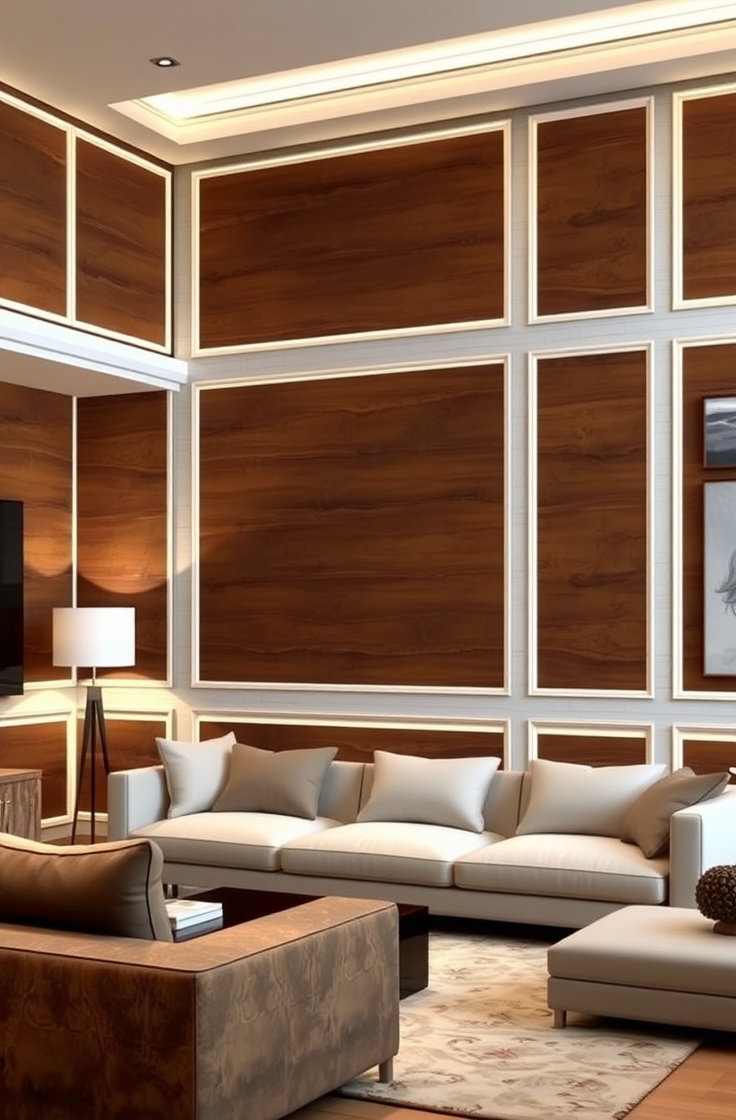
Adding contrast trim around wall panels enhances traditional and modern interiors alike. White panels with black or gray trim create a sophisticated look.
Soft pastels with a deeper tone provide a subtle yet elegant touch. This method works well in living rooms and dining areas.
4. Elevate Kitchen Cabinets
Contrast trim on kitchen cabinets brings depth and character. A white cabinet with a dark green or navy trim makes a bold statement.
Light trim on darker cabinets offers a fresh, contemporary look. This small change adds a custom feel to the kitchen.
5. Accentuate Built-In Shelving

Built-in bookshelves or display cabinets stand out with contrast trim. A dark trim around white shelves enhances the overall design.
For a subtle approach, a soft gray or muted blue trim works well. This technique adds a designer touch without overwhelming the space.
6. Emphasize Baseboards and Molding
Painting baseboards and molding in a contrasting shade makes them more noticeable.
A deep brown or charcoal baseboard against a light wall adds definition.
Choosing a softer tone, like taupe or gray, maintains a classic feel while adding interest. This technique works in any room.
7. Make a Statement with Staircases

Staircases become a focal point with contrast trim. A dark railing and stair treads against white risers create a striking effect.
For a modern look, using two complementary colors on different parts of the staircase works well. This approach adds elegance and character to an often-overlooked area.
8. Add Depth to Wainscoting
Wainscoting with contrast trim enhances the charm of a space. A white wainscot with dark trim creates a classic appeal.
Choosing a mid-tone trim with a lighter wainscot provides a softer contrast. This works well in hallways, dining rooms, and bathrooms.
9. Frame Mirrors and Artwork

A contrast trim around mirrors or artwork gives them a polished look. A bold trim color around a neutral mirror frame adds depth.
Using the same trim color as the wall accents ties the decor together seamlessly. This small detail makes a big difference in a room’s overall aesthetic.
10. Enhance Exterior Curb Appeal
Applying contrast trim to the exterior of a home boosts its curb appeal. Dark window frames against a light facade create a sharp, modern look.
Soft-colored trim around the roofline or doors gives a subtle, elegant touch. This approach works for traditional and contemporary home styles alike.
FAQs
What is contrast trim in home decor?
Contrast trim refers to using a different color or material for trim elements like baseboards, doors, and molding to create visual interest.
Which colors work best for contrast trim?
Black, navy, charcoal, and dark green provide strong contrast, while soft grays, beiges, and muted pastels offer a subtle effect.
Can contrast trim work in small rooms?
Yes, using a darker trim against light walls adds depth, making a small room appear larger.
Is contrast trim only for traditional homes?
No, contrast trim suits modern, classic, and contemporary interiors by enhancing architectural details.
Does contrast trim require professional help?
While professional painters ensure a flawless finish, many DIY enthusiasts can achieve great results with careful preparation and quality paint.
Conclusion
Contrast trim transforms any space with minimal effort, highlighting architectural features and adding a stylish edge.
Whether applied to doors, ceilings, baseboards, or staircases, this technique enhances a home’s overall look.
Choosing the right colors and placements ensures a timeless and sophisticated effect. Simple changes like these make a lasting impact on interior and exterior design.


