How to Organize Folded Clothes in Closet: Ultimate Space-Saving Tips
Are you tired of digging through piles of clothes every time you open your closet? Imagine opening your closet and instantly finding exactly what you need without the mess.
Organizing folded clothes might seem simple, but doing it the right way can save you time, reduce stress, and even make your space look bigger. You’ll discover easy, practical tips to transform your closet into a neat and tidy haven.
Ready to make your mornings smoother and your closet more inviting? Let’s dive in and unlock the secrets to organizing your folded clothes like a pro.
:max_bytes(150000):strip_icc()/sweatershelf_afreshspace-99dccd3b441e4cc0b4237ba6067b0710.jpg)
Credit: www.thespruce.com
Benefits Of Organized Folded Clothes
Organizing folded clothes in your closet brings many benefits. It makes your daily routine easier and saves time. Clothes stay neat and last longer. An organized closet looks clean and inviting. It helps you find clothes quickly without stress.
Improves Closet Space
Folded clothes arranged well use space efficiently. You fit more items in less room. This avoids clutter and mess. A tidy closet feels bigger and more open.
Saves Time In Daily Routine
Knowing where each item is speeds up dressing. No more digging through piles of clothes. You spend less time searching and more time going out.
Keeps Clothes In Better Condition
Proper folding prevents wrinkles and damage. Clothes keep their shape and quality longer. They stay fresh and ready to wear anytime.
Reduces Stress And Frustration
A neat closet creates a calm feeling. It stops the frustration of missing clothes. You start your day with a clear mind and positive mood.
Makes Outfit Planning Easier
You see all clothes at once. Choosing matching pieces becomes simple and fast. It helps create stylish outfits every day.
Choosing The Right Storage Solutions
Choosing the right storage solutions makes organizing folded clothes easier. Good storage keeps clothes neat and easy to find. It also saves space and protects your clothes from wrinkles and damage.
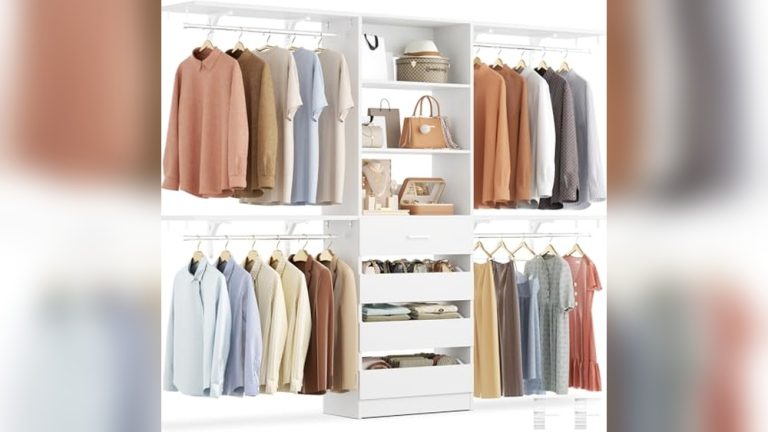
Select storage based on your closet size and the types of clothes you have. Some options fit small closets well, while others work best for large spaces. The right tools help keep everything in order.
Shelves And Cubes
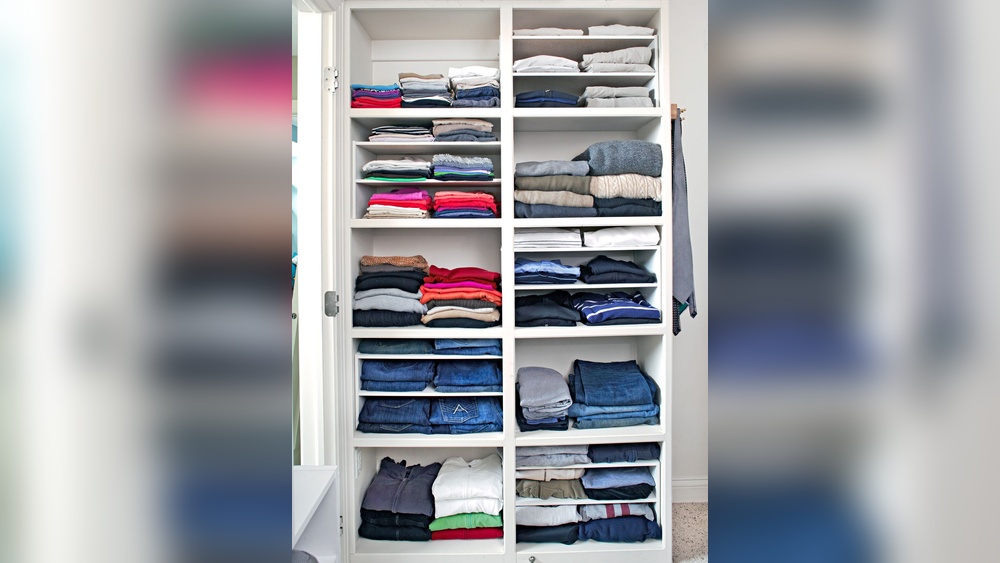
Shelves and cubes offer open storage for folded clothes. They keep clothes visible and easy to grab. Cubes fit small items like t-shirts or sweaters perfectly.
Adjustable shelves let you change space sizes. This way, you can store different clothing heights. Use shelves for clothes you use often for quick access.
Drawer Dividers
Drawer dividers separate clothes inside drawers. They stop piles from mixing and falling over. Dividers work well for smaller items like socks and underwear.
Choose adjustable dividers to fit different drawer sizes. They keep your clothes tidy and easy to sort. Dividers save time when choosing clothes daily.
Storage Bins And Boxes
Storage bins and boxes protect clothes from dust and dirt. Use clear bins to see what is inside without opening them. Label boxes for easy identification.
Bins work well for seasonal clothes or items you use less often. Stackable boxes save space and keep your closet organized. Pick bins with lids to keep clothes fresh.
Folding Techniques For Space Saving
Folding clothes the right way saves space and keeps your closet tidy. Proper folding helps you see all your clothes at once. It also stops wrinkles and makes choosing outfits faster. Try these folding techniques to organize your clothes efficiently.
Marie Kondo Method
The Marie Kondo method folds clothes into small, neat rectangles. Fold each item so it stands upright. This way, you can store clothes vertically in drawers or shelves. It saves space and lets you spot everything quickly. Clothes stay wrinkle-free and organized.
Rolling Clothes
Rolling clothes is great for saving space in drawers and shelves. Roll shirts, pants, and even towels tightly. This method reduces wrinkles and creates compact bundles. It works well for soft fabrics and casual wear. You get more room and easy access.
File Folding
File folding means folding clothes into small squares or rectangles. Place them standing up, like files in a drawer. You can see every piece without digging through piles. This method keeps clothes neat and easy to grab. It works well for t-shirts, pants, and sweaters.
:max_bytes(150000):strip_icc()/acrylicshirtbin_afreshspace-88bde6b338434d5caae7fbe8c5fa08be.jpg)
Credit: www.thespruce.com
Maximizing Vertical Space
Maximizing vertical space in your closet helps keep folded clothes neat and easy to find. Using the height of the closet fully creates more room for all your items. This method stops clutter and makes your closet look tidy.
Stacking Smartly
Stack clothes by size and weight for stability. Put heavier items like jeans at the bottom. Lighter clothes such as t-shirts go on top. Leave space between stacks to avoid squashing. Use shelf dividers to keep piles from falling over. This keeps clothes organized and easy to grab.
Using Hanging Organizers
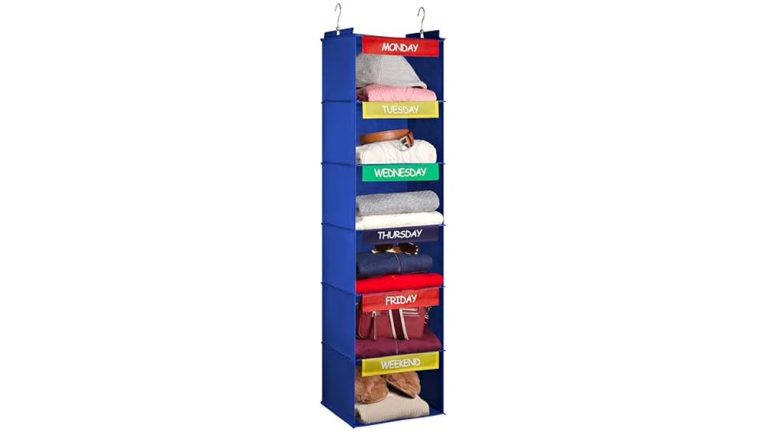
Hanging organizers use closet rods to save shelf space. Choose fabric or plastic organizers with shelves or pockets. Fold clothes to fit inside each section. These keep smaller items like socks or scarves visible. Hanging organizers make good use of tall closet areas. They keep folded clothes off the floor and easy to reach.
Sorting Clothes By Category
Sorting clothes by category helps keep your closet neat and easy to manage. It makes finding your clothes faster and keeps everything tidy. Organize your folded clothes by sorting them into clear groups. This way, your closet stays clean and you save time every day.
Seasonal Sorting
Separate clothes based on the seasons. Keep winter sweaters and scarves together. Store summer shorts and tank tops in another section. Rotate clothes as the seasons change. This keeps your closet space free and focused on what you need now.
Frequency Of Use
Sort clothes by how often you wear them. Put daily wear in easy reach. Place special occasion clothes in less accessible spots. This helps you grab what you need quickly. It also prevents clutter from less-used items.
Type And Fabric
Group clothes by their type and fabric. Fold t-shirts, jeans, and sweaters separately. Keep delicate fabrics like silk and wool in a special area. This protects your clothes and keeps your closet organized. It also makes it easier to care for each fabric type.
Maintaining An Organized Closet
Keeping your closet tidy after organizing folded clothes takes effort. Small habits help maintain order and save time. Consistent care keeps your space neat and inviting. A well-kept closet makes choosing outfits easier every day.
Regular Decluttering
Remove clothes you no longer wear often. Sort items by season or style. Donate or recycle pieces in good condition. Decluttering frees up space for useful items. Schedule decluttering once every few months.
Labeling Storage
Use clear labels on boxes and shelves. Labels help quickly find what you need. Group similar items together for easy access. Choose simple tags or printed labels. Labeling keeps your closet organized and saves time.
Daily Habits
Put clothes back in their place after use. Fold items neatly before storing them. Avoid piling clothes on shelves or floor. Make tidying a quick part of your routine. Small daily actions keep your closet clean and tidy.
Creative Space-saving Hacks
Creative space-saving hacks can make your closet neat and roomy. These ideas help you fit more clothes without mess. Small changes bring big results. Use everyday items or easy projects to organize folded clothes smartly.
Using Tension Rods
Tension rods create extra space inside your closet. Place rods horizontally or vertically. Hang scarves, belts, or folded pants over them. This method keeps clothes visible and easy to reach. It uses empty space between shelves or walls. No tools needed for installation.
Repurposing Household Items
Old boxes, shoe organizers, and baskets work well for folded clothes. Use small boxes to separate socks and underwear. Shoe organizers hold t-shirts or tank tops. Baskets store bulky sweaters or towels. These items save money and reduce clutter. They fit well on shelves or closet floor.
Diy Organizers
Make your own organizers with cardboard or wood. Cut cardboard into small dividers for drawers. Paint or cover with fabric for a nice look. Wooden crates stacked create shelves for folded clothes. DIY projects let you customize size and shape. Personal and practical at the same time.

Credit: www.reddit.com
Frequently Asked Questions
How Can I Fold Clothes To Save Closet Space?
Fold clothes vertically to maximize space and visibility. Use uniform sizes to stack neatly. This method keeps items accessible and reduces clutter.
What Are The Best Storage Solutions For Folded Clothes?
Use clear bins, drawer dividers, or shelf organizers. These tools keep clothes separated, easy to find, and prevent messy piles.
How Often Should I Reorganize Folded Clothes In My Closet?
Reorganize every 1-2 months to maintain order. This helps remove unused items and keeps your closet tidy and functional.
Can I Use Labels To Organize Folded Clothes?
Yes, labeling shelves or bins improves organization. It helps quickly identify clothes and maintain system consistency.
Conclusion
Organizing folded clothes keeps your closet neat and easy to use. Sort items by type and size for quick access. Use bins or shelves to separate different clothes. Regularly tidy your closet to maintain order. A clean closet saves time and reduces stress.
Simple steps make a big difference in your daily routine. Try these tips to enjoy a clutter-free space every day.