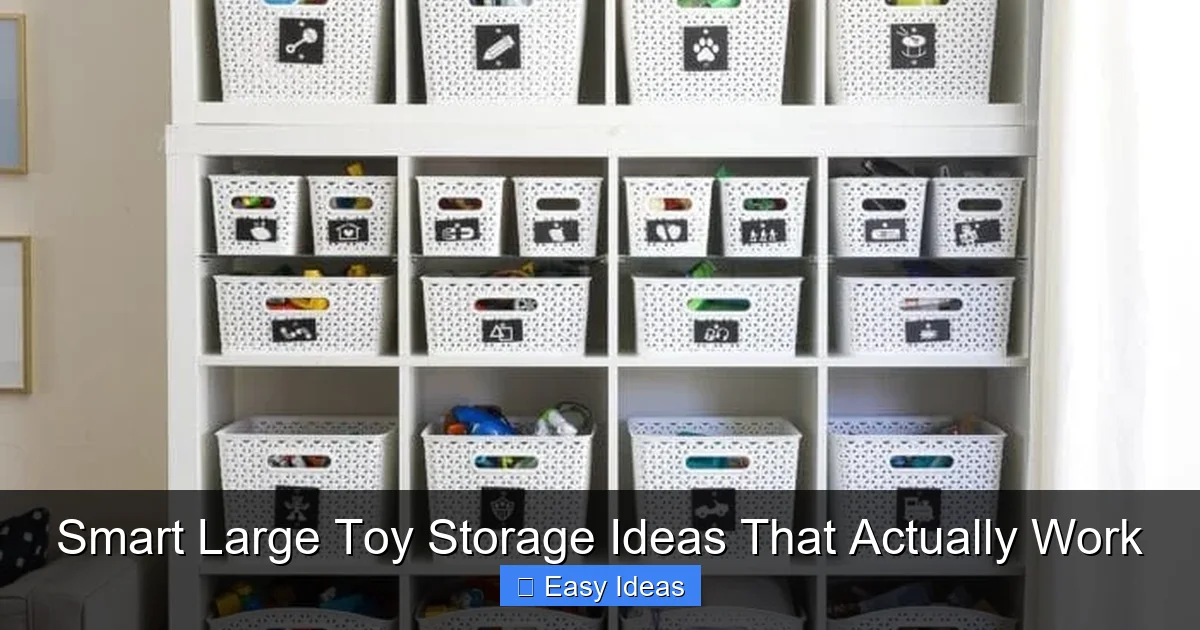
Smart Large Toy Storage Ideas That Actually Work
Tired of tripping over toys every time you walk into the playroom? You’re not alone. With the right large toy storage ideas, you can transform chaotic spaces into organized, functional zones that both kids and parents love. From clever furniture hacks to budget-friendly DIY solutions, these strategies are simple, effective, and designed to last.
Key Takeaways
- Use vertical space wisely: Wall-mounted shelves and hanging organizers free up floor space and keep toys accessible.
- Choose multi-functional furniture: Ottomans, benches, and beds with built-in storage double as seating and toy bins.
- Label everything clearly: Color-coded labels or picture tags help kids identify where toys belong, encouraging cleanup.
- Rotate toys regularly: Storing some toys out of sight reduces clutter and keeps playtime fresh and exciting.
- Opt for durable, easy-to-clean materials: Plastic bins and wipeable fabric make maintenance a breeze.
- Involve your kids in the process: Letting them help choose storage solutions increases buy-in and cooperation.
- Think beyond the toy box: Creative alternatives like under-bed drawers or closet systems offer hidden storage potential.
Quick Answers to Common Questions
What’s the best way to store large ride-on toys?
Use wall-mounted hooks or ceiling pulley systems to hang ride-ons like tricycles or scooters. This keeps them off the floor and out of the way while still being easy to access.
How can I make toy storage fun for my kids?
Let them help choose bins, pick colors, or decorate storage boxes. Use picture labels and turn cleanup into a game with timers or music to make it engaging.
Are fabric bins safe for toy storage?
Yes, as long as they’re made from non-toxic, flame-resistant materials and have secure lids. Look for bins with reinforced seams and avoid small parts that could be choking hazards.
How often should I rotate my child’s toys?
Every 2–4 weeks is ideal. This keeps playtime fresh and prevents overwhelm. Rotate based on seasons, interests, or developmental stages.
Can I use under-bed storage for large toys?
Absolutely! Use flat, rolling bins or drawers designed for under-bed use. They’re perfect for storing stuffed animals, out-of-season toys, or extra bedding.
📑 Table of Contents
- Why Large Toy Storage Matters More Than You Think
- Maximizing Vertical Space: Think Up, Not Just Out
- Multi-Functional Furniture: Double Duty for Small Spaces
- Creative DIY Storage Solutions on a Budget
- Labeling and Categorizing: The Secret to Long-Term Success
- Rotating Toys: Less Clutter, More Engagement
- Maintaining the System: Tips for Long-Term Success
- Conclusion: Storage That Works for Real Life
Why Large Toy Storage Matters More Than You Think
Let’s be honest—kids’ toys have a way of multiplying overnight. One day your living room is tidy, and the next, it looks like a LEGO explosion hit a dollhouse convention. It’s not just about aesthetics; cluttered spaces can actually affect your child’s ability to focus, play creatively, and even feel calm. That’s where smart large toy storage ideas come in.
Good storage isn’t just about hiding the mess. It’s about creating a system that works for your family’s lifestyle. When toys are organized, kids can find what they want quickly, put things back easily, and actually enjoy their playtime. Plus, you’ll spend less time on cleanup and more time actually playing with your little ones. The best part? You don’t need a huge budget or a professional organizer to make it happen.
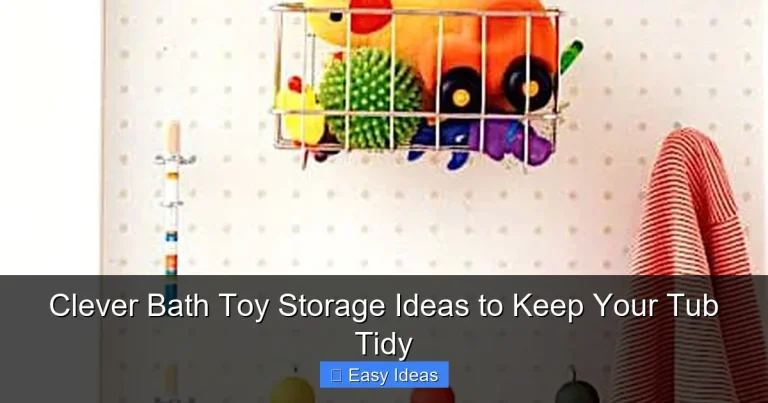
Maximizing Vertical Space: Think Up, Not Just Out

Visual guide about Smart Large Toy Storage Ideas That Actually Work
Image source: i.pinimg.com
One of the biggest mistakes families make is only using floor space for toy storage. But when you’re dealing with large toys—like ride-ons, play kitchens, or big building sets—floor space disappears fast. That’s why going vertical is a game-changer.
Wall-Mounted Shelves and Cubbies
Floating shelves or wall-mounted cubby systems are perfect for storing books, puzzles, and medium-sized toys. Look for sturdy, child-safe options with rounded edges. IKEA’s KALLAX series is a fan favorite because it’s modular, affordable, and comes in various sizes. You can even add fabric bins to each cube for a cleaner look.
Over-the-Door Organizers
Don’t overlook the back of doors! Over-the-door shoe organizers with deep pockets work great for storing small toys, art supplies, or even stuffed animals. For larger items, consider heavy-duty fabric organizers designed specifically for toys. They’re lightweight, easy to install, and can hold surprisingly heavy loads.
Hanging Racks and Hooks
For ride-on toys, scooters, or even dress-up costumes, wall hooks or ceiling-mounted racks can keep these bulky items off the floor. A simple wall-mounted bike rack can hold tricycles or balance bikes, while ceiling pulley systems are ideal for storing large plush toys or play tents when not in use.
Multi-Functional Furniture: Double Duty for Small Spaces

Visual guide about Smart Large Toy Storage Ideas That Actually Work
Image source: sortra.com
If you’re short on room, every piece of furniture should earn its keep. Multi-functional furniture is a lifesaver in playrooms, bedrooms, or living areas where space is at a premium.
Storage Ottomans and Benches
A storage ottoman looks like a stylish footrest but opens up to reveal a cavern of toy-holding power. Choose ones with soft, padded tops for safety and easy cleaning. Bonus: they double as extra seating during playdates. Look for options with removable lids or lift-top designs for quick access.
Beds with Built-In Drawers
Bunk beds or platform beds with under-bed drawers are perfect for storing out-of-season toys, extra bedding, or large plush animals. Some even come with rolling bins that slide out easily—ideal for younger kids who can’t lift heavy boxes. If you’re handy, you can even build your own under-bed storage using flat, shallow bins on casters.
Convertible Coffee Tables
In shared living spaces, a coffee table with hidden storage is a genius solution. Lift-top tables reveal compartments underneath, perfect for board games, coloring books, or remote controls. Some models even have side pockets or lift-up lids that convert into snack trays—talk about multitasking!
Creative DIY Storage Solutions on a Budget

Visual guide about Smart Large Toy Storage Ideas That Actually Work
Image source: sortra.com
You don’t need to spend a fortune to get organized. With a little creativity, everyday items can become brilliant toy storage solutions.
Repurposed Furniture
An old bookshelf can become a toy organizer with a few tweaks. Add fabric bins or paint it in fun colors to match your child’s room. A vintage trunk or suitcase makes a charming storage bin for dress-up clothes or special keepsakes. Even a rolling kitchen cart can be transformed into a mobile art station with baskets for crayons, paper, and glue.
PVC Pipe Organizers
For building blocks, train tracks, or craft supplies, PVC pipes are surprisingly effective. Cut them to size, paint them bright colors, and mount them on a wall or board. Kids love the “rocket launcher” vibe, and it keeps small parts from getting lost. You can also use them horizontally as rolling bins on a shelf.
Cardboard Box Makeovers
Yes, really! Decorate sturdy cardboard boxes with wrapping paper, stickers, or washi tape to create custom toy bins. Label each one with a picture or word so your child knows where things go. It’s eco-friendly, cheap, and totally customizable. Plus, when they wear out, you can easily replace them.
Labeling and Categorizing: The Secret to Long-Term Success
Even the best storage system fails if no one knows how to use it. That’s where labeling and categorizing come in—especially with large toy collections.
Use Pictures for Younger Kids
If your child can’t read yet, use photos or drawings of the toys on the bins. Take a picture of the toy inside, print it out, and tape it to the front of the container. This visual cue makes cleanup intuitive and fun. You can even make it a game: “Can you find the bin with the dinosaur?”
Color-Coding by Category
Assign a color to each type of toy—blue for blocks, red for cars, green for art supplies. Use matching bins, labels, or even tape on the floor to guide placement. This system helps kids (and adults!) quickly sort and store items. Plus, it looks neat and coordinated.
Create a “Toy Menu”
For older kids, a simple chart listing toy categories and their storage spots can be helpful. Include a checklist they can mark off as they clean up. Some families even use a reward system—like stickers or extra screen time—for consistent cleanup.
Rotating Toys: Less Clutter, More Engagement
Here’s a little-known secret: kids don’t need all their toys out at once. In fact, having too many options can lead to overwhelm and disinterest. Toy rotation is a simple but powerful strategy.
How to Rotate Toys Effectively
Store about half of your child’s toys in labeled bins in a closet, basement, or garage. Every few weeks, swap them out with the ones currently in use. This keeps playtime fresh and exciting—like getting new toys all over again! It also reduces visual clutter and makes cleanup faster.
Seasonal and Thematic Rotations
Rotate toys based on seasons or themes. Keep winter gear (snowmen, mittens) in storage during summer, and bring out beach toys when it’s warm. You can also rotate by interest—dinosaurs one month, space the next. This keeps things engaging and helps you notice which toys your child truly loves.
Maintaining the System: Tips for Long-Term Success
The hardest part of any storage system isn’t setting it up—it’s keeping it going. But with a few smart habits, you can make toy organization a natural part of your routine.
Make Cleanup Part of the Routine
Set a timer for 5–10 minutes at the end of playtime and make cleanup a family activity. Play a favorite song or turn it into a race: “Who can put away five toys first?” Consistency is key—do it every day, and it becomes second nature.
Involve Your Kids in the Process
Let your child help choose bins, pick labels, or decorate storage boxes. When they feel ownership, they’re more likely to use the system. Ask for their input: “Where do you think the blocks should go?” or “Which color bin should we use for cars?”
Regular Decluttering Sessions
Every few months, go through toys together and decide what to keep, donate, or recycle. Use the “one in, one out” rule: if a new toy comes in, an old one must go. This prevents accumulation and teaches kids about mindful consumption.
Conclusion: Storage That Works for Real Life
Large toy storage doesn’t have to be complicated, expensive, or boring. With a mix of smart furniture, creative DIY hacks, and consistent routines, you can create a space that’s both functional and fun. The goal isn’t perfection—it’s progress. Start small, involve your kids, and celebrate every step toward a more organized home.
Remember, the best storage system is the one your family will actually use. So don’t stress about getting it perfect right away. Try a few of these large toy storage ideas, see what works, and build from there. Before you know it, cleanup will be quick, playtime will be joyful, and your floors will finally be clear.
🎥 Related Video: How to Organize Toys (so they ACTUALLY stay tidy) 🎉
📺 Clutterbug
Toy clutter is a BIG issue for a lot of families. I’m going to share the BEST toy organizing ideas in today’s video, so you will know …
Frequently Asked Questions
What are the best materials for large toy storage bins?
Plastic bins are durable, easy to clean, and come in many sizes. Fabric bins are lightweight and soft, making them safer for younger kids. Choose BPA-free, non-toxic materials for peace of mind.
How do I organize toys in a small apartment?
Focus on vertical storage, multi-functional furniture, and under-bed solutions. Use wall shelves, over-the-door organizers, and storage ottomans to maximize every inch.
Should I keep all my child’s toys out at once?
No—rotating toys reduces clutter and keeps playtime exciting. Store half the toys and swap them every few weeks to maintain interest and simplify cleanup.
How can I teach my toddler to clean up toys?
Use picture labels, make cleanup a game, and keep bins low and accessible. Praise effort, not perfection, and stay consistent with daily routines.
Are there eco-friendly toy storage options?
Yes! Look for bins made from recycled materials, bamboo, or sustainably sourced wood. Repurpose old furniture or use decorated cardboard boxes for a low-waste solution.
What’s the best way to store art supplies?
Use clear plastic bins with dividers or caddies with multiple compartments. Store crayons, markers, and paper separately, and keep everything in a designated art station for easy access.