Creative toy room storage ideas to organize every plaything
Organizing a toy room doesn’t have to be overwhelming—or boring. With a few clever storage ideas, you can turn cluttered chaos into a tidy, kid-friendly space that encourages play and independence. From colorful bins to hidden compartments, these easy solutions keep every toy in its place.
Key Takeaways
- Use clear bins for visibility: Kids can easily find their favorite toys when containers are see-through.
- Incorporate labels with pictures: Even non-readers can identify where items belong using simple icons.
- Maximize vertical space: Wall shelves and hanging organizers free up floor area for safe play.
- Choose furniture with built-in storage: Ottomans, benches, and beds with drawers hide clutter in plain sight.
- Rotate toys regularly: Fewer toys out at once means less mess and more engagement.
- Make cleanup part of the routine: Fun songs or timers turn tidying into a game, not a chore.
- Personalize storage zones: Assign specific areas for different toy types to simplify organization.
Quick Answers to Common Questions
What’s the best way to store small toys like LEGO or marbles?
Use small, clear containers with secure lids—like divided craft boxes or snap-top jars. Label them clearly and store them on low shelves so kids can access them safely.
How can I organize a toy room in a small space?
Focus on vertical storage like wall shelves, over-the-door organizers, and under-bed drawers. Choose multi-functional furniture and rotate toys to keep only essentials out.
Should I label storage bins even if my child can’t read yet?
Yes! Use picture labels or color-coding so non-readers can still identify where items belong. It builds early literacy skills and encourages independent cleanup.
How often should I rotate toys?
Every 2–4 weeks is ideal. Rotating keeps play exciting and reduces clutter. Store unused toys in labeled bins in a closet or basement.
What’s the easiest way to get kids to clean up?
Make it fun! Use timers, songs, or a reward chart. Keep bins simple and within reach, and always praise effort—not just results.
📑 Table of Contents
- Why Toy Room Storage Matters More Than You Think
- Start with Smart Sorting: Group Toys by Category
- Creative Storage Solutions That Actually Work
- Maximize Vertical Space with Wall-Mounted Options
- Furniture with Hidden Storage Power
- Make Cleanup Fun and Kid-Friendly
- Personalize and Evolve with Your Child
- Final Thoughts: Less Clutter, More Joy
Why Toy Room Storage Matters More Than You Think
Let’s be honest—kids’ toys have a way of multiplying overnight. One day your living room is spotless, and the next, it looks like a toy tornado swept through. A well-organized toy room isn’t just about aesthetics; it’s about creating a space where kids can play safely, find what they need, and even learn responsibility.
Good toy room storage ideas do more than hide clutter—they promote independence. When children know exactly where their LEGO bricks, stuffed animals, or art supplies belong, they’re more likely to clean up without constant reminders. Plus, a tidy space reduces stress for parents and makes family time more enjoyable. Whether you’re working with a dedicated playroom or a corner of the bedroom, smart storage turns chaos into calm.
Start with Smart Sorting: Group Toys by Category
Before you buy a single bin or shelf, take time to sort through all the toys. This step is crucial—it helps you understand what you’re working with and prevents overbuying storage solutions. Gather everything in one spot and sort into categories like building blocks, dolls, vehicles, art supplies, and books.
Visual guide about Creative toy room storage ideas to organize every plaything
Image source: atlaneandhigh.com
Create Zones for Different Activities
Once sorted, assign each category its own zone. For example, keep art supplies near a table or easel, books on low shelves within reach, and active toys like balls or ride-ons near an open floor area. This zoning method not only keeps things organized but also encourages focused play. A child building with blocks won’t get distracted by a pile of action figures across the room.
Use Color-Coding for Easy Identification
Color-coding is a simple yet powerful tool. Assign a color to each toy type—blue for cars, green for animals, red for dress-up clothes—and use matching bins or labels. Kids as young as two can learn to match colors, making cleanup intuitive. Bonus: it looks cheerful and coordinated, too!
Creative Storage Solutions That Actually Work
Now for the fun part: choosing storage that fits your space and style. The best toy room storage ideas are both functional and fun—something kids will actually want to use.
Visual guide about Creative toy room storage ideas to organize every plaything
Image source: placeideal.com
Clear Plastic Bins with Lids
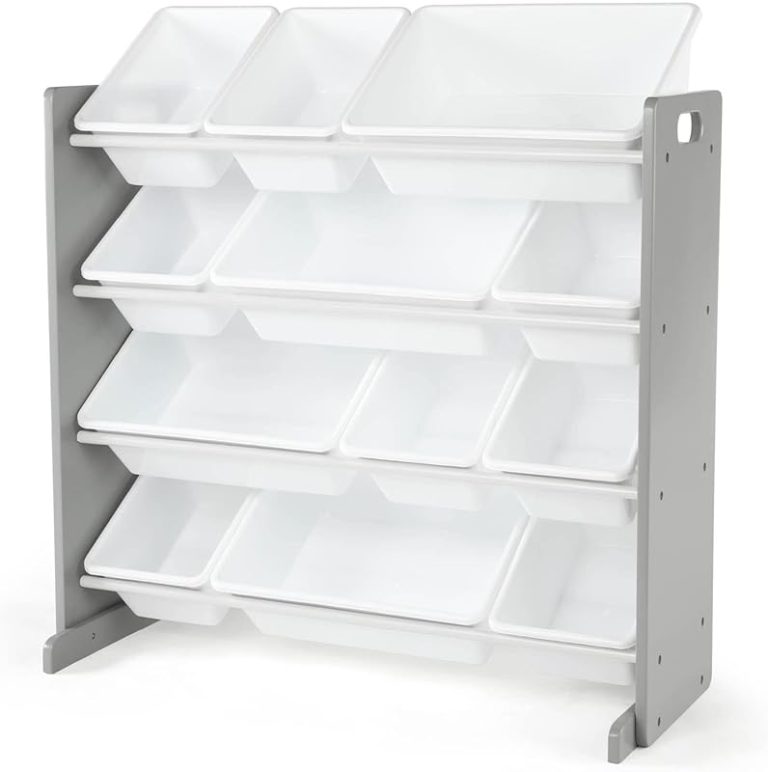
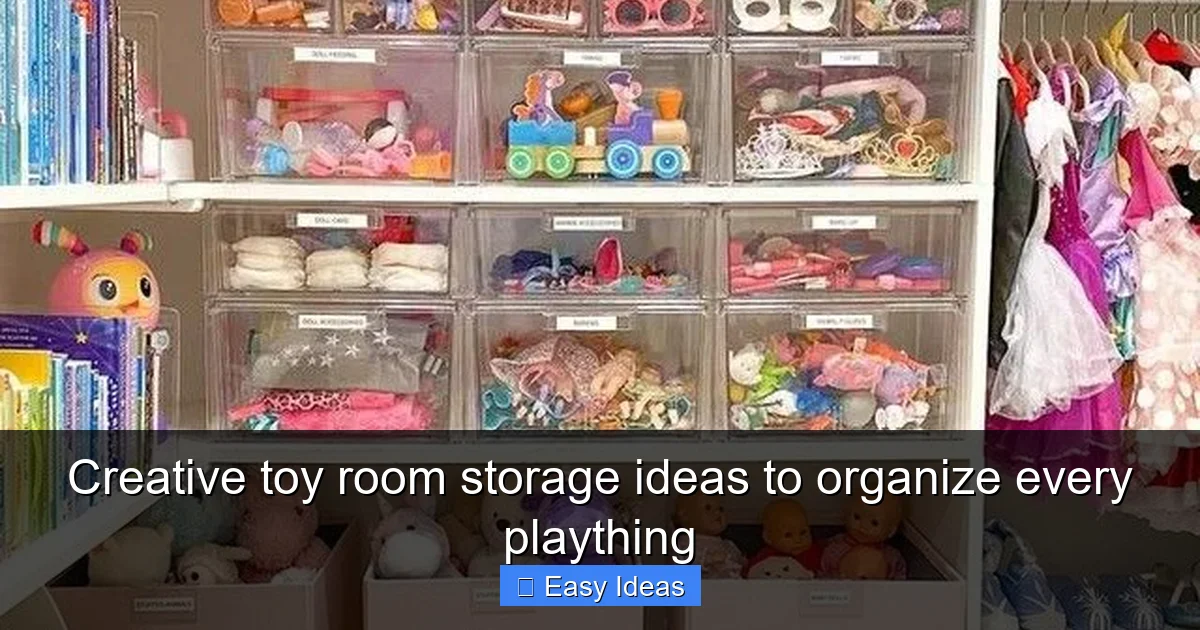
Transparent bins are a game-changer. Unlike opaque containers, clear bins let kids see what’s inside without opening every one. Look for stackable options with secure lids to keep dust out and prevent spills. For smaller items like LEGO or puzzle pieces, use divided compartments or small clear jars.
Fabric Storage Cubes and Baskets
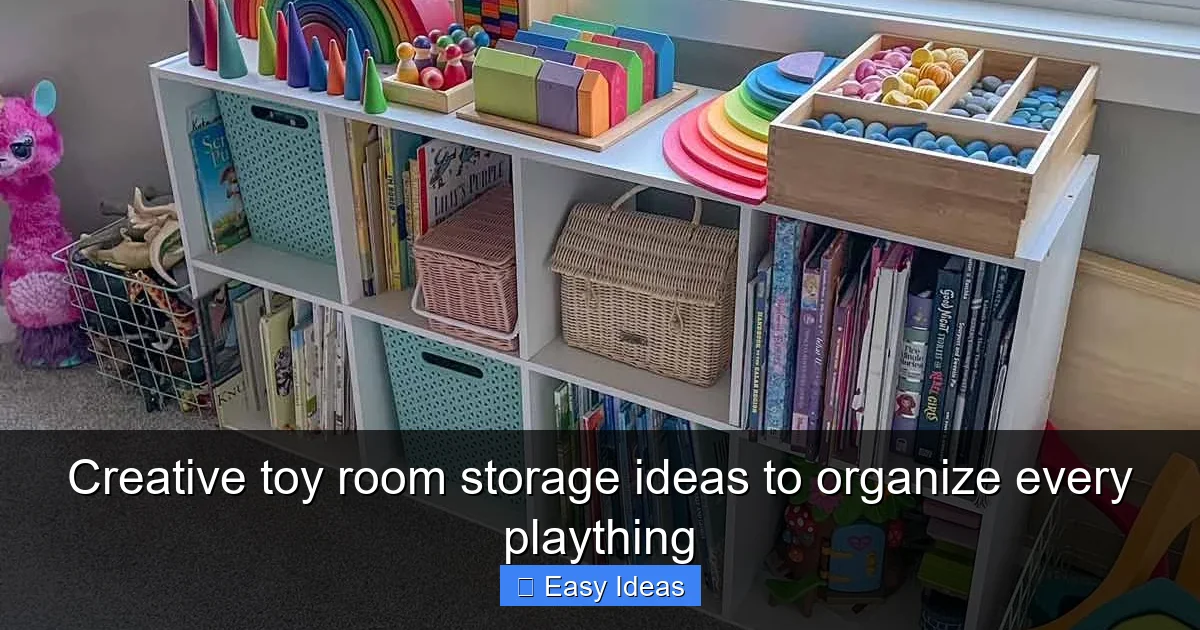
Soft-sided fabric bins are lightweight, safe, and come in endless patterns and colors. They’re perfect for plush toys, dress-up accessories, or craft supplies. Many fit neatly into cube shelving units, giving the room a clean, modular look. Choose washable fabrics for easy maintenance—because let’s face it, spills happen.
Under-Bed Storage Drawers
Don’t overlook the space under the bed! Rolling under-bed drawers are ideal for storing out-of-season toys, extra bedding, or rarely used items. They slide out easily and keep things hidden but accessible. For younger kids, opt for low-profile designs without sharp edges.
Maximize Vertical Space with Wall-Mounted Options
Floor space is precious in a play area, so think vertically. Wall-mounted storage keeps toys off the ground, reduces tripping hazards, and makes the room feel larger.
Visual guide about Creative toy room storage ideas to organize every plaything
Image source: busytoddler.com
Floating Shelves and Pegboards
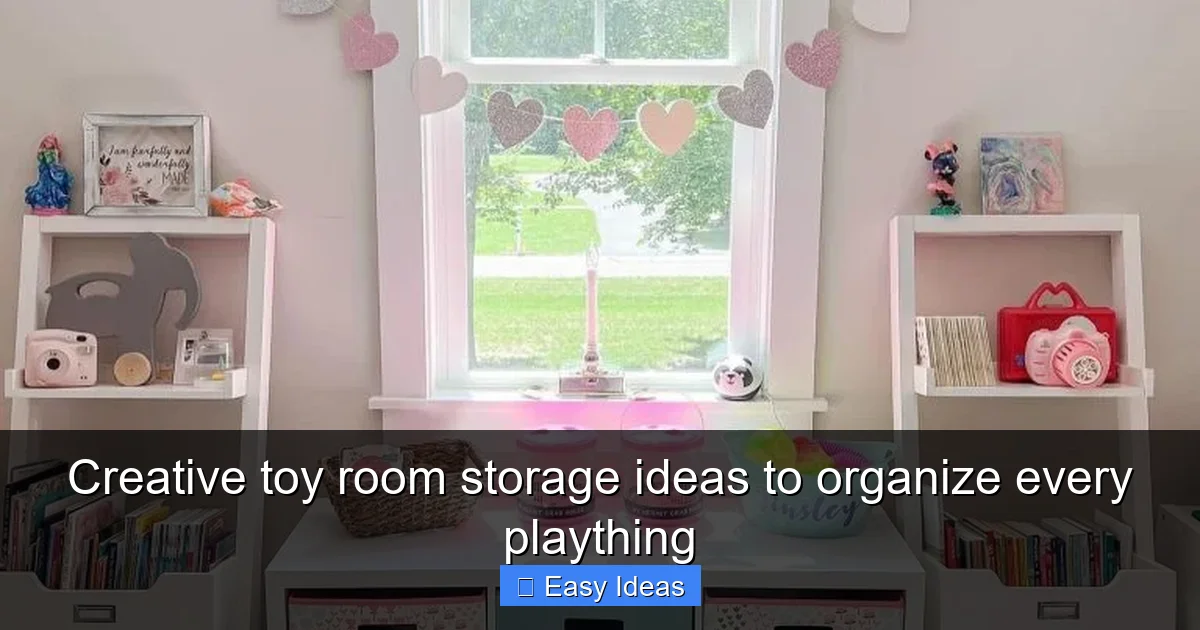
Install floating shelves at kid-height for books, small toys, or display items. Use baskets or bins on the shelves to contain loose pieces. Pegboards are even more versatile—hang hooks, bins, and trays to store everything from art tools to toy cars. Plus, they’re easy to rearrange as needs change.
Over-the-Door Organizers
Hang an over-the-door shoe organizer on the back of the toy room door. The clear pockets are perfect for small toys, crayons, or stickers. It’s a budget-friendly solution that uses otherwise wasted space. Just make sure the door can still close comfortably!
Hanging Toy Nets and Racks
For stuffed animals or lightweight toys, try a hanging mesh net in a corner or above a window. It adds a playful touch while keeping plush friends off the floor. Alternatively, use a wall-mounted rack with hooks for backpacks, hats, or dress-up capes.
Furniture with Hidden Storage Power
The right furniture can do double duty—providing seating or sleeping space while hiding a mountain of toys.
Storage Ottomans and Benches
A storage ottoman is a cozy seat that opens up to reveal a spacious interior. Use it at the foot of a bed or in the center of the play area. Benches with lift-up lids work great along walls or under windows. Both options keep toys out of sight but within reach.
Beds with Built-In Drawers
If your child’s bed has space underneath, consider upgrading to one with built-in drawers. These are perfect for storing seasonal clothes, extra blankets, or bulkier toys like play kitchens or dollhouses. Some beds even have headboards with shelves or cubbies.
Modular Cube Shelving Units
Cube shelves (like the popular 9-cube or 16-cube styles) are incredibly flexible. Fill each cube with a labeled bin based on toy type. You can also mix in books, plants, or decorative items to balance function and style. Anchor tall units to the wall for safety.
Make Cleanup Fun and Kid-Friendly
Even the best storage system fails if kids won’t use it. The secret? Make cleanup part of the play experience.
Add Labels with Pictures
Print or draw simple icons—a car for toy vehicles, a teddy bear for stuffed animals—and tape them to bins or shelves. This helps pre-readers know where things go. You can even involve your child in making the labels for a personal touch.
Use Timers and Songs
Turn cleanup into a race against the clock. Set a timer for five minutes and challenge your child to beat it. Or play a favorite song and see how much can be put away before it ends. Make it a daily ritual, like brushing teeth—routine builds habits.
Rotate Toys to Reduce Overwhelm
You don’t need every toy out at once. Store half in a closet or basement and rotate them every few weeks. This keeps the toy room feeling fresh and manageable. Fewer choices also help kids focus and play more creatively.
Personalize and Evolve with Your Child
As your child grows, their interests and needs change. A storage system that works for a toddler may not suit a school-age kid. Regularly reassess what’s working and what’s not.
Involve Kids in the Process
Let your child help choose bins, pick colors, or decide where things go. When kids have a say, they’re more invested in maintaining the system. It also teaches decision-making and responsibility.
Adapt for Different Ages
For babies and toddlers, prioritize safety—avoid small parts and sharp edges. Use low shelves and soft bins. For older kids, introduce more complex systems like labeled folders for craft projects or toolkits for building sets. The goal is age-appropriate independence.
Final Thoughts: Less Clutter, More Joy
A well-organized toy room isn’t about perfection—it’s about creating a space where imagination can flourish without stepping on LEGO bricks. With these creative toy room storage ideas, you’re not just tidying up; you’re building habits, fostering independence, and making room for more laughter and play. Start small, stay consistent, and remember: even the messiest rooms can become joyful, functional spaces with a little planning and a lot of heart.
🎥 Related Video: Budget friendly playroom transformation! #decor #playroom #playroomideas #playroomorganization
📺 MissLizHeart
Frequently Asked Questions
How do I prevent toy storage from looking messy?
Choose coordinating bins and labels, and keep similar items grouped together. Avoid overstuffing containers—leave a little room so lids close easily and contents stay visible.
Are open shelves safe for young children?
Yes, as long as they’re anchored to the wall and items are stored securely. Use soft bins or baskets to cushion edges and avoid heavy objects on high shelves.
Can I use regular household items for toy storage?
Absolutely! Repurpose shoeboxes, mason jars, or old drawers. Just make sure they’re clean, safe, and easy for kids to open and close.
What’s the best way to store art supplies?
Use a rolling cart with drawers or a caddy with compartments. Keep frequently used items like crayons and paper at kid-height, and store paints or glue in labeled, spill-proof containers.
How do I organize a shared toy room for siblings?
Assign each child a color or labeled section. Use separate bins for personal items and shared storage for group toys. Teach teamwork by making cleanup a joint activity.
Is it okay to throw away unused toys?
Yes—if they’re broken, unsafe, or no longer played with. Donate gently used items to schools, shelters, or friends. Regular decluttering keeps the toy room manageable and meaningful.