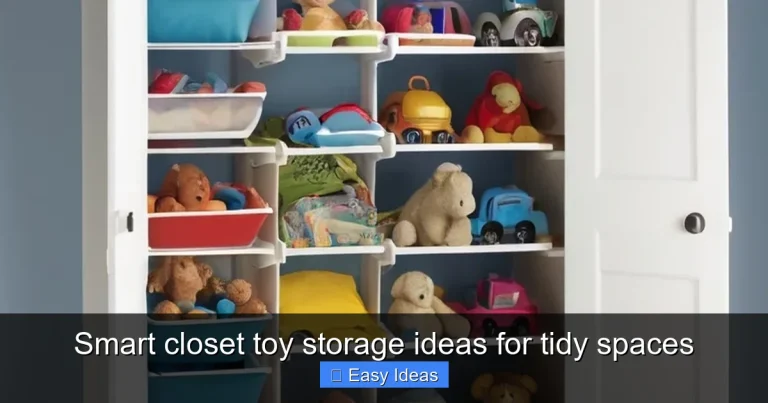
Clever toy storage ideas for small living room spaces
Living in a small space doesn’t mean sacrificing fun or function. With smart toy storage ideas for small living room areas, you can keep toys organized, accessible, and out of sight when needed. From multi-functional furniture to hidden compartments, these easy solutions help maintain a tidy, stylish home without extra square footage.
Living in a small apartment or cozy home often means every inch counts—especially when you have kids. Toys seem to multiply overnight, spilling out of bins and taking over your living room. But here’s the good news: you don’t need a playroom to keep your space tidy and stylish. With a few clever toy storage ideas for small living room spaces, you can reclaim your floor, reduce stress, and still let your kids play freely.
The key is thinking smart, not big. It’s not about having more room—it’s about using the space you have more efficiently. Whether you’re dealing with building blocks, stuffed animals, or art supplies, the right storage solutions can transform your living area from chaotic to calm. And the best part? Many of these ideas are budget-friendly, easy to implement, and blend seamlessly into your home’s decor.
In this guide, we’ll explore practical, stylish, and kid-friendly ways to store toys in small living rooms. From furniture that does double duty to creative vertical solutions, you’ll find ideas that work for your lifestyle. Let’s turn your living room into a functional, family-friendly space—without sacrificing style.
Key Takeaways
- Understanding toy storage ideas for small living room: Provides essential knowledge
Quick Answers to Common Questions
What’s the best toy storage for a tiny living room?
Multi-functional furniture like storage ottomans or coffee tables with hidden compartments work best. They save space and keep toys out of sight.
How can I make toy storage kid-friendly?
Use low shelves, clear bins, and fun labels. Let kids help choose and organize their storage to encourage participation.
Are wall shelves safe for toy storage?
Yes, as long as they’re securely mounted and at a safe height. Use bins to prevent items from falling and avoid overloading.
How often should I rotate toys?
Every 2–4 weeks is ideal. It keeps playtime fresh and reduces clutter in your living room.
Can I store toys in living room cabinets?
Absolutely! Use drawer dividers or small bins inside cabinets to keep toys organized and hidden behind doors.
📑 Table of Contents
1. Embrace Multi-Functional Furniture
One of the smartest ways to tackle toy storage in a small living room is by choosing furniture that serves more than one purpose. Instead of adding bulky toy chests that eat up precious floor space, opt for pieces that combine seating, surfaces, and storage.
Storage Ottomans and Benches
Storage ottomans are a game-changer. They look like stylish footrests or extra seating, but lift the top to reveal a spacious compartment perfect for plush toys, board games, or craft supplies. Choose ones with removable lids or hinged tops for easy access. For entryways or beside sofas, a storage bench offers the same benefit while providing a spot to sit and put on shoes.
Coffee Tables with Hidden Compartments
A coffee table with drawers or a lift-top design can hide toys in plain sight. Look for models with shallow drawers for small items like LEGO or crayons, or deeper bins for larger toys. Some even come with built-in toy trays that slide out—ideal for quick cleanup before guests arrive.
Sofa Beds and Sleeper Chairs with Storage
If you have a sleeper sofa or a futon, check if it has under-seat storage. Many modern designs include pull-out drawers or lift mechanisms that reveal hidden space. This is perfect for stashing blankets, pillows, or off-season toys without cluttering your living area.
2. Maximize Vertical Space
When floor space is limited, look up. Vertical storage uses walls and doors to keep toys organized and off the ground. This not only frees up room but also makes cleanup easier for little ones.
Wall-Mounted Shelves and Cubbies
Install floating shelves at kid-height so children can reach their favorite books or small toys. Use baskets or fabric bins on the shelves to corral items and prevent them from looking messy. Cubby systems with labeled compartments work especially well—each bin can hold a specific type of toy, like cars, dolls, or puzzles.

Visual guide about Clever toy storage ideas for small living room spaces
Image source: i.pinimg.com
Over-the-Door Organizers
Don’t overlook your doors! Over-the-door shoe organizers with clear pockets are perfect for small toys, action figures, or art supplies. Hang one on the back of a closet door or even the living room entryway. The clear pockets let kids see what’s inside, making it easier for them to choose and put things back.
Tension Rods and Hanging Baskets
Use tension rods inside cabinets or between walls to hang fabric bins or mesh baskets. This creates instant storage for stuffed animals, balls, or craft kits. You can also hang a curtain rod above a play area and use S-hooks to suspend lightweight toy bags—great for keeping things visible but out of the way.
3. Use Clear and Labeled Bins
Kids are more likely to clean up when they can see what’s inside and know where things go. Clear bins and labeled containers make toy storage simple, fun, and effective.
Transparent Plastic Bins
Clear storage bins let children spot their favorite toys without opening every container. Stackable ones save space, and many come with secure lids to keep dust out. Use different sizes: small bins for tiny parts, medium for action figures, and large for stuffed animals or building sets.

Visual guide about Clever toy storage ideas for small living room spaces
Image source: thehomesihavemade.com
Fabric Bins with Labels
If you prefer a softer look, fabric bins in fun colors or patterns work well—especially in woven baskets or canvas totes. Add picture labels or word tags so even pre-readers know where things belong. For example, a bin labeled with a picture of a car holds toy vehicles, while one with a crayon holds art supplies.
Color-Coded Systems
Assign a color to each type of toy and use matching bins. Red for cars, blue for blocks, green for dolls. This visual system helps kids sort and store toys independently. You can even make it a game: “Can you find all the red toys and put them in the red bin?”
4. Hide Toys in Plain Sight
Sometimes the best storage is the kind no one notices. Hidden storage keeps your living room looking clean and adult-friendly, while still giving kids easy access to their toys.
Under-Furniture Storage
Use low-profile bins or rolling carts that slide under sofas, beds, or TV stands. These are perfect for storing toys that aren’t used daily. Look for flat, rectangular bins with handles for easy pulling. You can even label them so kids know what’s inside.

Visual guide about Clever toy storage ideas for small living room spaces
Image source: i.pinimg.com
Cabinet and Drawer Inserts
Convert a living room cabinet or side table into a toy hub. Use drawer dividers or small bins inside to separate items. A media console with closed cabinets can hide toys behind doors, keeping the room looking sleek. Just make sure the space is safe and accessible for little hands.
Decorative Toy Chests
If you do use a toy chest, choose one that doubles as decor—like a wooden trunk that looks like a coffee table or a woven hamper that matches your rug. Place it in a corner or at the end of a sofa where it blends in rather than stands out.
5. Rotate Toys to Reduce Clutter
You don’t need to store all toys at once. Rotating toys keeps things fresh for kids and reduces the number of items cluttering your living room.
Seasonal or Weekly Rotation
Store half the toys in a closet, under the bed, or in a basement, and rotate them every few weeks. This keeps playtime exciting and prevents overwhelm. For example, bring out outdoor toys in summer and cozy crafts in winter.
“Toy Library” System
Create a simple system where kids “check out” a few toys at a time. Use a basket or shelf as their “library.” When they’re done, they return the toys and choose new ones. This teaches responsibility and keeps the living room tidy.
Donate or Store Outgrown Items
Regularly go through toys and donate or store items your child has outgrown. This frees up space and makes room for new favorites. Keep a “maybe” box for items you’re unsure about—if it’s not missed in a month, it’s safe to let go.
6. Involve Kids in the Process
Storage only works if everyone participates. When kids help organize and clean up, they’re more likely to maintain the system.
Make Cleanup Fun
Turn cleanup into a game with timers, songs, or challenges. “Can you put all the blocks away before the timer beeps?” Use fun labels with stickers or drawings to make bins more appealing.
Low and Accessible Shelving
Place bins and shelves within reach of small children. Avoid high shelves or heavy lids that are hard to open. The easier it is to access, the more likely they’ll use it.
Let Them Choose
Involve kids in picking bins, labels, or storage spots. When they have a say, they feel ownership and are more excited to keep things tidy.
Conclusion
Living in a small space doesn’t mean sacrificing fun or functionality. With these clever toy storage ideas for small living room spaces, you can create a home that’s both organized and inviting. From multi-functional furniture to vertical solutions and hidden compartments, there are countless ways to keep toys out of sight without losing accessibility.
The secret is consistency and creativity. Choose solutions that fit your lifestyle, involve your kids, and make cleanup a breeze. Remember, it’s not about perfection—it’s about progress. A few small changes can make a big difference in how your living room looks and feels.
So go ahead—try a storage ottoman, hang some bins, or start a toy rotation. Your living room will thank you, and your kids will too.
🎥 Related Video: REAL HOME TOUR: Kid-friendly Living Room Design Tips (Plus Toy Storage Ideas) | Julie Khuu
📺 Julie Khuu
REAL HOME TOUR: Kid-friendly Living Room Design (Plus Toy Storage Ideas) | Julie Khuu Thank you to MACH for sponsoring …
Frequently Asked Questions
How do I store toys without a playroom?
Use living room furniture with built-in storage, vertical solutions like shelves, and hidden bins. Rotate toys to keep only a few out at a time.
What’s the easiest way to keep toys organized?
Use clear, labeled bins and involve kids in cleanup. A consistent system with color-coding or picture labels works well.
Are toy storage bins worth it?
Yes—especially clear or labeled ones. They make it easy for kids to find and return toys, reducing mess and frustration.
How can I hide toys in a stylish way?
Choose decorative storage like woven baskets, ottomans, or cabinets that match your decor. Hidden compartments keep things tidy and tasteful.
Should I store all toys in the living room?
Not necessarily. Rotate toys and store extras in closets, under beds, or other rooms to keep the living area clutter-free.
How do I get my kids to clean up toys?
Make it fun with timers, songs, or rewards. Use accessible storage and let them help organize so they feel involved.