Boho Homeware Ideas to Transform Your Space with Style
Boho homeware blends comfort, color, and culture to create a relaxed, expressive living space. With layered textures, natural materials, and global-inspired accents, you can easily infuse your home with bohemian charm—no matter your budget or square footage.
Key Takeaways
- Embrace layered textures: Mix rugs, throws, and cushions in varied fabrics like macramé, cotton, and velvet for depth and coziness.
- Use a warm, earthy color palette: Think terracotta, mustard, olive green, and deep blues to create a grounded, inviting atmosphere.
- Incorporate natural materials: Wood, rattan, jute, and stone bring organic warmth and authenticity to boho spaces.
- Display global-inspired decor: Tapestries, tribal prints, and handmade artifacts add personality and a worldly flair.
- Let plants take center stage: Potted greenery and hanging planters enhance the free-spirited, nature-connected vibe.
- Mix vintage and modern pieces: Combine antique finds with contemporary furniture for a balanced, eclectic look.
- Personalize with meaningful items: Art, photos, and travel souvenirs make your space uniquely yours.
Quick Answers to Common Questions
What makes boho homeware different from other styles?
Boho homeware stands out for its eclectic mix of textures, global influences, and relaxed vibe. Unlike minimalist or modern styles, it embraces clutter-free chaos, personal artifacts, and natural materials.
Can I mix boho with other design styles?
Absolutely! Boho blends well with Scandinavian, industrial, and even traditional styles. The key is balance—use boho accents like rugs, plants, and textiles to soften or add warmth to other aesthetics.
Is boho homeware expensive?
Not at all. Many boho pieces can be found at thrift stores, flea markets, or made DIY. Focus on affordable textiles, secondhand furniture, and houseplants to create the look on a budget.
How do I avoid my boho space looking messy?
Stick to a cohesive color palette and edit regularly. Use storage baskets and shelves to keep items organized. Layer thoughtfully—don’t over-accessorize.
What plants work best in boho interiors?
Low-maintenance plants like pothos, snake plants, fiddle-leaf figs, and succulents thrive in boho spaces. Hang them in macramé holders or place them in woven baskets for added texture.
📑 Table of Contents
What Is Boho Homeware?
Boho homeware is more than just a design trend—it’s a lifestyle. Short for “bohemian,” this style celebrates freedom, creativity, and individuality. It draws inspiration from global cultures, vintage finds, and natural elements to create spaces that feel lived-in, warm, and full of character. Unlike minimalist or ultra-modern styles, boho homeware is intentionally layered, textured, and eclectic.
Think of a sunlit living room with a woven jute rug, a velvet pouf in burnt orange, and a macramé wall hanging above a reclaimed wood coffee table. Add a few potted ferns, a stack of well-loved books, and a colorful Moroccan lantern, and you’ve got the essence of boho. It’s not about perfection—it’s about personality. Whether you live in a city apartment or a countryside cottage, boho homeware lets you express your unique taste without strict rules.
Why Choose Boho Style for Your Home?
So, why are so many people drawn to boho homeware? For starters, it’s incredibly versatile. You don’t need a complete overhaul to embrace the look. A few well-chosen pieces can instantly transform a room. Plus, boho design is inherently cozy. It invites you to slow down, relax, and enjoy your surroundings.
Visual guide about Boho Homeware Ideas to Transform Your Space with Style
Image source: hipandhome.com
Another big appeal? Sustainability. Boho style encourages upcycling, thrifting, and supporting artisan crafts. Instead of buying mass-produced decor, you can fill your home with one-of-a-kind items that have stories behind them. This not only reduces waste but also adds depth and meaning to your space. And let’s be honest—there’s something deeply satisfying about curling up on a floor cushion with a good book, surrounded by plants and soft textures.
The Emotional Impact of Boho Design
Boho homeware isn’t just visually appealing—it’s emotionally comforting. The use of natural materials and warm colors creates a sense of calm and grounding. Studies show that environments with plants, soft lighting, and organic textures can reduce stress and boost mood. In a world that often feels fast-paced and digital, boho spaces offer a peaceful retreat.
Moreover, the eclectic nature of boho design allows for self-expression. Your home becomes a canvas for your passions, travels, and memories. Whether it’s a dreamcatcher from a road trip or a hand-painted vase from a local market, every item tells a story. This personal touch fosters a deeper connection to your living space.
Essential Elements of Boho Homeware
To create a truly boho-inspired home, focus on a few key elements. These foundational pieces will help you build a cohesive yet dynamic look. Remember, boho is about balance—too much of one thing can feel chaotic, while too little might lack personality.
Visual guide about Boho Homeware Ideas to Transform Your Space with Style
Image source: hello-hayley.com
1. Textures and Fabrics
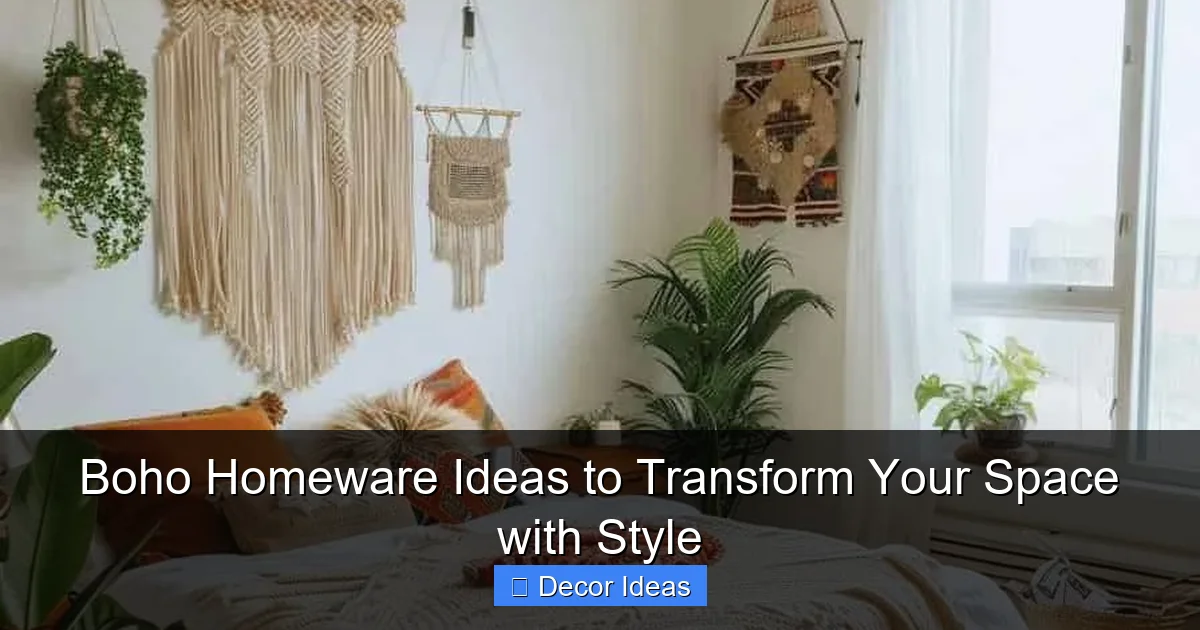
Layering textures is the heartbeat of boho homeware. Start with a base—like a neutral jute or sisal rug—then add a patterned kilim or a sheepskin throw. Mix in cushions in velvet, linen, or embroidered cotton. Don’t be afraid to combine different weaves and finishes. A macramé wall hanging, a fringed pouf, and a chunky knit blanket can coexist beautifully.
Pro tip: Use texture to define spaces in open-plan areas. A large, textured rug under your seating area instantly creates a cozy nook.
2. Color Palette
Boho color schemes are rich and earthy. Think warm terracotta, deep mustard, olive green, burnt orange, and dusty rose. These colors reflect nature and evoke a sense of warmth. You can also incorporate jewel tones like emerald and sapphire for contrast.
While boho embraces color, it’s best to use a dominant neutral base—like beige, cream, or warm gray—and layer in bolder hues through accessories. This keeps the space from feeling overwhelming. For example, a white wall can be brought to life with a colorful tapestry, patterned cushions, and a vibrant rug.
3. Natural Materials
Wood, rattan, wicker, jute, and stone are staples in boho homeware. These materials bring an organic, earthy feel to your space. A rattan chair, a reclaimed wood shelf, or a stone tabletop add authenticity and warmth.
Look for furniture with visible grain, natural imperfections, or handcrafted details. These elements celebrate the beauty of imperfection—a core boho principle. Even small touches, like a jute basket for storing blankets or a wooden tray on your coffee table, make a difference.
4. Global and Vintage Accents
Boho style loves a good story. Incorporate decor from around the world—Moroccan lanterns, Indian block-print cushions, African masks, or Turkish ceramics. These pieces add cultural richness and visual interest.
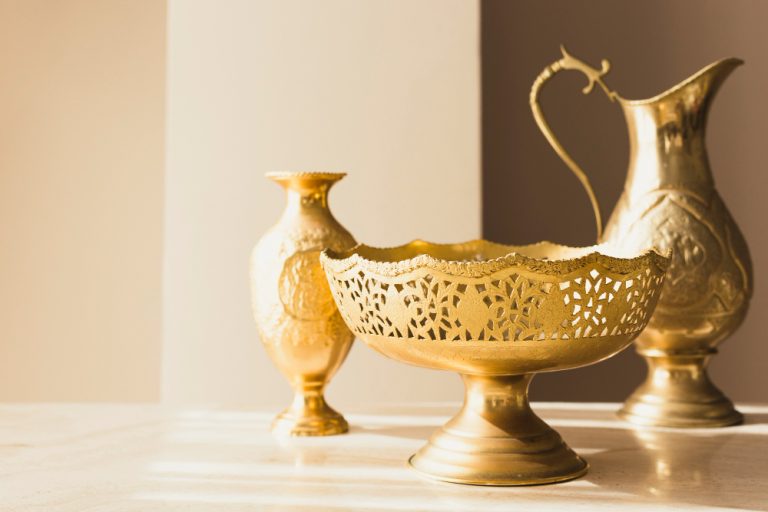
Vintage finds are equally important. Visit flea markets, thrift stores, or online marketplaces for unique items. An old brass mirror, a retro lamp, or a vintage suitcase turned side table can become a focal point. The key is to mix eras and origins thoughtfully, creating a curated yet relaxed vibe.
Room-by-Room Boho Homeware Ideas
Now that you know the basics, let’s explore how to apply boho homeware in different areas of your home. Each room offers unique opportunities to express the style.
Visual guide about Boho Homeware Ideas to Transform Your Space with Style
Image source: artsandclassy.com
Living Room
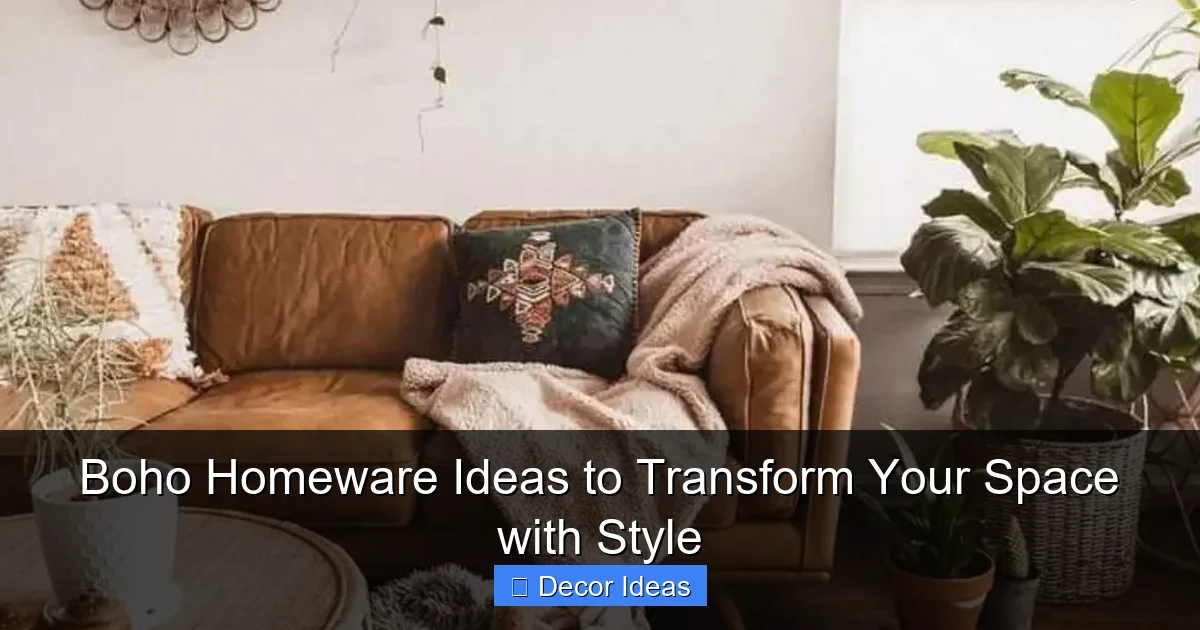
The living room is the heart of boho design. Start with a large, textured rug in a geometric or tribal pattern. Layer it with a smaller, colorful kilim or a sheepskin for extra softness. Arrange floor cushions or a low-slung sofa with plenty of throw pillows in mixed fabrics.
Add a macramé wall hanging or a gallery wall with framed art, photos, and mirrors. Use a reclaimed wood coffee table and accessorize with candles, books, and small plants. A floor lamp with a rattan shade or a beaded pendant light adds ambient lighting. Don’t forget greenery—hang a few pothos or place a fiddle-leaf fig in a woven basket.
Bedroom
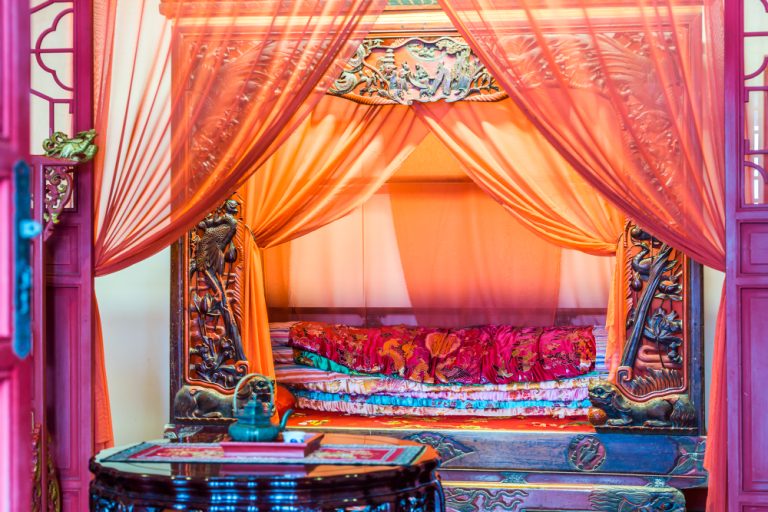
Create a dreamy boho bedroom with a canopy bed or a simple wooden frame draped with sheer fabric. Use layered bedding—think a cotton duvet, a quilt, and a knitted throw. Add floor cushions or a daybed for extra seating.
Hang string lights or a beaded chandelier for soft lighting. Use a vintage trunk at the foot of the bed for storage and style. Incorporate a jute rug, a few potted plants, and a wall tapestry with nature-inspired motifs. Keep clutter minimal but personal—display a few favorite books, crystals, or travel mementos.
Kitchen and Dining
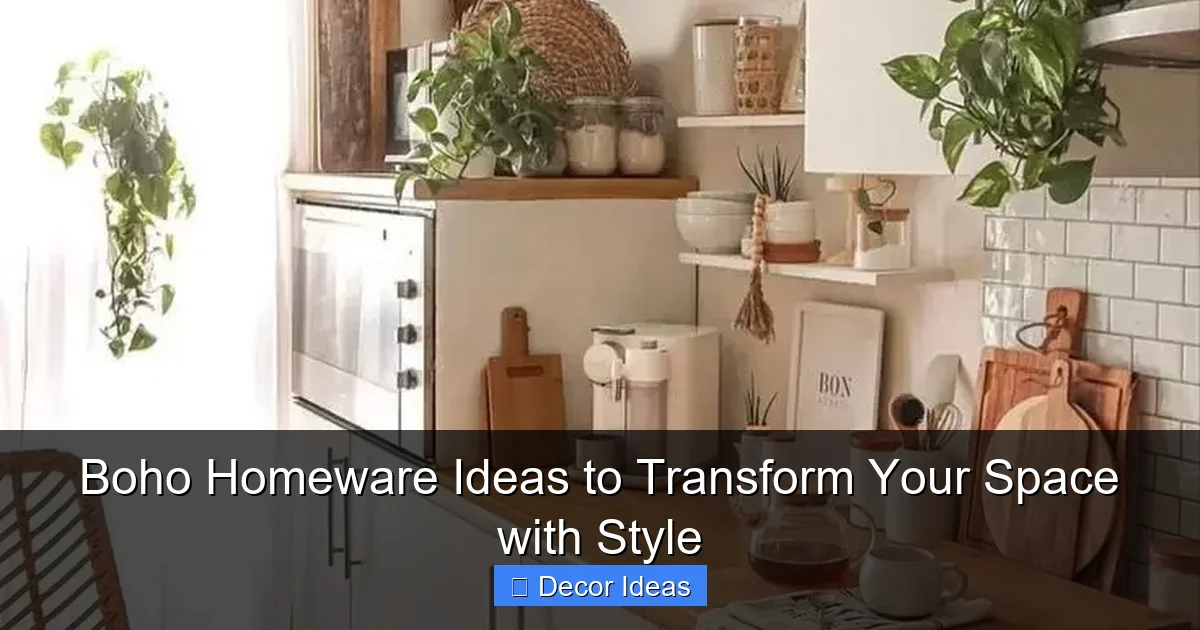
Even the kitchen can embrace boho homeware. Use open shelving to display handmade ceramics, woven baskets, and copper pots. Add a colorful runner or a patterned tablecloth to your dining table. Mix and match chairs—wooden, rattan, or even vintage metal ones—for an eclectic look.
Hang a macramé fruit hanger or use a woven tray for serving. Incorporate herbs in small clay pots on the windowsill. For lighting, try a beaded pendant or a lantern-style fixture. The goal is to make the space feel inviting and lived-in.
Bathroom
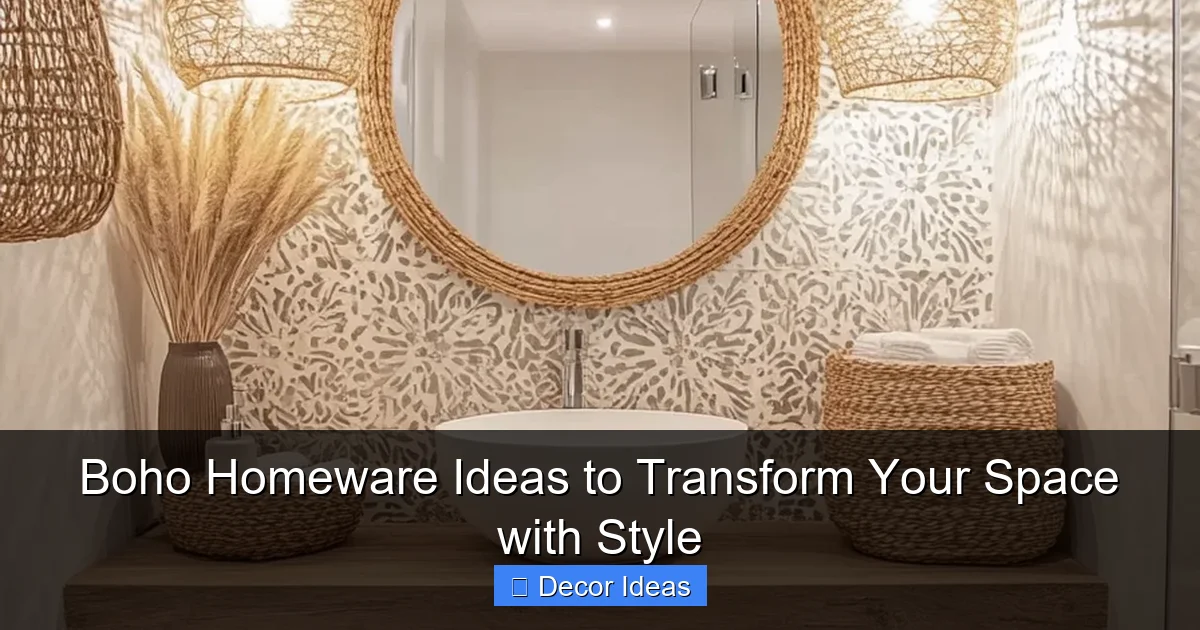
Transform your bathroom into a boho oasis with natural materials and warm tones. Use a jute or bamboo bath mat, and add a wooden stool or shelf for storage. Hang a woven mirror or a tapestry on the wall.
Use glass jars for storing cotton balls and bath salts. Add a few candles and a small potted plant like a succulent or a peace lily. For towels, choose soft, textured cotton in earthy colors. A rattan laundry basket completes the look.
DIY Boho Homeware Projects
One of the best things about boho homeware is how easy it is to DIY. You don’t need to be a craft expert—just creative and willing to experiment. Here are a few simple projects to get you started.
Macramé Wall Hanging
All you need is cotton cord, a wooden dowel, and basic knotting skills. There are countless free tutorials online. Start with a simple design and gradually try more complex patterns. Hang it above your bed or sofa for instant boho charm.
Painted Terra Cotta Pots
Give plain terra cotta pots a boho makeover with acrylic paint. Use geometric patterns, mandalas, or abstract designs in warm colors. Let them dry, then seal with a clear coat. These make beautiful planters for succulents or herbs.
Upcycled Furniture
Find an old wooden chair or table at a thrift store. Sand it down and paint it in a bold color like mustard or teal. Add a fresh coat of varnish for durability. Pair it with a cushion in a patterned fabric for a unique seating option.
DIY Dreamcatcher
Use a embroidery hoop, leather cord, feathers, and beads to create a dreamcatcher. This project is not only fun but also meaningful—many believe dreamcatchers bring good dreams and ward off negativity. Hang it near a window or above your bed.
Tips for Maintaining a Boho Vibe
Boho homeware thrives on authenticity, but that doesn’t mean your space should feel cluttered. Here are some tips to keep your home stylish and serene.
First, edit regularly. Boho is about curated collections, not accumulation. If you haven’t used or loved an item in over a year, consider donating or repurposing it. This keeps your space feeling fresh and intentional.
Second, embrace natural light. Boho spaces feel best when flooded with sunlight. Use sheer curtains or hang mirrors to reflect light. Avoid heavy drapes that block natural illumination.
Third, keep plants healthy. Greenery is a cornerstone of boho design, but wilted plants can detract from the vibe. Choose low-maintenance varieties like snake plants, pothos, or ZZ plants if you’re not a green thumb.
Finally, rotate decor seasonally. Swap out cushions, throws, and artwork to reflect the time of year. In fall, add warm tones and cozy textures. In spring, bring in florals and lighter fabrics. This keeps your space dynamic and engaging.
Conclusion
Boho homeware is more than a design choice—it’s a way of living. It encourages creativity, mindfulness, and connection to nature and culture. By embracing textures, colors, and materials that speak to you, you can create a home that feels truly yours.
Whether you’re starting small with a few cushions and a plant or diving into a full-room makeover, the boho style is flexible and forgiving. It welcomes imperfection, celebrates individuality, and turns everyday spaces into sanctuaries of comfort and style. So go ahead—layer that rug, hang that tapestry, and let your home tell your story.
🎥 Related Video: 47 Boho Living Room Ideas: Get Inspired by These Beautiful Decorations
📺 Elegant Abodes
If you’re looking for boho living room ideas, you’ve come to the right place! In this video, you’ll find 47 stunning boho living room …
Frequently Asked Questions
What are the core colors in boho homeware?
Boho homeware typically features warm, earthy tones like terracotta, mustard, olive green, and deep blues. These colors create a grounded, inviting atmosphere and reflect natural elements.
Can boho style work in small spaces?
Yes! Use mirrors to reflect light, choose multifunctional furniture, and focus on vertical space with hanging plants and wall decor. Light colors and open shelving help small rooms feel larger.
Where can I find authentic boho decor?
Look for handmade items at local markets, artisan fairs, or online platforms like Etsy. Thrift stores and vintage shops are also great for unique, one-of-a-kind pieces.
How do I incorporate boho style in a rental apartment?
Use removable decor like peel-and-stick wallpaper, tapestries, rugs, and plants. Avoid painting walls—instead, hang art or fabric to add color and texture without permanent changes.
Is boho homeware child-friendly?
With some adjustments, yes. Choose durable fabrics, secure hanging decor, and use soft, rounded furniture. Opt for washable cushions and rugs to handle spills and messes.
What’s the difference between boho and hippie style?
While both share free-spirited elements, boho homeware is more refined and design-conscious. It blends global influences with modern comfort, whereas hippie style is more overtly countercultural and symbolic.