How Much to Charge for Organizing a Closet: Ultimate Pricing Guide
Are you wondering how much to charge for organizing a closet? Whether you’re just starting out or looking to set fair prices for your services, figuring this out can be tricky.
You want to value your time and skills, but you also want your clients to feel they’re getting a great deal. You’ll discover simple ways to set the perfect price that matches your expertise and keeps your customers happy. Keep reading to unlock the secrets to pricing your closet organizing services with confidence!

Credit: www.beautifullymoved.com
Factors Influencing Closet Organizing Rates
Setting the right price for organizing a closet depends on many factors. Each project is unique. Organizers must think about several details before quoting a rate.
These details affect how much time and effort the job will take. They also influence costs for supplies and travel. Understanding these factors helps create a fair price for both organizer and client.
Closet Size And Complexity
The size of the closet matters a lot. Bigger closets need more time and work. Small closets are quicker to organize.
Complex closets have many sections, shelves, and drawers. They require careful planning and more skill. Simple closets are easier and faster to arrange.
Location And Travel Costs
Where the closet is located changes the price. Long travel distances add to costs. Organizers may charge extra for fuel and time.
Urban areas might have higher rates due to traffic and parking. Rural locations may need a travel fee. Distance affects the final price.
Materials And Supplies
Organizers often use boxes, bins, and labels. These supplies cost money. High-quality or custom materials raise the price.
Clients may want special items like drawer dividers or shelves. These extras add to the total cost. The more materials needed, the higher the price.
Experience And Expertise Level
Experienced organizers charge more for their skills. They work faster and solve problems easily. Beginners may offer lower rates to build their portfolio.
Experts bring knowledge about space-saving and design. Their work often lasts longer. Clients pay more for trusted experience and quality results.
Common Pricing Models
Choosing the right pricing model helps both organizers and clients. It sets clear expectations and makes payment simple. Most closet organizers use one of three common pricing models. Each fits different project sizes and client needs.
Hourly Rates
Hourly rates charge clients for each hour worked. This model works well for small or unclear projects. Organizers track their time with a timer or notes. Clients pay for the exact time spent. Hourly rates usually range from $30 to $75 per hour. It offers flexibility but can be less predictable for clients.
Flat Fees
Flat fees set a fixed price for the entire project. Organizers estimate time and effort before quoting a price. Clients know the total cost upfront. This model suits projects with clear goals and size. Flat fees reduce surprises and speed up decisions. Prices vary based on closet size and complexity.
Package Deals
Package deals bundle organizing services into set options. Each package includes a list of tasks and a fixed price. Clients choose a package that fits their needs and budget. Packages often include basic, standard, and premium levels. This model simplifies choices and helps clients understand value. It encourages more service use with clear pricing.
Average Price Ranges
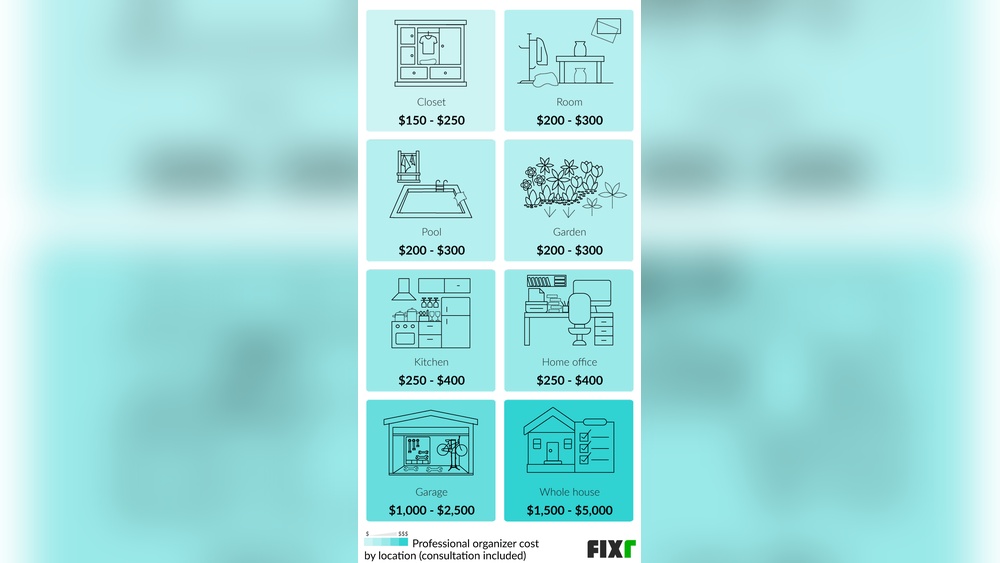
Knowing the average price ranges for closet organizing helps set clear expectations. Prices vary based on closet size and the complexity of the job. This guide breaks down costs for small, medium, and large closets.
Small Closets
Small closets usually cost less to organize. The price often ranges from $100 to $250. These jobs take less time and require fewer materials. Organizers focus on maximizing limited space efficiently.
Medium Closets
Medium closets cost more due to size and detail. Expect prices between $250 and $500. Organizers may add shelves, rods, and storage bins. This size needs more planning to keep things tidy.
Large Closets
Large closets demand the highest fees. Prices can range from $500 to over $1,000. These projects take more time and skill to complete. Organizers often customize layouts to fit many items.

Credit: www.fixr.com
Additional Services And Their Costs
Organizing a closet often involves more than just sorting and arranging items. Many clients want extra services to make their space truly functional and neat. These additional services usually come with extra costs. Understanding these costs helps clients plan their budget better.
Custom Shelving And Storage Solutions
Adding custom shelves or storage units makes the closet more useful. These solutions fit the space perfectly and hold more items. Prices vary depending on materials and size. Basic shelves may cost around $50 to $200. More complex units can go up to $500 or more. Installation fees might be separate. Clear communication about these costs avoids surprises.
Donation And Disposal
Many people want to donate or throw away old items during organizing. This service includes sorting and removing unwanted stuff. Some organizers charge a flat fee or hourly rate for this task. Disposal fees may apply for junk or large items. Donation drop-off might be free or have a small charge. This service saves time and effort for clients.
Follow-up Sessions
Keeping a closet organized can be tough. Follow-up sessions help maintain order over time. Organizers check the space and offer tips or adjustments. These sessions usually cost less than the initial organizing. They can be booked monthly or quarterly. Follow-ups ensure the closet stays neat and easy to use.
How To Calculate Your Rate
Calculating your rate for organizing a closet needs clear steps. Knowing how to price your service helps set fair costs. It also builds trust with your clients. Follow simple methods to find the right amount to charge.
Estimating Time Required
Start by guessing how long the job will take. Look at the size of the closet. Count the number of items inside. Think about how much sorting and cleaning is needed. Add extra time for breaks or unexpected tasks. Write down your total estimated hours.
Factoring In Expenses
Include all costs you will have for the job. This can be supplies like boxes or labels. Think about travel costs to reach the client’s home. Don’t forget about any special tools or cleaners. Add these expenses to your price to cover your costs.
Setting Profit Margins
Add a profit margin to make your work worthwhile. This is the money you earn beyond your costs. Choose a margin that feels fair for your skill and effort. Many organizers add 20 to 30 percent. This ensures you earn enough and stay competitive.
Tips For Communicating Pricing
Clear communication about pricing builds trust with clients. It helps avoid confusion and keeps the process smooth. Here are useful tips to talk about your closet organizing fees confidently.
Providing Clear Quotes
Give your clients a detailed price list. Include costs for labor, materials, and travel. Use simple words and avoid technical terms. Break down the total price into smaller parts. This helps clients see what they pay for each service.
Offer quotes in writing. Send them by email or message. This creates a record and prevents misunderstandings.
Handling Negotiations
Listen carefully to your clients’ budget limits. Show flexibility without lowering your value. Suggest alternatives to fit their budget. For example, fewer hours or simpler materials.
Stay polite and professional. Explain why your price is fair. Focus on the quality and benefits of your work.
Creating Contracts
Always use a written contract. It protects both you and the client. Include the agreed price, payment terms, and project details. State what happens if extra work is needed.
Make the contract easy to read. Use short sentences and clear language. Have the client sign before starting the work.
Tools And Resources For Pricing
Setting the right price for organizing a closet can be tricky. Using the right tools and resources helps make this task easier and more accurate. These tools provide guidance and help you understand what others charge. They also help you avoid underpricing or overpricing your services. Here are some useful tools and resources to consider.
Pricing Calculators
Pricing calculators simplify the process of setting your rates. These online tools ask for details like closet size and complexity. Then, they suggest a price based on this information. Calculators can save time and give you a clear starting point. They also help keep your prices fair and consistent.
Industry Benchmarks
Industry benchmarks show the average prices in your field. They give insight into what other organizers charge for similar work. Checking benchmarks helps you stay competitive without undervaluing your skills. You can find this data in industry reports and trade websites. Use benchmarks as a guide, not a strict rule.
Client Feedback
Client feedback offers real-world insight into your pricing. Ask clients if they find your rates reasonable and fair. Their opinions help you adjust prices to fit the market and client expectations. Positive feedback supports your current pricing, while concerns may signal needed changes. Always listen to your clients to improve your service and pricing.

Credit: www.homeadvisor.com
Frequently Asked Questions
How Is Closet Organizing Pricing Determined?
Closet organizing pricing depends on closet size, complexity, and organizer experience. Additional factors include materials, location, and time needed. Most pros charge hourly or flat rates. Small closets cost less, while larger or custom spaces increase prices.
What Is The Average Hourly Rate For Closet Organizers?
The average hourly rate ranges from $50 to $150. Rates vary by region, organizer expertise, and project difficulty. Some organizers offer package deals or minimum fees. Always clarify pricing before hiring to avoid surprises.
Should I Charge Extra For Custom Storage Solutions?
Yes, custom storage solutions usually require additional fees. They involve design, materials, and installation costs. Clarify these charges upfront with clients. Custom options enhance functionality but increase the total organizing price.
How To Estimate Total Cost For Closet Organizing?
Estimate cost by measuring closet size and complexity. Multiply expected hours by hourly rate. Add material and custom solution expenses. Always include a buffer for unexpected needs to ensure accurate pricing.
Conclusion
Pricing for closet organizing depends on many factors. Think about the size, time, and effort needed. Always check local rates to stay competitive. Clear communication with clients helps set the right price. Fair charges build trust and bring repeat business.
Keep learning about the market to adjust your fees well. Set prices that reflect your skills and the value you provide. This approach helps you succeed and satisfy your clients.