How to Organize a Small Pantry With Deep Shelves: Genius Space Hacks
Is your small pantry with deep shelves a constant source of frustration? You open the door, only to find a jumble of cans and boxes stacked so far back you can’t reach them easily.
It’s easy to lose track of what you have, buy duplicates, or let food expire without noticing. But what if you could turn that cluttered space into a neat, accessible pantry where every item is easy to find? In this post, you’ll discover simple, practical steps to organize your deep shelves so you save time, reduce waste, and make cooking more enjoyable.
Keep reading to transform your pantry into the efficient space you deserve.
Assessing Pantry Space
Organizing a small pantry with deep shelves starts with a clear assessment of the space. Knowing the exact size and your storage needs helps create an efficient layout. This step saves time and avoids clutter. It ensures you use every inch wisely.
Measuring Depth And Height
Begin by measuring the depth of your pantry shelves. Deep shelves can hide items at the back if not organized well. Measure the height between each shelf too. These numbers help choose the right containers and storage solutions. Write down all measurements for easy reference.
Identifying Storage Needs
Think about what you store in your pantry daily. Are there many canned goods, dry foods, or baking supplies? Group similar items to understand space needs. Consider how often you use each item. This helps decide which items go on top shelves and which stay within easy reach.
:max_bytes(150000):strip_icc()/2-69cde3e7237d4b9fbe62ce9ace1e896f.png)
Credit: www.thespruce.com
Choosing Storage Containers
Choosing the right storage containers makes a big difference in organizing a small pantry with deep shelves. Containers help keep items neat and easy to find. They also save space and protect food from moisture and pests.
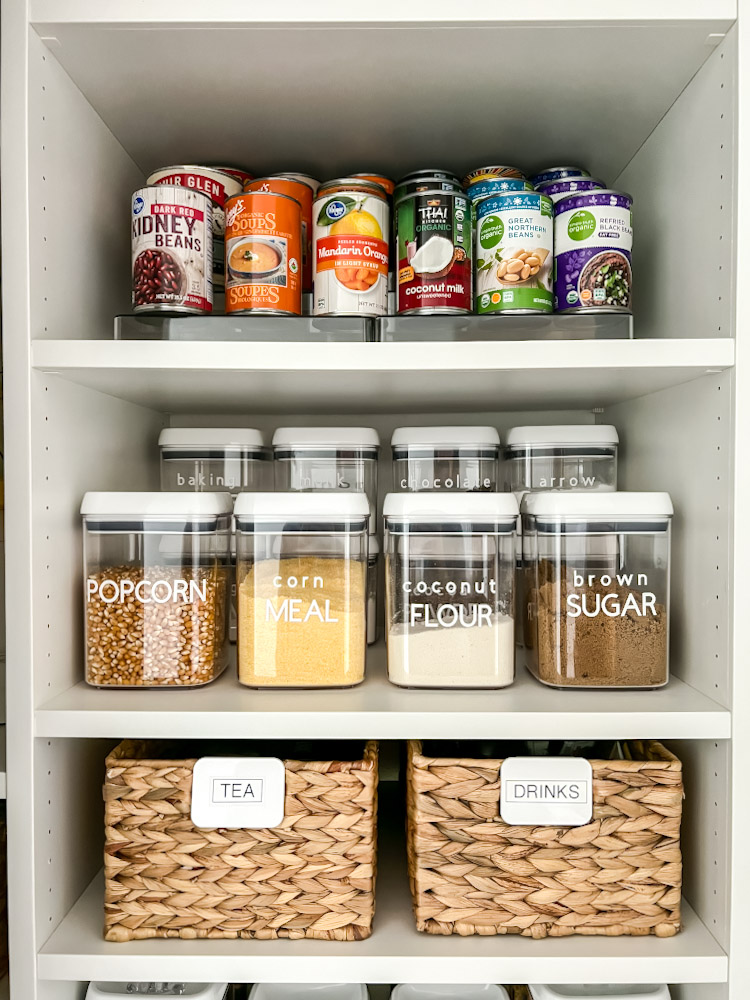
Pick containers that fit your pantry size and the items you store. Good containers make everything look tidy and stay fresh longer. Think about containers that stack well and show their contents clearly.
Clear And Stackable Options
Clear containers let you see what is inside without opening them. This saves time and reduces mess. Stackable containers use vertical space efficiently. They keep deep shelves organized and easy to access.
Look for containers with airtight lids to keep food fresh. Uniform shapes help stacking and prevent tipping. Plastic or glass containers work well depending on your preference.
Labeling For Easy Access
Labels on containers speed up finding items. Simple labels with clear text or pictures help everyone in the house. Label lids and front sides for quick viewing.
Use waterproof labels or tape to avoid smudging. Change labels easily when contents change. Good labeling keeps your pantry neat and cuts down on wasted food.
Maximizing Shelf Space
Maximizing shelf space is key to organizing a small pantry with deep shelves. Deep shelves often leave items hidden in the back. This wastes space and makes it hard to find things quickly. Using smart tools can help you see and reach everything easily.
Organizers keep items neat and accessible. They also help you use every inch of your shelves. The right setup turns clutter into order. It saves time and reduces stress in your kitchen.
Using Tiered Organizers
Tiered organizers create levels for your pantry items. They help store cans, jars, and bottles in rows. Each item stays visible and easy to grab. This prevents stacking that hides products behind others. Tiered shelves also save vertical space on deep shelves.
Incorporating Pull-out Bins
Pull-out bins slide out like drawers. They bring items from the back to the front. This makes reaching food simple and fast. Use them for snacks, baking supplies, or small packages. Bins keep similar items together and reduce mess.
Adding Shelf Risers
Shelf risers add extra height between shelves. They create more room to stack items without crowding. Risers work well for dishes, boxes, and containers. They make use of all vertical space on deep shelves. This keeps your pantry tidy and organized.
Utilizing Door And Wall Space
Small pantries with deep shelves can feel cluttered and hard to organize. Using the door and wall space helps create extra storage without taking up shelf space. These areas often get overlooked but hold great potential. Adding racks or boards on the door and walls keeps items visible and easy to reach. It also frees up room on deep shelves for larger items.
Over-the-door Racks
Over-the-door racks fit perfectly on pantry doors. They use the vertical space on the door for storage. You can hang spice jars, snacks, or cleaning supplies on them. These racks come in many sizes and styles. Choose one with multiple tiers to hold more items. The racks keep small things organized and prevent them from getting lost on deep shelves. Installation is simple. Most racks hang without nails or screws, making them renter-friendly.
Magnetic And Pegboard Solutions
Magnetic strips stick well to pantry walls or the inside of the door. They hold metal items like spice tins or small tools. This method saves shelf space and keeps items easy to grab. Pegboards offer flexible storage options. You can hang baskets, hooks, or shelves on them. Rearrange as needed to fit different items. Both magnetic strips and pegboards help keep your pantry neat. They make use of vertical space and keep deep shelves less crowded.
Categorizing Pantry Items
Categorizing pantry items is key to keeping small pantries tidy. It helps you find things fast. It also saves space on deep shelves. Sorting items into groups makes your pantry neat and useful.
Start by thinking about how often you use each item. Then, separate foods by type. This method keeps your pantry organized and easy to manage.
Grouping By Usage Frequency
Put everyday items in front or at eye level. These include snacks, bread, and cooking oils. Keep rarely used items at the back or on higher shelves. This setup saves time during cooking and shopping.
Use clear containers or labels to mark groups. This helps everyone in the home find what they need quickly. It also stops clutter from building up.
Separating Dry Goods And Canned Items
Keep dry goods like rice, pasta, and flour on one shelf. Store canned goods on another shelf. This separation prevents spills and confusion.
Use baskets or bins to hold similar items together. This keeps deep shelves from becoming messy. It also makes it easier to take out or put back items.

Credit: www.neathousesweethome.com
Maintaining Order And Cleanliness
Keeping a small pantry with deep shelves neat takes effort. Order and cleanliness make it easy to find items fast. It also helps avoid clutter and food waste.
Simple habits keep your pantry tidy for longer. Small steps in organizing and cleaning prevent mess buildup. Clear space and fresh shelves create a pleasant kitchen area.
Regular Decluttering
Check your pantry often. Remove expired and unwanted items quickly. Group similar products like cans, snacks, or spices together.
Use clear containers to see what you have. Rotate older items to the front for easy use. Decluttering stops pile-ups on deep shelves.
Cleaning Tips For Deep Shelves
Empty shelves before cleaning. Wipe surfaces with warm, soapy water. Dry completely to stop mold and mildew.
Use a step stool to reach back areas. Clean corners and edges carefully. Regular cleaning keeps shelves fresh and prevents dirt buildup.
Credit: smallishhome.com
Frequently Asked Questions
How Can I Maximize Space In A Deep Pantry Shelf?
Use clear bins and tiered organizers to keep items visible. Group similar items together and label containers for easy access.
What Are The Best Storage Containers For Deep Shelves?
Opt for stackable, airtight containers to save space. Transparent containers help quickly identify contents and maintain freshness.
How Do I Prevent Items From Getting Lost In Deep Shelves?
Place frequently used items at the front. Use pull-out baskets or lazy Susans to reach items at the back easily.
Can I Use Vertical Dividers In A Small Pantry?
Yes, vertical dividers help separate items and keep shelves tidy. They prevent stacking clutter and improve visibility in deep spaces.
Conclusion
Organizing a small pantry with deep shelves can save space and time. Use clear containers to see items easily. Group similar foods together for quick access. Add shelf risers to use vertical space well. Keep frequently used items in front for convenience.
Regularly check and remove expired products. A neat pantry helps cooking feel less stressful. Small changes make a big difference over time. Start organizing today and enjoy a tidy kitchen tomorrow.