Smart Toilet Paper Storage Under Sink Ideas
Struggling with cluttered bathrooms? Smart toilet paper storage under sink ideas can transform tight spaces into organized havens. From DIY hacks to stylish organizers, these easy solutions keep rolls handy and out of sight—without sacrificing style or function.
Key Takeaways
- Maximize vertical space: Use stackable bins or tiered shelves to store multiple rolls efficiently under the sink.
- Choose moisture-resistant materials: Opt for plastic, bamboo, or sealed wood to prevent mold and warping in humid environments.
- Incorporate pull-out drawers: Slide-out trays make accessing toilet paper quick and easy, even in deep cabinets.
- Repurpose household items: Old baskets, mason jars, or shoe organizers can become clever TP holders with a little creativity.
- Label for clarity: Labeling bins helps family members find and return items, maintaining long-term organization.
- Blend function with style: Choose storage that matches your bathroom decor—neutral tones, minimalist designs, or bold colors.
- Keep it accessible: Store frequently used rolls at eye level and extras deeper in the cabinet to avoid overstuffing.
Quick Answers to Common Questions
Can I store toilet paper under the sink safely?
Yes, as long as you use moisture-resistant containers and keep the area dry. Avoid direct contact with water and ensure proper ventilation to prevent mold.
What’s the best container for under-sink TP storage?
Plastic bins with lids, bamboo trays, or pull-out drawers are ideal. Choose clear or labeled containers for easy identification.
How many rolls should I store under the sink?
Store enough for 1–2 weeks of use. For a family of four, 12–16 rolls is a good range. Adjust based on your household’s needs.
Can I use a basket for toilet paper storage?
Yes, but only if it’s made of water-resistant material like plastic or sealed wicker. Avoid fabric or cardboard baskets in humid areas.
Do I need to label my storage bins?
Labeling helps maintain organization, especially in shared bathrooms. It ensures everyone knows where items belong and reduces clutter.
📑 Table of Contents
Why Under-Sink Toilet Paper Storage Makes Sense
Let’s be honest—bathrooms are often the smallest rooms in the house, yet they handle some of the biggest daily demands. Between towels, cleaning supplies, and personal care items, it’s easy for things to spiral into chaos. One often-overlooked culprit? Toilet paper. Those bulky multipacks may seem harmless, but they can quickly eat up precious shelf and floor space.
That’s where smart toilet paper storage under sink ideas come in. The cabinet beneath your sink is prime real estate—usually underutilized and ripe for optimization. By storing toilet paper here, you free up countertops, shelves, and closet space for other essentials. Plus, keeping TP tucked away maintains a clean, uncluttered look that makes your bathroom feel larger and more relaxing.
But it’s not just about aesthetics. Proper storage protects your toilet paper from moisture, dust, and accidental spills—common issues in humid bathroom environments. When rolls stay dry and clean, they last longer and feel fresher when you need them most. Whether you live in a tiny apartment or a spacious home, under-sink storage offers a practical, space-saving solution that works for everyone.
Choosing the Right Storage Solution for Your Space
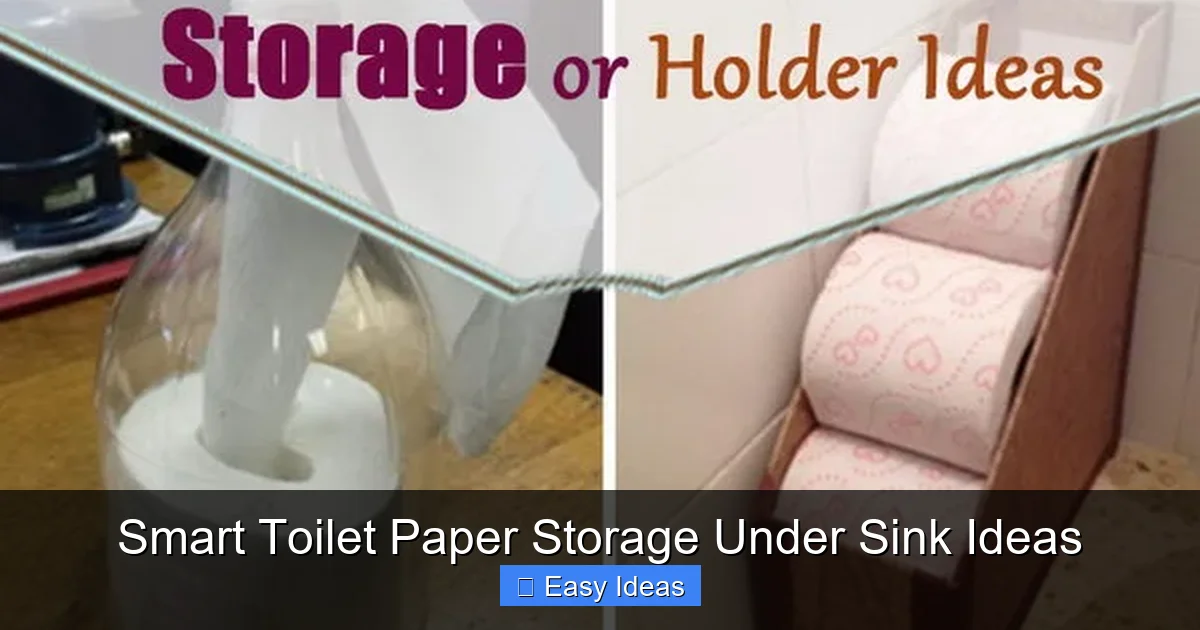
Visual guide about Smart Toilet Paper Storage Under Sink Ideas
Image source: hative.com
Not all under-sink areas are created equal. Some have pipes that limit depth, others have wide openings perfect for bins, and a few are so cramped they seem impossible to organize. The key is assessing your specific space before choosing a storage method.
Start by measuring the height, width, and depth of your cabinet. Note the location of plumbing—especially the U-shaped pipe (P-trap) that often blocks the center. This will help you determine what types of containers or organizers will fit. For shallow cabinets, low-profile bins or flat drawers work best. Deeper spaces can accommodate taller bins or stackable systems.
Next, consider how much toilet paper you use. A family of four might need space for 12–20 rolls, while a single person may only need room for 4–6. Overestimating can lead to wasted space; underestimating means constant restocking. Aim for a balance—store enough to last a week or two, but not so much that it becomes hard to access or starts to degrade.
Finally, think about accessibility. If the cabinet is hard to reach—like one under a pedestal sink—you’ll want a solution that slides out or lifts easily. Pull-out trays, lazy Susans, or magnetic bins can make a world of difference. The goal is to make storage effortless, so you’re more likely to maintain it over time.
Best Materials for Under-Sink Storage
When it comes to materials, durability and moisture resistance are non-negotiable. Bathrooms are humid, and anything stored under the sink is at risk of warping, rusting, or molding if it’s not built to withstand moisture.
Plastic bins are a top choice—they’re lightweight, affordable, and come in countless sizes and colors. Look for BPA-free, food-safe plastic if you’re storing other items like soap or toothpaste nearby. Clear bins let you see contents at a glance, while opaque ones offer a cleaner look.
Bamboo and sealed wood are stylish alternatives that add warmth to your bathroom. Just make sure they’re treated or sealed to resist water damage. Unsealed wood can swell or crack over time, especially near sinks.
Metal organizers—like wire baskets or pull-out racks—are sturdy and modern, but avoid untreated steel, which can rust. Powder-coated or stainless steel options are safer bets.
Avoid cardboard, fabric, or paper-based organizers. They may look cute, but they’ll fall apart quickly in a damp environment. Stick to materials that can handle the humidity without compromising function or hygiene.
DIY Toilet Paper Storage Ideas You Can Make Today
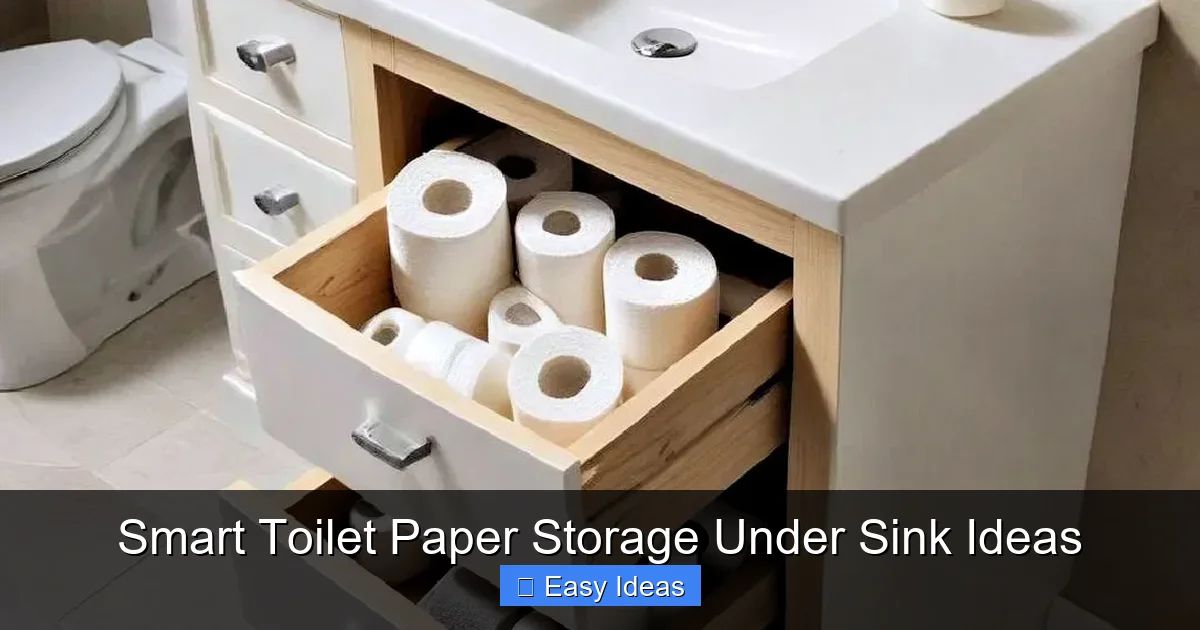
Visual guide about Smart Toilet Paper Storage Under Sink Ideas
Image source: images.suite101.com
You don’t need to spend a fortune on fancy organizers to get smart toilet paper storage under sink. With a little creativity, everyday items can be transformed into functional, stylish solutions.
One popular DIY hack is using a simple plastic storage bin. Choose one with a lid to keep dust out, or go lidless for easy access. Cut a small hole in the side or front to pull rolls through like a dispenser—this turns the bin into a mini TP station. Label it with washi tape or a sticker for a personalized touch.
Another clever idea: repurpose a shoe organizer. Hang it on the inside of the cabinet door using adhesive hooks or over-the-door clips. Each pocket holds a roll, and the vertical design saves floor space. It’s especially great for small bathrooms where every inch counts.
Mason jars aren’t just for pantry storage. Group a few together in a wooden tray or basket, and you’ve got a rustic, farmhouse-style TP holder. Paint the jars in coordinating colors or wrap them with twine for extra charm. Just make sure the jars are wide enough to fit standard rolls.
For a minimalist look, try a tension rod. Install one horizontally across the cabinet, then slide rolls onto it like curtain rings. This keeps them elevated and prevents them from rolling around. It’s a sleek, no-tools-needed solution that works in almost any under-sink space.
If you’re handy with tools, consider building a custom pull-out drawer. Use plywood or pre-cut drawer kits, add drawer slides, and install it inside the cabinet. This creates a dedicated, easy-to-access spot for toilet paper—plus, you can customize the size to fit your exact needs.
Creative Uses for Old Containers
Before you toss that old cereal container or oatmeal tub, think twice. These sturdy, food-safe plastics are perfect for DIY toilet paper storage. Simply clean them thoroughly, cut a slot in the side for easy roll access, and label them with a permanent marker or label maker.
Glass spice jars can also be repurposed—especially if you have a lot of small rolls or sample-sized TP. Arrange them in a tray or basket for a neat, organized look. They’re easy to wipe down and add a touch of elegance.
Even old wine crates or wooden boxes can be transformed. Sand them down, seal with a water-resistant finish, and line with felt or fabric to protect the rolls. Stack them vertically or place them on their side for a rustic, cottage-core vibe.
The beauty of DIY is that it’s budget-friendly and customizable. You can match your storage to your bathroom’s color scheme, style, and layout—something store-bought bins often can’t offer.
Ready-to-Buy Organizers That Work Wonders
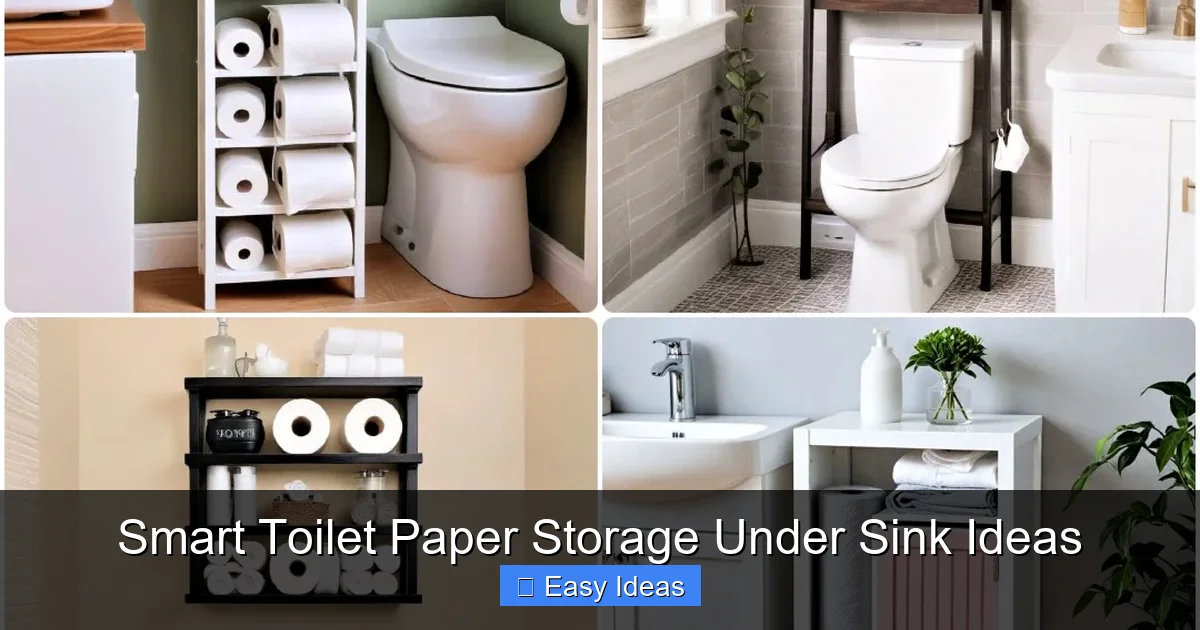
Visual guide about Smart Toilet Paper Storage Under Sink Ideas
Image source: suite101.com
If DIY isn’t your thing, don’t worry—there are plenty of ready-made solutions designed specifically for under-sink toilet paper storage. These products are engineered to fit tight spaces, resist moisture, and make access a breeze.
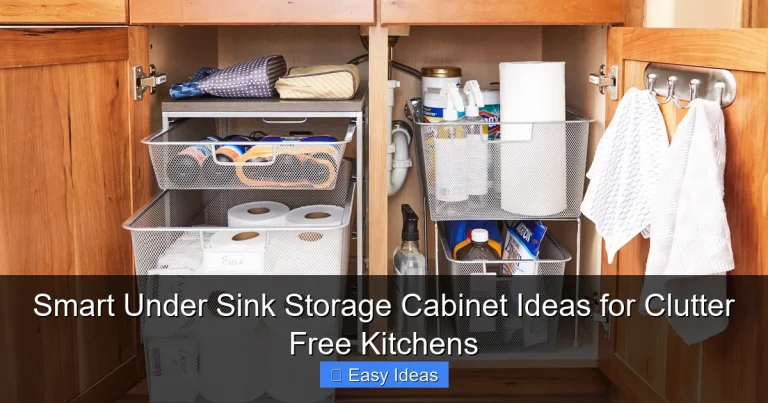
One of the most popular options is the pull-out cabinet drawer. These slide-out trays attach to the bottom of your cabinet and can hold multiple rolls. Some even come with dividers to separate TP from other items like wipes or spare soap. Brands like SimpleHouseware and mDesign offer affordable, well-reviewed models that fit most standard cabinets.
Tiered shelf organizers are another great choice. They create multiple levels in a single cabinet, allowing you to store TP on one tier and cleaning supplies on another. Look for ones with non-slip feet and adjustable heights for maximum flexibility.
Lazy Susans aren’t just for kitchens. A rotating turntable under the sink lets you spin to find the roll you need without digging through clutter. They’re especially useful in corner cabinets where space is tight.
For a sleek, modern look, consider a wall-mounted dispenser inside the cabinet. These attach to the side or back wall and hold one or two rolls, keeping them within easy reach. Some even include a built-in cutter for tearing sheets—perfect for quick changes.
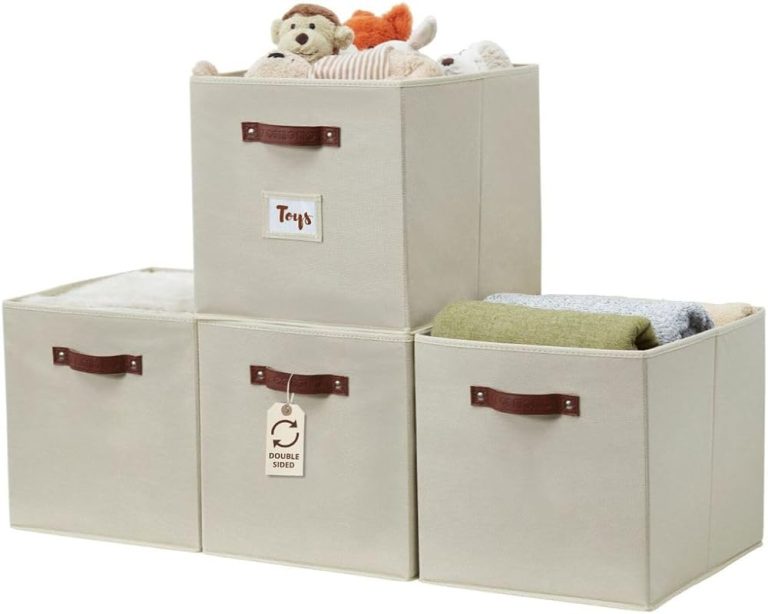
Bamboo or plastic bins with built-in handles are also worth considering. They’re easy to pull out, stackable, and often come with lids to protect contents. Plus, they blend seamlessly with most bathroom decors.
When shopping, read reviews and check dimensions carefully. What looks good online might not fit your cabinet—or your plumbing. Measure twice, buy once.
Top Brands to Consider
Some brands consistently deliver quality under-sink organizers. mDesign offers a wide range of stylish, functional bins and drawers. Their products are known for durability and smart design.
SimpleHouseware specializes in space-saving solutions, including pull-out trays and stackable shelves. Their items are affordable and easy to install.
OXO and Joseph Joseph are known for innovative, user-friendly designs. OXO’s Good Grips line includes moisture-resistant bins, while Joseph Joseph offers colorful, modular systems.
IKEA is a go-to for budget-friendly, minimalist storage. Their SKUBB and TJUSIG lines include bins and organizers perfect for under-sink use.
No matter which brand you choose, prioritize function, fit, and material quality. A well-chosen organizer can last for years—and make your daily routine a little smoother.
Tips for Maintaining an Organized Under-Sink Space
Great storage is only half the battle. To keep your toilet paper—and the rest of your under-sink area—organized long-term, you need a few smart habits.
First, adopt a “one in, one out” rule. When you buy a new pack of TP, remove an old one or consolidate partial rolls. This prevents overstuffing and ensures nothing gets buried or forgotten.
Second, clean the cabinet regularly. Wipe down shelves and bins every few weeks to remove dust, moisture, and any accidental spills. This prevents mold and keeps your storage looking fresh.
Third, label everything. Use labels or color-coded bins to distinguish between toilet paper, wipes, spare soap, and cleaning supplies. This helps family members (and guests) put things back where they belong.
Fourth, rotate your stock. Use older rolls first to avoid waste. Store new packs in the back and move older ones forward—this simple FIFO (first in, first out) method keeps your supply fresh.
Finally, reassess every season. As your household needs change—like during holidays or when guests visit—adjust your storage accordingly. A little maintenance goes a long way in keeping your bathroom functional and clutter-free.
Common Mistakes to Avoid
Even with the best intentions, it’s easy to make storage mistakes. One common error is overloading the cabinet. Too many items make it hard to access anything, defeating the purpose of organization.
Another mistake is ignoring moisture. Storing TP in a damp, unsealed container can lead to mold or mildew—definitely not what you want near your bathroom essentials.
Also, avoid using fragile or decorative containers that can’t handle humidity. Pretty doesn’t always mean practical.
Lastly, don’t forget about accessibility. If you have to crawl on your hands and knees to reach the TP, you’re less likely to use the system consistently. Keep frequently used items within easy reach.
Styling Your Storage to Match Your Bathroom
Organization doesn’t have to mean boring. With a few styling tips, your under-sink toilet paper storage can enhance your bathroom’s overall look.
Start with color. Choose bins and organizers in neutral tones like white, gray, or beige for a clean, modern feel. Or go bold with navy, sage green, or terracotta to add personality.
Add texture with woven baskets or bamboo trays. These natural materials bring warmth and contrast to sleek tiles or vanities.
Use matching sets. If you have multiple storage bins, choose ones from the same line or brand for a cohesive look. Consistency creates visual harmony.
Incorporate small decor touches. A tiny potted succulent (in a waterproof pot) or a scented candle can make the space feel inviting—just keep them away from direct water exposure.
Finally, keep it minimal. Avoid overcrowding with too many decorative items. The goal is balance: functional storage that also looks good.
Conclusion
Smart toilet paper storage under sink ideas aren’t just about hiding clutter—they’re about creating a more functional, peaceful bathroom experience. By choosing the right materials, leveraging DIY creativity, or investing in quality organizers, you can turn a cramped cabinet into a well-organized hub for essentials.
Whether you’re working with a tiny apartment bathroom or a spacious master suite, there’s a solution that fits your space and style. The key is to assess your needs, measure your space, and pick a system that’s both practical and sustainable.
With a little effort, your under-sink area can go from chaotic to calm—keeping your toilet paper dry, accessible, and out of sight. And when your bathroom feels this good, you’ll wonder how you ever lived without it.
🎥 Related Video: Small Bathroom Storage Toilet Paper Storage Corner Floor Cabinet Bathroom Organizer Furniture
📺 fusion Architecture
PRITI Small Bathroom Storage Toilet Paper Storage Corner Floor Cabinet with Doors and Shelves Bathroom Organizer Furniture …
Frequently Asked Questions
Will toilet paper get moldy under the sink?
It can if stored in a damp, sealed container. Use breathable or ventilated bins and avoid placing TP directly on wet surfaces to prevent mold.
Can I install a pull-out drawer myself?
Yes, most pull-out drawers come with simple installation kits. Basic tools like a drill and screwdriver are usually all you need.
Are there eco-friendly options for under-sink storage?
Absolutely. Look for bins made from recycled plastic, bamboo, or sustainably sourced wood. These materials are durable and better for the environment.
What if my under-sink space is too small?
Try vertical storage like tension rods, over-the-door organizers, or slim stackable bins. Even a small space can hold 4–6 rolls with smart design.
Can I store other items with toilet paper?
Yes, but keep similar items together. Store TP with spare soap, wipes, or tissues—but avoid mixing with cleaning chemicals for safety.
How often should I reorganize under the sink?
Every 3–6 months is ideal. Seasonal cleaning and reassessing your storage needs help maintain order and prevent clutter buildup.