Best Under Sink Storage Bins for Organizing Your Space
Under sink storage bins are a game-changer for small spaces. They turn cramped, messy cabinets into neat, functional zones with smart organization. Whether you’re storing cleaning supplies, toiletries, or pantry items, the right bins make everything easy to find and access.
Key Takeaways
- Maximize vertical space: Use stackable or tiered bins to make the most of limited cabinet height.
- Choose the right material: Opt for BPA-free plastic, bamboo, or fabric bins based on durability and style needs.
- Prioritize accessibility: Pull-out or sliding bins help reach items at the back without hassle.
- Measure before buying: Cabinet dimensions and plumbing can limit space—always check measurements first.
- Use dividers and labels: Keep similar items grouped and easy to identify with built-in dividers or label makers.
- Go modular: Adjustable or interlocking bins let you customize layouts as your storage needs change.
- Consider ventilation: For damp areas like under the sink, choose bins with airflow to prevent mold and odors.
Quick Answers to Common Questions
What are under sink storage bins?
Under sink storage bins are containers designed to organize items in the cabinet beneath your kitchen or bathroom sink. They help maximize space, improve accessibility, and reduce clutter.
How do I measure for under sink bins?
Measure the width, depth, and height of your cabinet. Also note the location of pipes, garbage disposals, or other fixtures. Choose bins with cutouts or flexible shapes if needed.
Can I use fabric bins under the sink?
Yes, but only if the area stays dry. Fabric bins are great for lightweight, dry items like rags or paper towels. Avoid them in damp or leak-prone areas.
Are pull-out bins worth the cost?
Absolutely, if you use the space often. Pull-out bins make it easy to reach items at the back and are especially helpful in deep or hard-to-access cabinets.
How do I prevent mold under the sink?
Use ventilated bins, fix leaks promptly, and avoid storing damp items. Keep the area dry and consider using moisture-absorbing products like silica gel packs.
📑 Table of Contents
- Why Under Sink Storage Bins Are a Must-Have
- What to Look for in Under Sink Storage Bins
- Top Types of Under Sink Storage Bins
- How to Organize Under the Sink Like a Pro
- Best Under Sink Storage Bins on the Market
- DIY and Budget-Friendly Ideas
- Common Mistakes to Avoid
- Final Thoughts: Transform Your Space Today
Why Under Sink Storage Bins Are a Must-Have
The space under your sink might be one of the most underutilized areas in your home. It’s often dark, cramped, and packed with cleaning bottles, sponges, and random odds and ends. But with the right under sink storage bins, this forgotten zone can become one of your most organized and efficient spaces.
Whether you’re dealing with a tiny apartment kitchen or a spacious family bathroom, clutter under the sink is universal. Pipes, awkward corners, and low clearance make it tricky to store things neatly. That’s where smart storage solutions come in. Under sink bins aren’t just about tidying up—they’re about creating order, saving time, and even reducing stress. Imagine opening your cabinet and instantly knowing where your drain cleaner, dishwasher pods, or extra trash bags are. No more digging through a jumble of bottles!
What to Look for in Under Sink Storage Bins
Not all storage bins are created equal, especially when it comes to tight, irregular spaces like under the sink. Here’s what to keep in mind when shopping for the best options.
Visual guide about Best Under Sink Storage Bins for Organizing Your Space
Image source: i.pinimg.com
Size and Shape Matter
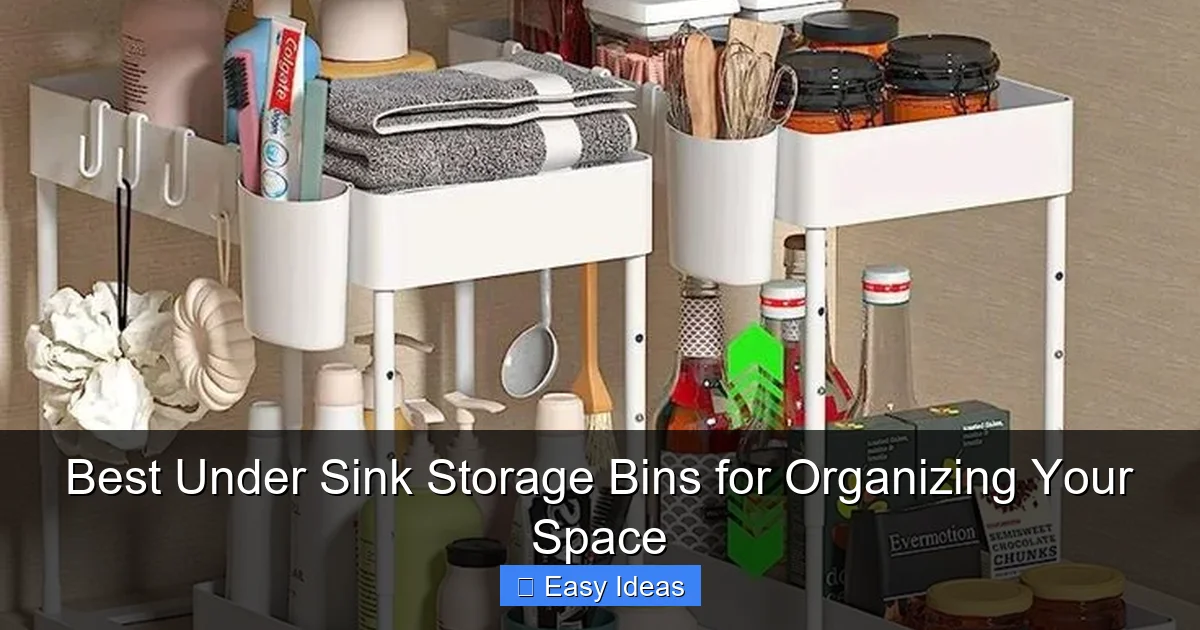
Start by measuring your cabinet—width, depth, and height. Don’t forget to account for pipes, garbage disposals, or other fixtures. Many bins are designed with cutouts or flexible shapes to fit around these obstacles. Look for L-shaped, U-shaped, or modular bins that can adapt to your space.
Material Options
Plastic bins are lightweight, affordable, and easy to clean—great for wet environments. Bamboo or wood-look bins add a stylish, natural touch and work well in modern kitchens. Fabric bins are soft and collapsible, ideal for lightweight items like paper towels or rags. For damp areas, choose bins with ventilation holes to prevent mildew.
Pull-Out and Sliding Features
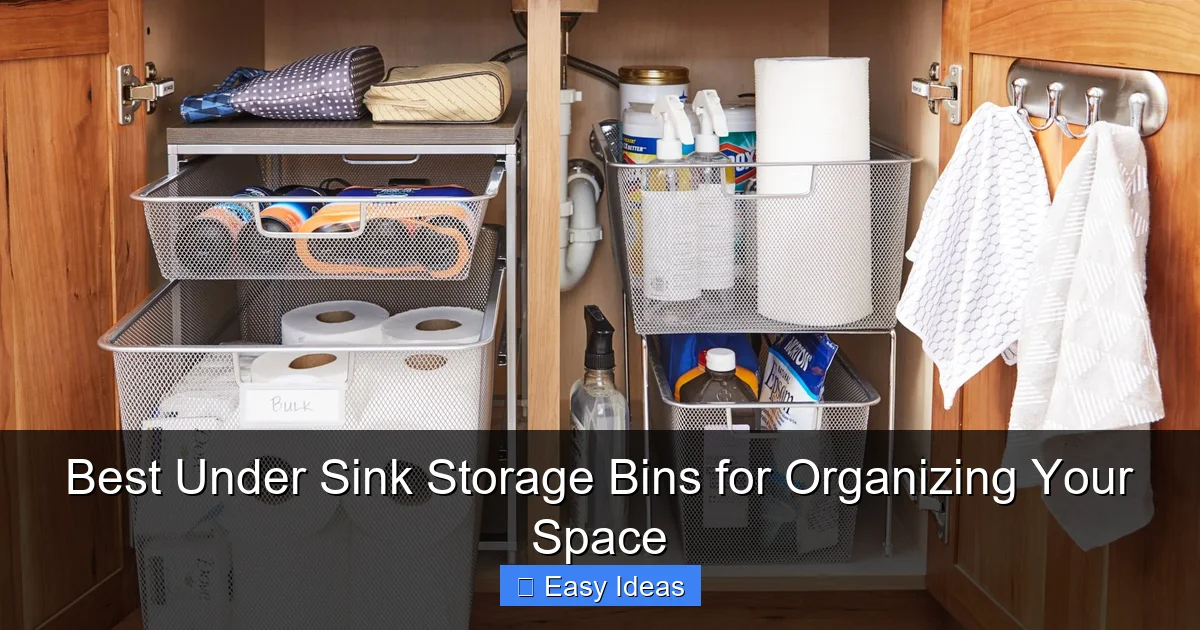
One of the biggest challenges under the sink is reaching items at the back. Pull-out bins with wheels or sliding trays solve this problem. They glide out smoothly, giving you full access without rearranging everything. Some models even attach to the cabinet door for extra convenience.
Stackability and Modularity
If you have vertical space, stackable bins help you double or triple your storage. Modular systems let you mix and match sizes and shapes to fit your exact needs. This is especially useful if you store both tall bottles and small packets.
Top Types of Under Sink Storage Bins
There’s no one-size-fits-all solution, but these popular types cover most needs.
Visual guide about Best Under Sink Storage Bins for Organizing Your Space
Image source: domino.com
Plastic Bin Sets
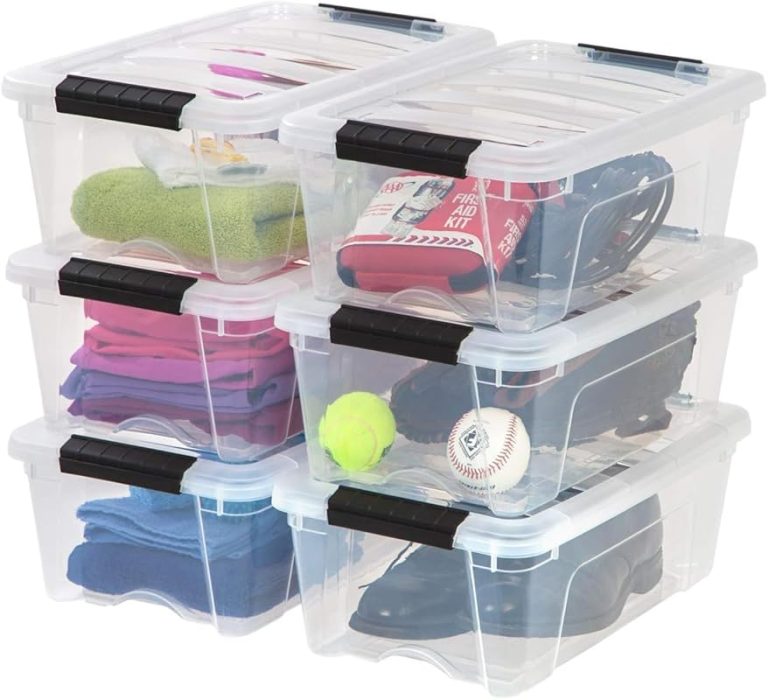
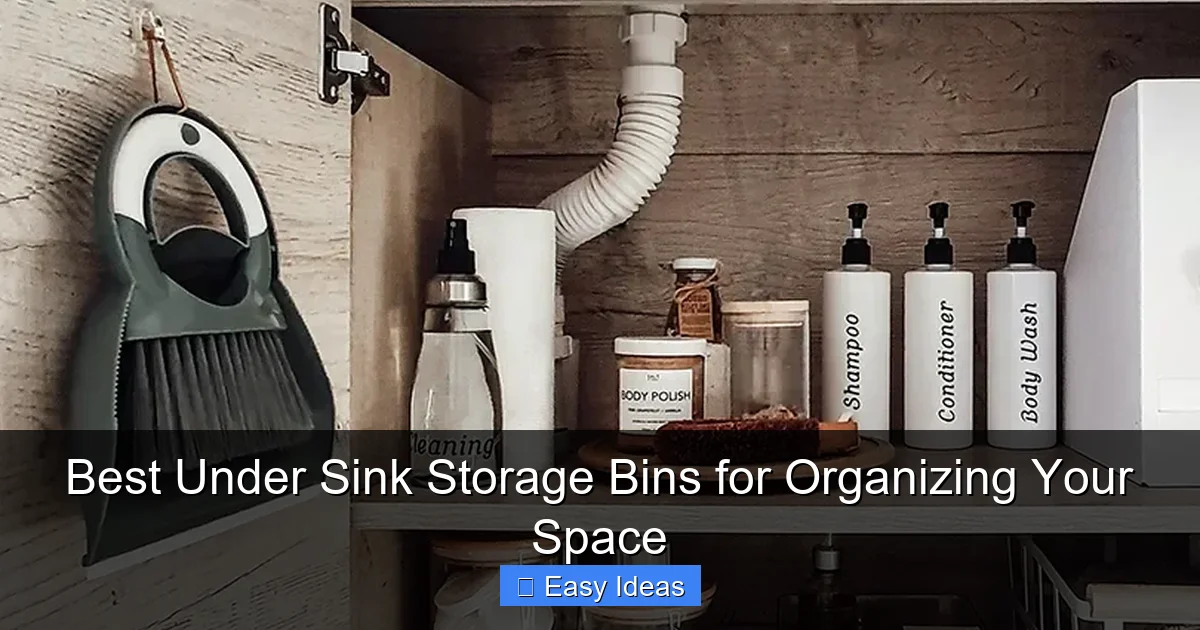
Clear plastic bins are a classic choice. You can see contents at a glance, and they’re easy to wipe clean. Look for sets with different sizes—small for sponges, medium for sprays, large for bulk items. Brands like Sterilite and Rubbermaid offer durable, affordable options.
Pull-Out Drawer Systems
These are like mini drawers that slide out from under the sink. They often come with dividers and can hold heavy items like gallon jugs. Some are mounted to the cabinet floor or side, while others sit on rails. They’re a bit pricier but worth it for frequent use.
Bamboo and Wood Bins
For a more polished look, bamboo bins blend well with modern cabinetry. They’re sturdy and eco-friendly, though not ideal for very wet areas unless sealed. Use them for dry goods like paper towels, trash bags, or reusable cleaning cloths.
Fabric and Collapsible Bins
Perfect for lightweight items, fabric bins are soft, quiet, and space-saving when not in use. They’re great for storing rags, scrub brushes, or seasonal items. Just make sure the area stays dry to avoid mold.
Customizable Modular Systems
Systems like the IKEA SKUBB or SimpleHouseware modular bins let you build your own layout. You can add shelves, drawers, or hanging pockets. These are ideal if your under-sink space is irregular or if your storage needs change often.
How to Organize Under the Sink Like a Pro
Having the right bins is only half the battle—how you use them makes all the difference.
Visual guide about Best Under Sink Storage Bins for Organizing Your Space
Image source: bhg.com
Group by Category
Start by sorting items into groups: cleaning supplies, dishwasher items, sponges and brushes, trash bags, etc. This makes it easier to assign each group to a specific bin. For example, keep all spray bottles in one bin and powders in another.
Use Labels
Even clear bins benefit from labels. Use a label maker or sticky notes to mark contents. This is especially helpful in households with multiple people—everyone knows where things go.
Store Heavier Items Low
Place heavy bottles like bleach or dish soap on the bottom shelf or in a pull-out drawer. This keeps the cabinet stable and prevents tipping.
Utilize Door Space
Don’t forget the inside of the cabinet door! Install over-the-door organizers or adhesive hooks for hanging spray bottles, scrub brushes, or measuring cups. This frees up shelf space for larger bins.
Keep Frequently Used Items Front and Center
Store everyday items like dish soap or all-purpose cleaner in the most accessible bins. Reserve the back or top for rarely used items like seasonal cleaners or spare parts.
Best Under Sink Storage Bins on the Market
Here are some top-rated options that combine function, durability, and smart design.
SimpleHouseware Stackable Under Sink Organizer
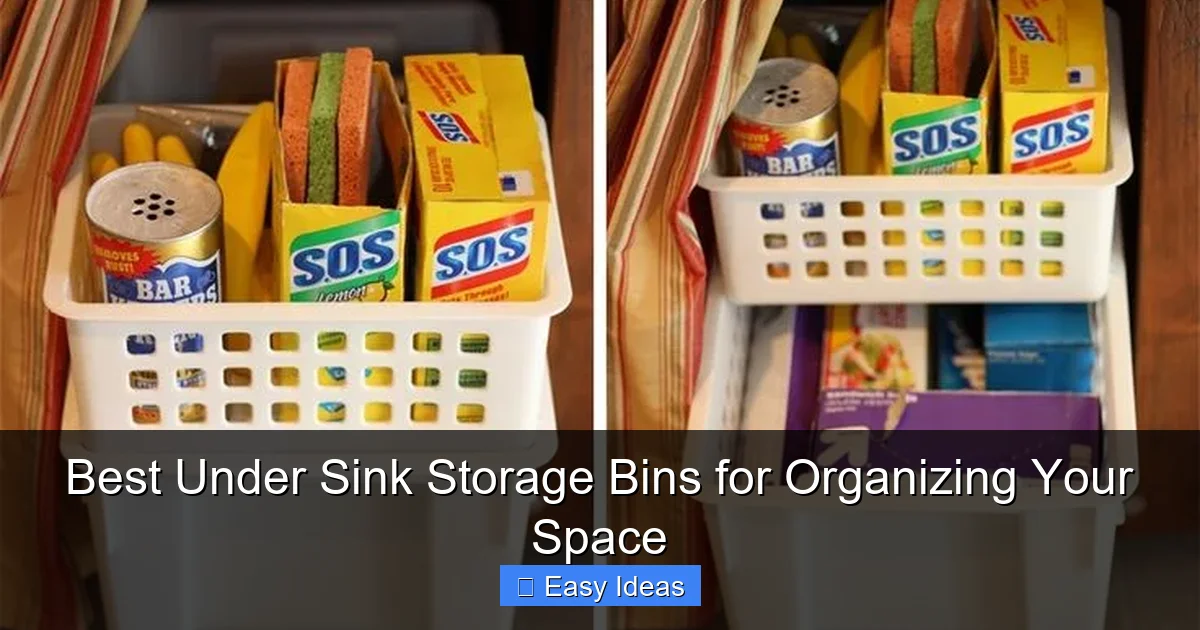
This two-tier plastic bin set is a fan favorite. It’s stackable, has a pull-out lower drawer, and fits most standard cabinets. The open design makes it easy to grab items, and the sturdy build handles heavy bottles. Great for kitchens and bathrooms.
IKEA SKUBB Storage Box with Dividers
Made of lightweight fabric with removable dividers, this bin is perfect for small items. It’s collapsible, so you can store it flat when not in use. Ideal for organizing sponges, scrubbers, or cleaning cloths.
mDesign Plastic Pull-Out Under Sink Bin
This sleek, modern bin slides out on smooth rails and has a built-in handle. It’s made of BPA-free plastic and fits around pipes. The transparent design lets you see everything, and it’s easy to clean.
YouCopia StoreMore Expandable Bin
With adjustable dividers and a non-slip base, this bin expands to fit your space. It’s great for organizing packets, pods, or small bottles. The modular design lets you connect multiple bins side by side.
Bamboo Under Sink Organizer by mDesign
This stylish two-tier bamboo bin adds warmth to your cabinet. It’s eco-friendly, sturdy, and has a natural water-resistant finish. Best for dry storage like paper products or reusable bags.
DIY and Budget-Friendly Ideas
You don’t need to spend a lot to get organized. Try these creative, low-cost solutions.
Repurpose Shoeboxes or Food Containers
Clean, sturdy shoeboxes can work as temporary bins. Line them with contact paper for a nicer look. Large food containers (like those from pasta or nuts) are also great for storing small items.
Use Tension Rods
Install tension rods under the sink to hang spray bottles or cleaning cloths. This keeps them off the floor and easy to reach. You can also use them to separate sections within a bin.
Make Your Own Dividers
Cut cardboard or foam board to create custom dividers inside a large bin. Cover them with duct tape or fabric for durability. This works well for organizing pods, tabs, or small tools.
Repurpose a Lazy Susan
A small lazy Susan can turn a cluttered corner into a rotating storage station. Place it inside a bin or directly on the cabinet floor to spin and access items easily.
Common Mistakes to Avoid
Even with the best bins, poor planning can lead to frustration.
Ignoring Measurements
Buying bins that are too tall or wide is a common error. Always measure your cabinet and note pipe locations. Take a photo to reference when shopping.
Overstuffing Bins
More isn’t always better. Overfilled bins become hard to pull out and can spill. Leave a little space for easy access and airflow.
Forgetting About Moisture
Under-sink areas are prone to leaks and humidity. Avoid fabric bins in very damp spaces unless they’re treated for moisture resistance. Check for leaks regularly.
Not Labeling
Unlabeled bins lead to confusion. Take two minutes to label each one—your future self will thank you.
Final Thoughts: Transform Your Space Today
Organizing under the sink doesn’t have to be overwhelming. With the right under sink storage bins, a little planning, and smart habits, you can turn a chaotic cabinet into a model of efficiency. Start small—maybe just one bin for cleaning supplies—and build from there. The key is consistency: put things back where they belong, and maintain your system regularly.
Whether you choose sleek plastic, eco-friendly bamboo, or a high-tech pull-out system, the goal is the same: a cleaner, calmer, more functional space. And the best part? You’ll save time, reduce stress, and actually enjoy opening that cabinet door. So go ahead—give your under-sink area the upgrade it deserves.
🎥 Related Video: 🤯Shocking DOLLAR TREE ✨Organization HACKS✨for your kitchen!! #dollartree #organization #home
📺 The Crafted Studio Co
Kitchen ✨ORGANIZATION✨ products from Dollar Tree!! Which one was your favorite?! ☀️ SHOPPING list: Dollar …
Frequently Asked Questions
What size under sink storage bin do I need?
Measure your cabinet’s interior dimensions and subtract space taken by pipes or fixtures. Most standard cabinets fit bins between 10–14 inches wide and 6–8 inches tall, but always double-check.
Can under sink bins hold heavy items?
Yes, but choose sturdy materials like thick plastic or bamboo. Avoid overloading lightweight bins, and place heavy bottles in pull-out or bottom-tier bins for stability.
Do under sink bins work in small apartments?
Definitely. In fact, they’re especially useful in small spaces where every inch counts. Compact, stackable, or modular bins are ideal for tiny kitchens and bathrooms.
How often should I reorganize under the sink?
Do a quick check every month and a deep clean every 3–6 months. This helps prevent clutter buildup and ensures everything is still accessible and in good condition.
Are there eco-friendly under sink storage options?
Yes! Look for bins made from bamboo, recycled plastic, or sustainable materials. Brands like mDesign and IKEA offer eco-conscious choices that are both stylish and functional.
Can I install under sink bins myself?
Most bins are tool-free and simply sit on the cabinet floor. Pull-out systems may require basic installation with screws or adhesive mounts, but instructions are usually included.