Smart Under Sink Storage Cabinet Ideas for Clutter Free Kitchens
Struggling with a cramped, messy under-sink area? A smart under sink storage cabinet can transform wasted space into an organized hub for cleaning supplies, trash bins, and more. With clever designs and easy-to-implement ideas, you can keep your kitchen tidy, functional, and visually appealing—no renovation required.
If your kitchen sink cabinet looks like a black hole of tangled spray bottles, overflowing trash bags, and mystery sponges, you’re not alone. That narrow, awkwardly shaped space under the sink is one of the most challenging areas to organize. But here’s the good news: with a few smart under sink storage cabinet ideas, you can turn that cluttered mess into a clean, efficient storage zone.
The key is thinking beyond the standard open shelf. Most under-sink cabinets come with basic construction—little more than a box with a pipe running through it. But with a little creativity and the right tools, you can reclaim every inch. Whether you’re a DIY enthusiast or prefer ready-made solutions, there are plenty of easy, affordable ways to upgrade your under-sink storage. From pull-out trays to modular bins, the options are endless—and the payoff is a kitchen that feels calmer, cleaner, and more functional.
Let’s dive into practical, real-world strategies that actually work. No need for a full kitchen remodel—just a few smart tweaks can make a huge difference. Whether you’re storing cleaning supplies, recycling bins, or even pet food, these ideas will help you create a system that’s both organized and easy to maintain.
Key Takeaways
- Maximize vertical space: Use tiered shelves, pull-out racks, or stackable bins to make the most of limited room under the sink.
- Choose moisture-resistant materials: Opt for plastic, coated wood, or metal to prevent warping or mold in damp environments.
- Incorporate pull-out systems: Sliding drawers or lazy Susans improve accessibility and reduce the need to dig through clutter.
- Use clear containers: Transparent bins help you quickly identify contents, saving time and reducing frustration.
- Install door organizers: Hang racks or hooks on cabinet doors to store spray bottles, sponges, or trash bags.
- Customize for your needs: Tailor your storage layout based on what you store—cleaning supplies, recycling, or pet food.
- Keep it simple and stylish: Functional doesn’t mean ugly—modern under sink storage cabinets blend seamlessly with kitchen decor.
Quick Answers to Common Questions
What is the best material for under sink storage?
Plastic, coated wood, and metal are ideal because they resist moisture and are easy to clean. Avoid untreated wood or fabric, which can warp or mold.
Can I install pull-out shelves myself?
Yes! Many pull-out systems come with instructions and require only basic tools like a drill and screwdriver. Measure your cabinet first to ensure a proper fit.
How do I organize cleaning supplies under the sink?
Group similar items together in labeled bins, use tiered shelves for visibility, and store heavy items on pull-out trays for easy access.
Are under sink storage cabinets safe for kids?
Yes, if you use childproof locks and store chemicals in secure, labeled containers. Keep hazardous items out of reach or in locked bins.
How often should I reorganize under the sink?
Do a quick check once a month to remove expired products, wipe down surfaces, and reassess your system. Major reorganizations can be done seasonally.
📑 Table of Contents
Why Under Sink Storage Matters
The space under your kitchen sink is prime real estate—yet it’s often the most neglected. It’s dark, cramped, and full of awkward angles, making it easy for things to get lost or forgotten. But when properly organized, this area can become one of the most useful spots in your kitchen.
Think about what you typically store there: dish soap, all-purpose cleaners, sponges, trash bags, recycling bins, and maybe even a plunger or scrub brushes. Without a system, these items pile up, creating a chaotic jumble that’s hard to navigate. You end up digging through bottles just to find the dishwasher pods, or knocking over a spray bottle every time you open the cabinet.
A well-designed under sink storage cabinet solves these problems. It keeps everything visible, accessible, and in its place. More importantly, it saves you time and stress. Imagine opening the cabinet and instantly seeing where everything is—no more guessing, no more spills. Plus, a tidy under-sink area makes your whole kitchen feel more put together.
Beyond functionality, good storage improves safety. Cleaning chemicals stored haphazardly can tip over, leak, or be accidentally accessed by kids or pets. A structured system with secure containers and childproof locks reduces these risks. And let’s not forget the aesthetic boost—when your under-sink area looks neat, your kitchen just feels cleaner.
Top Smart Storage Solutions for Under the Sink
Visual guide about Smart Under Sink Storage Cabinet Ideas for Clutter Free Kitchens
Image source: homemydesign.com
Now that we know why organization matters, let’s explore the best smart under sink storage cabinet ideas. These solutions are designed to fit real-life kitchens—small spaces, tight budgets, and everyday messes included.
Pull-Out Shelves and Drawers
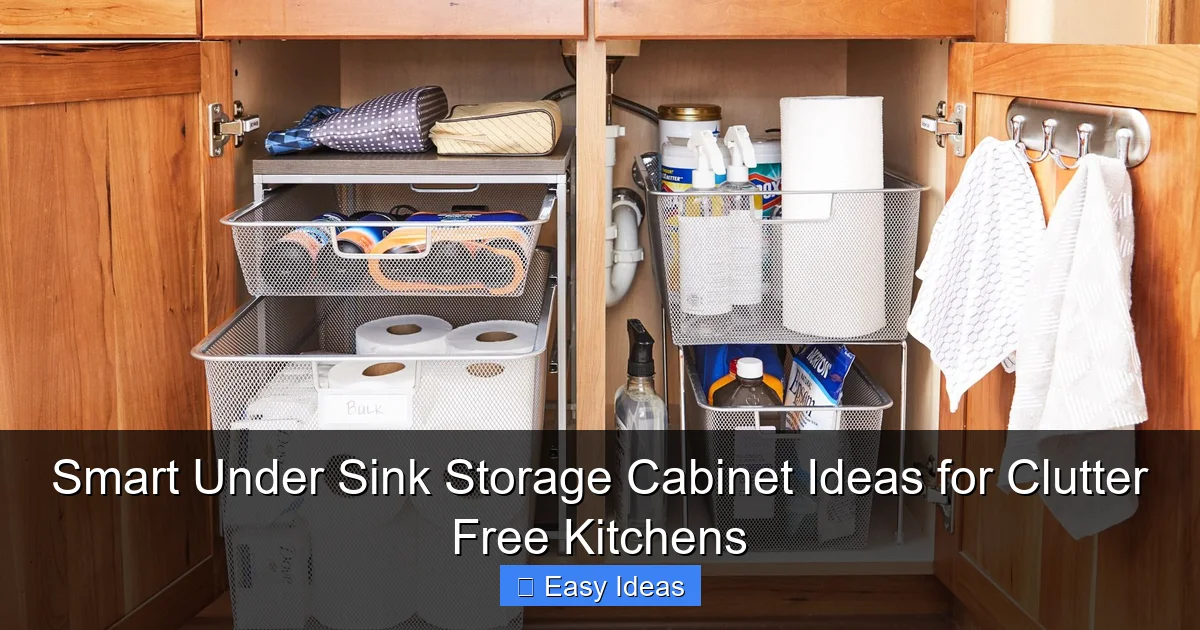
One of the most effective upgrades you can make is installing pull-out shelves or drawers. These glide smoothly on rails, bringing everything into view with a simple tug. No more crouching or reaching blindly into the back of the cabinet.
You can buy ready-made pull-out systems online or at hardware stores, or build your own using drawer slides and plywood. For best results, measure your cabinet carefully and choose slides that support the weight of your items. Heavy-duty slides work well for storing trash cans or large cleaning bottles.
Pro tip: Use two-tier pull-outs to double your storage. The top tier can hold lighter items like sponges or gloves, while the bottom holds heavier supplies. This vertical stacking makes the most of limited space.
Tiered Shelving and Risers
If you prefer a simpler fix, tiered shelving or risers are a great option. These are small platforms that create multiple levels inside your cabinet, allowing you to store items at different heights.
For example, place a riser in the back of the cabinet and stack a bin of trash bags on top. In front, you can keep frequently used items like dish soap or scrub brushes at eye level. This way, nothing gets buried.
Look for risers made from sturdy, waterproof materials like plastic or coated metal. Some come with non-slip surfaces to keep bottles from sliding around. You can even use stackable plastic bins as makeshift risers—just make sure they’re stable.
Lazy Susans for Corner Cabinets
Got a corner sink cabinet? You know how hard it is to reach items tucked in the back. A lazy Susan—a rotating turntable—solves this problem instantly.
Install a round or kidney-shaped lazy Susan in the corner. Now, you can spin it to access cleaning supplies, sponges, or even a small trash bin without stretching or straining. These are especially useful for storing spray bottles, which can be awkward to reach in tight spaces.
Many lazy Susans come with built-in dividers or compartments, helping you separate different types of items. Choose one with a smooth spin mechanism and a non-slip base for best results.
Door-Mounted Organizers
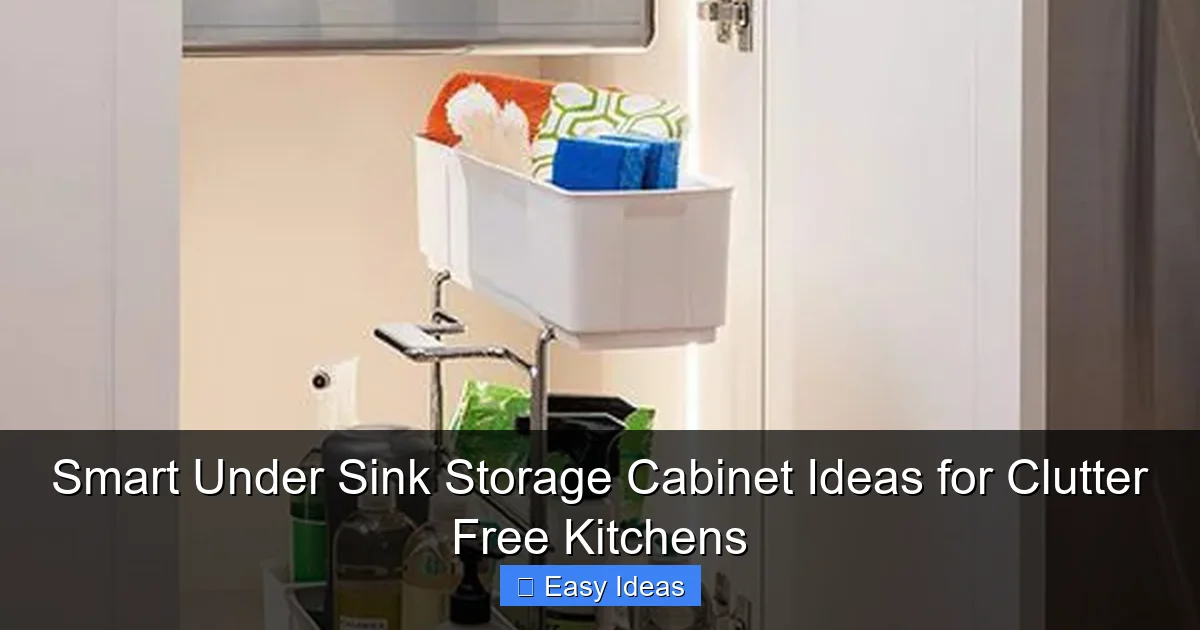
Don’t forget the inside of the cabinet door—it’s prime real estate! Door-mounted organizers let you store small items like sponges, scrub brushes, or trash bags without taking up shelf space.
You can install over-the-door racks, magnetic strips, or adhesive hooks. For example, hang a mesh pocket organizer to store sponges and rags. Or use adhesive hooks to hang spray bottles upside down, saving shelf space and keeping them within reach.
For a more permanent solution, screw in a small wire rack or pegboard. This lets you customize the layout with hooks, clips, or small shelves. Just make sure the door can still close properly after installation.
Choosing the Right Materials and Design
Visual guide about Smart Under Sink Storage Cabinet Ideas for Clutter Free Kitchens
Image source: drivenbydecor.com
Not all storage solutions are created equal. The materials and design you choose can make or break your under sink storage cabinet’s effectiveness—and longevity.
Moisture-Resistant Materials
The area under the sink is prone to spills, leaks, and humidity. That means wood—especially untreated wood—is a bad idea. It can warp, rot, or grow mold over time.
Instead, opt for moisture-resistant materials like:
– **Plastic bins and trays:** Lightweight, affordable, and easy to clean.
– **Coated or laminated wood:** Looks nice but needs a protective finish.
– **Stainless steel or aluminum:** Durable and rust-resistant, ideal for heavy-duty use.
– **Waterproof melamine:** A great middle ground between style and function.
Avoid cardboard, fabric, or anything that absorbs water. Even if it looks fine now, moisture will eventually take its toll.
Modular and Adjustable Systems
Flexibility is key. Your storage needs may change over time—maybe you start composting, or switch to eco-friendly cleaning products. A modular system lets you adapt without starting from scratch.
Look for bins with removable dividers, stackable containers, or adjustable shelf heights. Some systems use interlocking pieces that snap together, making it easy to reconfigure your layout.
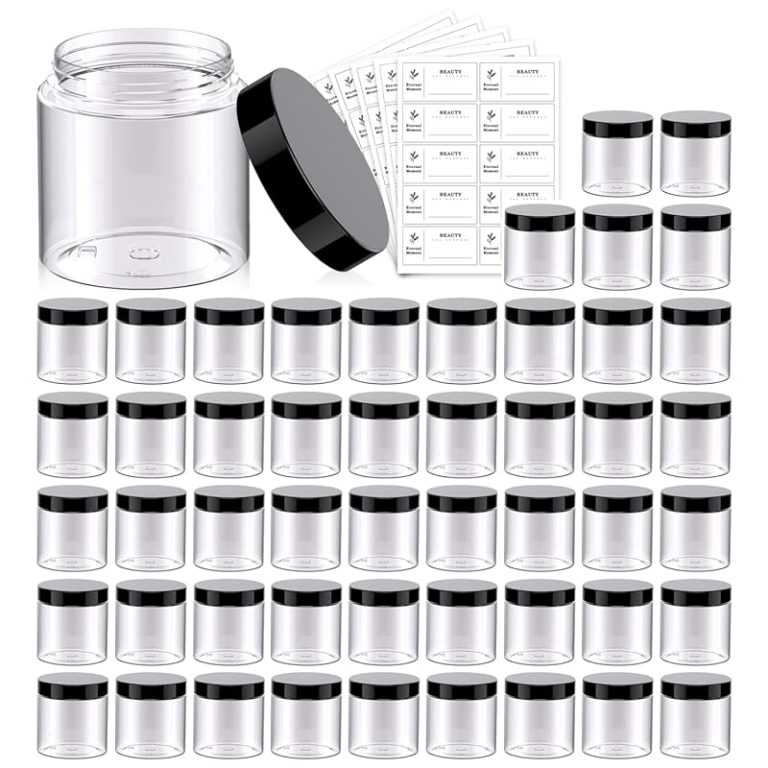
For example, a set of clear plastic bins with labels lets you group similar items together. When you need more space for recycling, just remove a bin and replace it with a larger one. No tools required.
Style That Matches Your Kitchen
Storage doesn’t have to be boring. Today’s under sink storage cabinets come in a range of styles—from sleek modern designs to rustic farmhouse looks.
Choose colors and finishes that complement your kitchen. White or gray bins blend in with most cabinets. Bamboo or wood-look organizers add warmth. Even metallic finishes can look stylish if they match your faucet or hardware.
The goal is to create a cohesive look. When your storage matches your kitchen’s vibe, it feels intentional—not like an afterthought.
DIY vs. Ready-Made Solutions
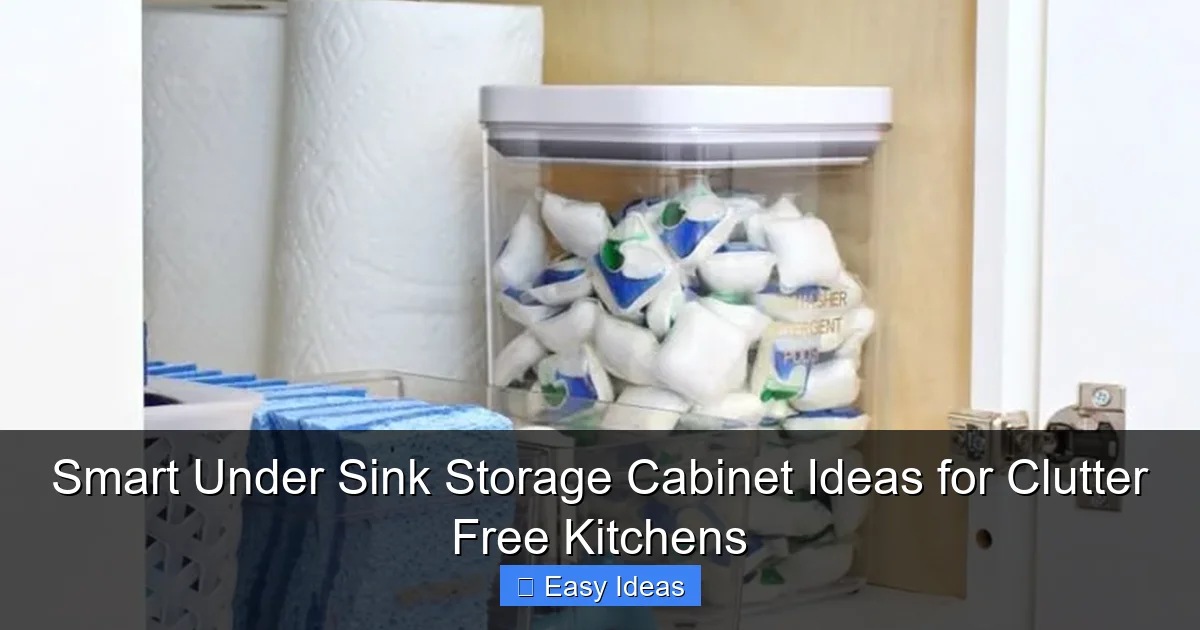
Visual guide about Smart Under Sink Storage Cabinet Ideas for Clutter Free Kitchens
Image source: i.pinimg.com
Should you build your own under sink storage cabinet or buy a pre-made one? The answer depends on your budget, skills, and time.
DIY Pros and Cons
Building your own system gives you total control over size, layout, and materials. You can customize every detail to fit your exact needs.
Pros:
– Fully customizable
– Often cheaper than high-end kits
– Satisfaction of a personal project
Cons:
– Requires tools and time
– May not look as polished
– Risk of measurement errors
If you’re handy with a drill and saw, DIY can be a fun weekend project. Start with simple upgrades like adding a shelf or installing drawer slides. Use online tutorials for guidance.
Ready-Made Options
Pre-made storage systems are convenient and usually come with everything you need. They’re ideal if you want a quick fix or aren’t confident in your DIY skills.
Look for kits that include:
– Pull-out trays
– Stackable bins
– Door racks
– Lazy Susans
Many are tool-free and snap together in minutes. Brands like SimpleHouseware, mDesign, and YouCopia offer affordable, well-designed options.
The downside? You may need to compromise on size or layout. Measure your cabinet carefully before buying to ensure a good fit.
Tips for Maintaining an Organized Under Sink Cabinet
Even the best storage system can fall apart without regular upkeep. Here’s how to keep your under sink cabinet clutter-free for the long haul.
Label Everything
Labels might seem unnecessary, but they make a big difference. When you can see at a glance where things go, you’re more likely to put them back.
Use a label maker or printable stickers. Label bins for “Cleaning Sprays,” “Trash Bags,” “Sponges,” etc. This is especially helpful in households with multiple people—everyone knows where to find (and return) items.
Do a Monthly Check-In
Set a reminder to review your under sink storage once a month. Check for expired products, leaks, or items that no longer belong.
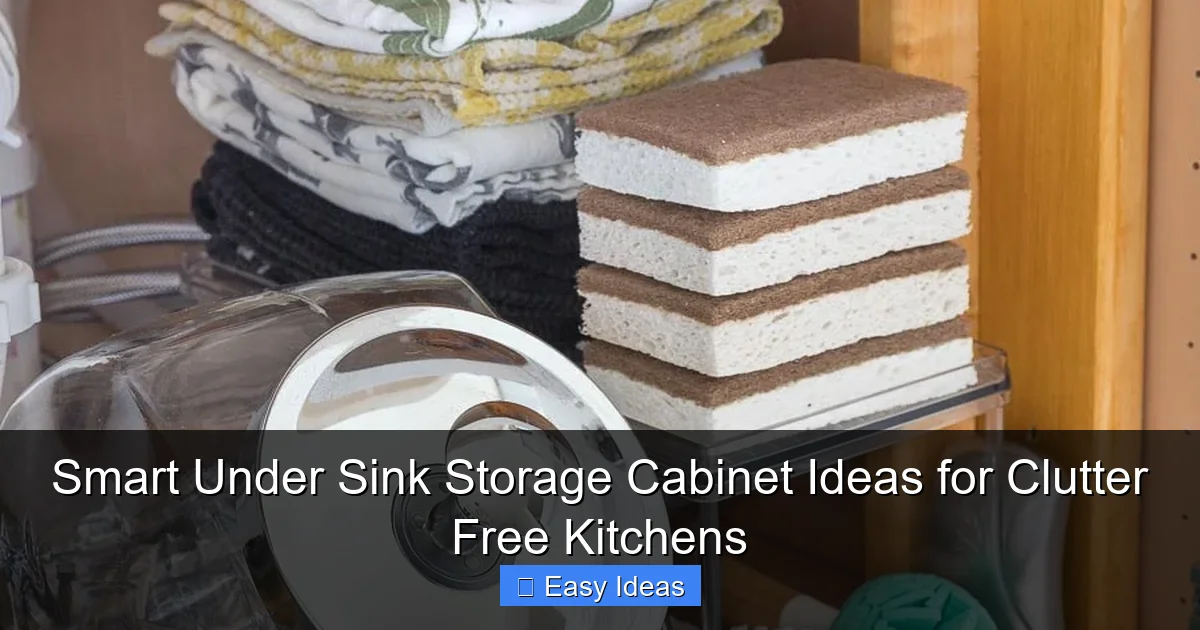
Toss old sponges, recycle empty bottles, and wipe down shelves. This quick maintenance prevents buildup and keeps your system running smoothly.
Keep It Simple
Avoid overcomplicating your system. The more parts and pieces you have, the harder it is to maintain.
Stick to a few core categories: cleaning supplies, trash/recycling, and miscellaneous. If you find yourself constantly rearranging, it might be time to simplify.
Involve the Whole Family
If others use the under sink cabinet, teach them the system. Show them where things go and why organization matters.
Consider color-coding bins or using picture labels for kids. When everyone participates, clutter stays under control.
Creative Ideas for Unique Storage Needs
Not every under sink cabinet is the same. Some people store pet food, others keep compost bins, and some use the space for laundry supplies. Here are a few creative ideas for special situations.
Pet Food and Treat Storage
If you feed your dog or cat in the kitchen, consider storing pet food under the sink. Use an airtight bin to keep kibble fresh and pests out.
Place the bin on a pull-out shelf for easy access. Add a small scoop and a treat jar nearby. Just make sure the area is dry and away from cleaning chemicals.
Compost and Recycling Bins
Many people keep a small compost bin under the sink. Use a pull-out tray to slide it in and out easily.
Pair it with a separate bin for recycling. Label both clearly to avoid confusion. Some systems even include odor-absorbing filters for compost bins.
Laundry Supplies
If your kitchen doubles as a laundry area, store detergent, stain removers, and dryer sheets under the sink.
Use stackable bins to separate liquids from powders. Keep a small hamper or mesh bag for lint or rags.
Conclusion
A smart under sink storage cabinet isn’t just about tidiness—it’s about creating a kitchen that works for you. With the right system, you can turn a chaotic mess into a streamlined, functional space that saves time and reduces stress.
From pull-out shelves to door organizers, there are countless ways to maximize every inch. Whether you go DIY or buy a kit, the key is choosing solutions that fit your lifestyle and maintain them over time.
Start small. Pick one idea—like adding a lazy Susan or labeling your bins—and build from there. Before you know it, your under sink cabinet will be the most organized spot in the kitchen.
And the best part? You’ll never have to dig through a pile of bottles again.
🎥 Related Video: MAXIMIZE YOUR SPACE | Kitchen Under Sink Cabinet Storage Ideas | I-Zay Home
📺 I-ZAY Home
MAXIMIZE YOUR SPACE | Kitchen Under Sink Cabinet Storage Ideas Transform the often-wasted space under your kitchen sink …
Frequently Asked Questions
How much does it cost to upgrade under sink storage?
Costs vary widely. Simple bins and risers start at $10–$20, while full pull-out systems can range from $50 to $150. DIY options are often the most budget-friendly.
Will under sink storage fit around pipes?
Most systems are designed to work around standard plumbing. Look for adjustable or cut-to-fit options, or choose bins that can be placed on either side of the pipe.
Can I use under sink storage for food items?
It’s not recommended due to moisture and chemical exposure. Store food in dry, cool areas like pantry shelves instead.
Do I need tools to install under sink organizers?
Some systems are tool-free and use adhesive or tension rods. Others, like pull-out drawers, require drilling. Check the product details before buying.
What’s the best way to store trash bags under the sink?
Use a dedicated bin or hanging organizer. Some systems include a built-in trash bag dispenser that keeps rolls neat and accessible.
How do I prevent mold under the sink?
Keep the area dry, fix leaks promptly, and use moisture-resistant materials. Wipe down surfaces regularly and ensure good airflow by not overstuffing the cabinet.