Maximize Space with an Under Sink Storage Organizer
Tired of cluttered under-sink cabinets? An under sink storage organizer transforms wasted space into a neat, functional zone for cleaning supplies, trash bags, and more. Simple, affordable, and effective—it’s the ultimate kitchen upgrade.
Key Takeaways
- Declutter instantly: Organize cleaning bottles, sponges, and trash bags in one accessible spot.
- Save time daily: Find what you need fast—no more digging through tangled messes.
- Protect pipes and cabinets: Use organizers with drip trays or waterproof materials to prevent leaks and damage.
- Customize your setup: Choose pull-out shelves, stackable bins, or tiered racks to fit your space.
- Boost home value: A tidy kitchen impresses guests and potential buyers alike.
- Easy DIY project: Most organizers install in minutes—no tools or handyman needed.
- Eco-friendly bonus: Reduce plastic waste by storing bulk refills neatly under the sink.
Quick Answers to Common Questions
What can I store in an under sink organizer?
You can store cleaning supplies, trash bags, sponges, dishwasher pods, compost bins, and even small appliances. Just avoid storing food or anything sensitive to moisture.
Do under sink organizers damage cabinets?
No, most are designed to be gentle. Use non-slip pads or drip trays to protect surfaces, especially if you have wooden cabinets.
Can I install an organizer myself?
Yes! Most under sink storage organizers are tool-free and take just minutes to set up. No handyman required.
What if my cabinet has pipes in the way?
Choose adjustable or modular organizers that can fit around pipes. Tension rods and stackable bins are great for irregular spaces.
Are there eco-friendly options?
Absolutely. Look for organizers made from recycled plastic, bamboo, or other sustainable materials. Many brands now offer green alternatives.
📑 Table of Contents
- Why Your Under Sink Space Deserves Better
- What Is an Under Sink Storage Organizer?
- How to Choose the Right Organizer for Your Space
- Step-by-Step: How to Install and Set Up Your Organizer
- Creative Ways to Use Your Under Sink Organizer
- Common Mistakes to Avoid
- Maintaining Your Organized Space
- Final Thoughts: Small Change, Big Impact
Why Your Under Sink Space Deserves Better
Let’s be honest—your under-sink cabinet is probably a disaster zone. It’s where cleaning sprays go to get lost, trash bags tangle into knots, and that one sponge seems to multiply overnight. You open the door, sigh, and hope today’s the day you’ll find the dish soap… only to knock over three bottles in the process. Sound familiar?
That cramped, dark space under your kitchen sink doesn’t have to be a black hole for chaos. With a little planning and the right under sink storage organizer, you can turn it into one of the most efficient spots in your home. Think of it as your kitchen’s secret weapon—hidden in plain sight, but working hard every day.
The truth is, most of us ignore this valuable real estate. We shove things in, close the door, and forget about it—until we need something urgently. But when you organize it properly, you’ll wonder how you ever lived without it. Not only does it save time, but it also reduces stress. Imagine opening that cabinet and seeing everything neatly lined up, labeled, and within reach. That’s the power of a simple organizer.
What Is an Under Sink Storage Organizer?
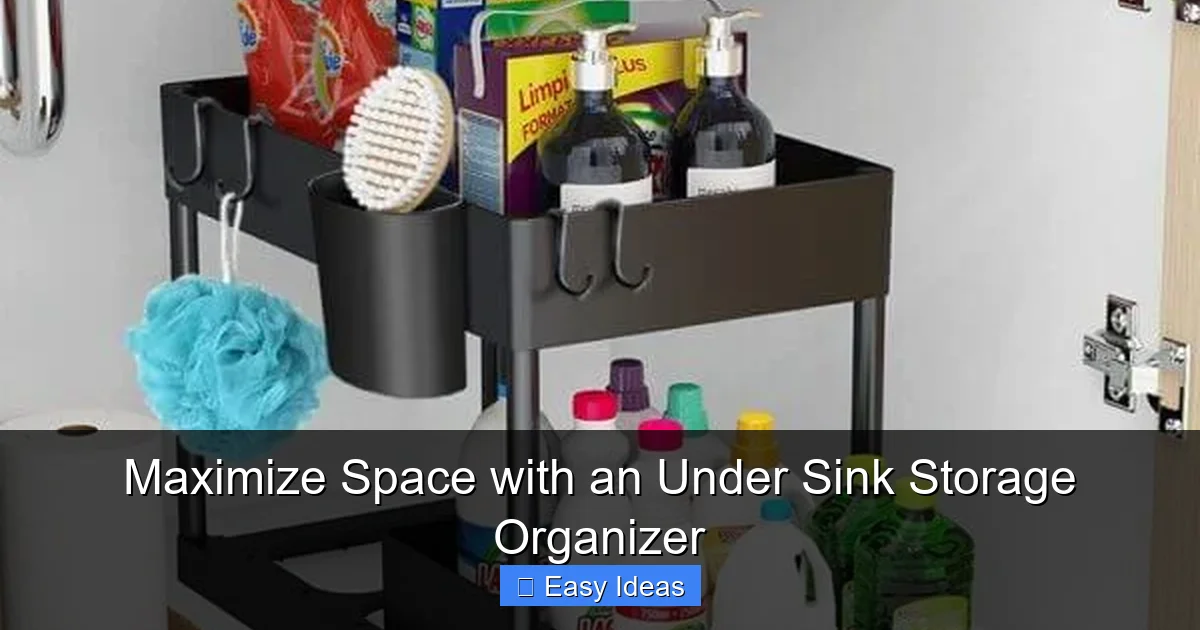
Visual guide about Maximize Space with an Under Sink Storage Organizer
Image source: topkitchengadget.com
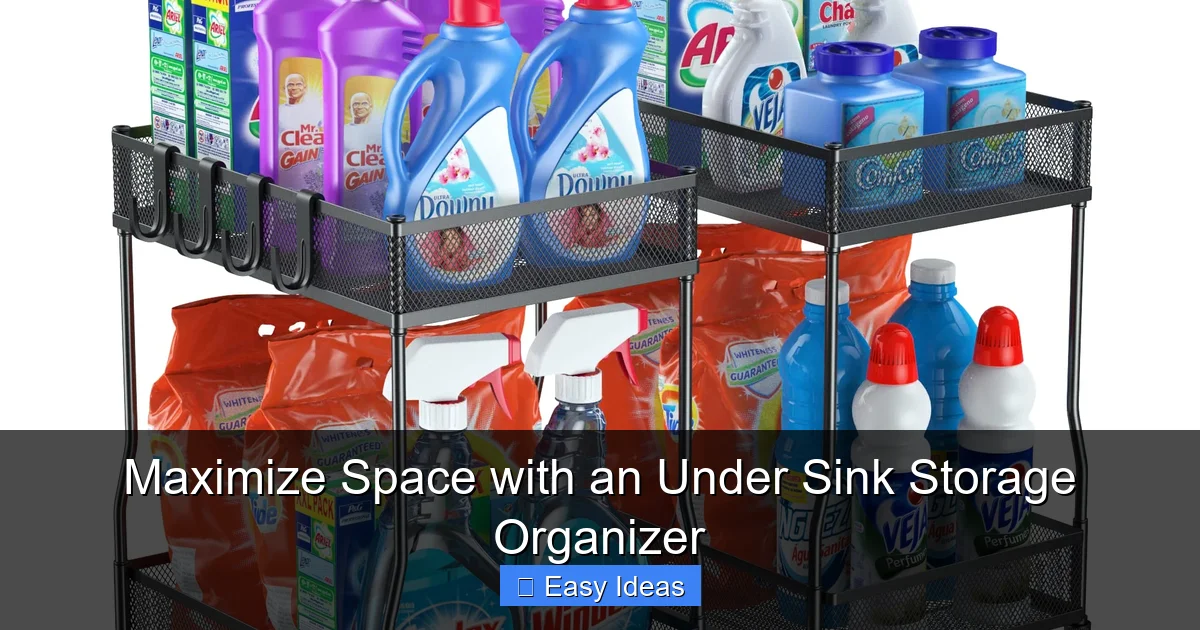
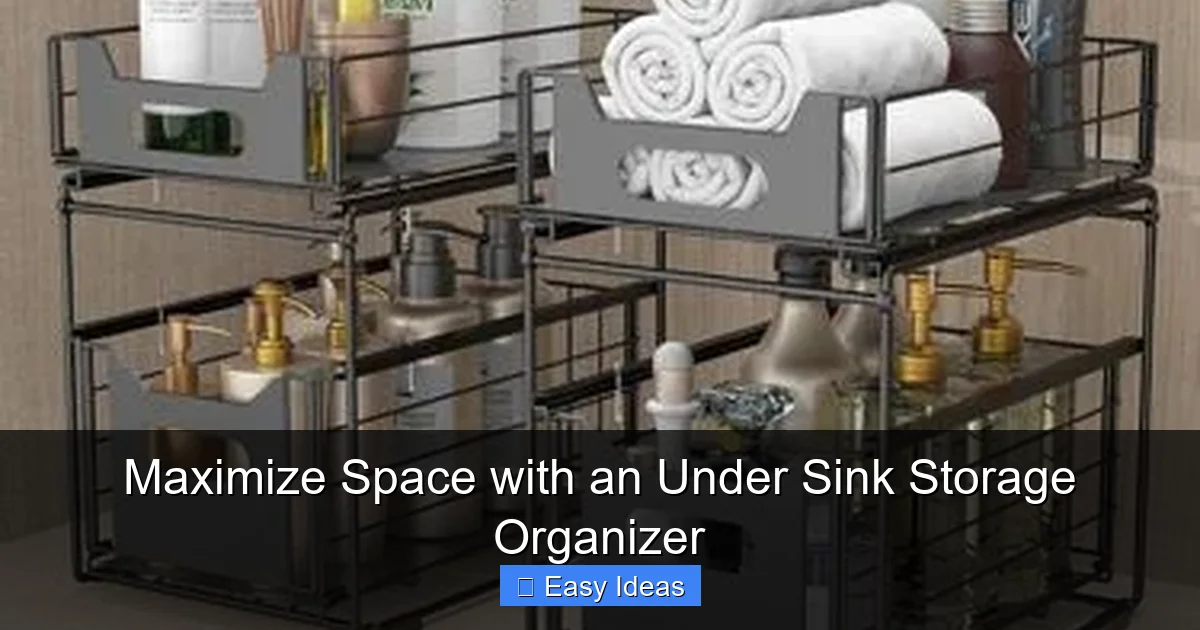
An under sink storage organizer is a system—or set of tools—designed to maximize the vertical and horizontal space beneath your kitchen or bathroom sink. These organizers come in many forms: pull-out shelves, stackable bins, tension rods, lazy Susans, and modular drawer units. Their goal? To help you store cleaning supplies, trash bags, sponges, brushes, and other essentials in a way that’s both accessible and tidy.
Unlike bulky furniture or permanent installations, most under sink organizers are lightweight, portable, and easy to install. Many require no tools at all—just slide them in, adjust the height or width, and start loading. Some are even adjustable to fit around pipes, garbage disposals, or uneven cabinet bases.
The best part? They’re not just for cleaning products. You can use them to store dishwasher pods, reusable produce bags, compost bins, or even small appliances like a hand mixer or immersion blender. The key is choosing a system that matches your habits and space.
Types of Under Sink Organizers
There’s no one-size-fits-all solution. The right organizer depends on your cabinet size, what you’re storing, and how you like to access things. Here are the most popular types:
– **Pull-Out Shelves:** These slide out like drawers, giving you full access to the back. Great for heavy bottles or tall items.
– **Stackable Bins:** Clear plastic bins with handles let you see contents and lift them out easily. Perfect for grouping similar items.
– **Tiered Racks:** These create multiple levels, so you can store short items in front and tall ones in back without blocking visibility.
– **Tension Rods:** Installed horizontally, they hold spray bottles upright and prevent spills. Bonus: they double as hanging spots for scrub brushes.
– **Lazy Susans:** Rotating trays make it easy to reach items in the corner. Ideal for small bottles or frequently used tools.
– **Modular Drawer Systems:** Customizable units with dividers and removable trays. Best for serious organizers who want precision.
How to Choose the Right Organizer for Your Space
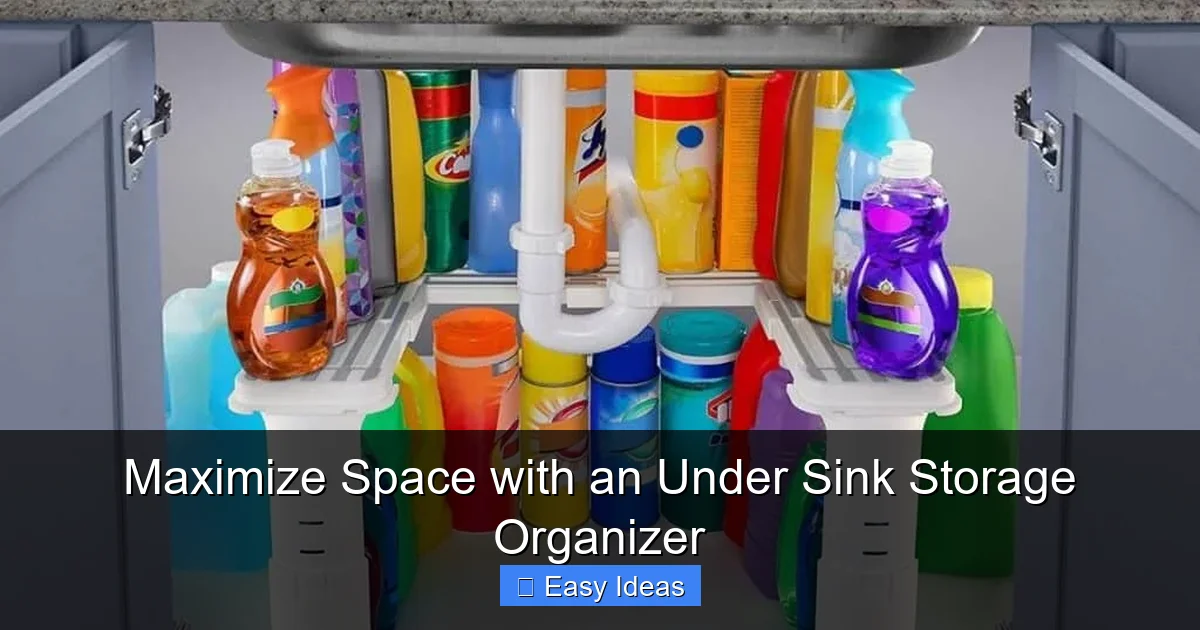
Visual guide about Maximize Space with an Under Sink Storage Organizer
Image source: healthierspaces.com
Picking the perfect under sink storage organizer starts with measuring. Grab a tape measure and check the width, depth, and height of your cabinet. Don’t forget to account for pipes, the garbage disposal, or any uneven flooring. A few inches can make a big difference.
Next, think about what you’re storing. If you have a lot of tall spray bottles, you’ll need vertical space. If you keep trash bags and compost bins, you might prefer wide, shallow bins. Do you reach under the sink daily? Then easy access is key—opt for pull-out shelves or open bins.
Also consider your lifestyle. If you’re eco-conscious, look for organizers made from recycled or sustainable materials. If you have kids or pets, choose sturdy, tip-resistant designs with secure lids. And if you’re renting, avoid permanent installations—go for tension-based or freestanding options.
Budget-Friendly Options
You don’t need to spend a fortune to get organized. Many effective under sink storage organizers cost under $30. Dollar stores and discount retailers often carry affordable bins and trays. IKEA, The Container Store, and Amazon offer stylish, functional options at various price points.
For example, a set of three clear stackable bins with handles can cost as little as $15 and instantly transform your cabinet. Add a tension rod for $8, and you’ve got a complete system for under $25. Compare that to the cost of replacing damaged cabinets from leaks or the time wasted searching for supplies—it’s a no-brainer.
DIY vs. Ready-Made Organizers
Love a good DIY project? You can create your own under sink storage using repurposed items like shoeboxes, muffin tins, or old drawers. Line boxes with non-slip mats, add labels, and stack them for a custom look.
But if you’re short on time or prefer a polished finish, ready-made organizers are the way to go. They’re designed with ergonomics and durability in mind. Many come with non-slip bases, rust-resistant coatings, and easy-clean surfaces. Plus, they often include extras like labels or dividers.
Step-by-Step: How to Install and Set Up Your Organizer
Visual guide about Maximize Space with an Under Sink Storage Organizer
Image source: i.pinimg.com
Ready to get started? Here’s a simple guide to setting up your under sink storage organizer in under 30 minutes.
Step 1: Empty and Clean
Remove everything from under the sink. Wipe down the cabinet with a mild cleaner and let it dry. This gives you a fresh start and helps you see exactly what you have.
Step 2: Sort and Declutter
Group items by category: cleaning sprays, sponges, trash bags, etc. Toss expired products, duplicates, or things you never use. If it’s been under the sink for over a year and you haven’t touched it, it’s probably safe to let it go.
Step 3: Measure and Plan
Measure your space again. Sketch a quick layout: where will the tall bottles go? Where will the bins sit? Plan for easy access—frequently used items should be in front.
Step 4: Install the Organizer
Follow the manufacturer’s instructions. For tension rods, twist to expand until snug. For pull-out shelves, slide into place. Stack bins neatly, leaving room to open cabinet doors fully.
Step 5: Load and Label
Place items in their designated spots. Use labels or color-coded bins to make finding things even easier. Store heavy items on lower shelves for stability.
Step 6: Maintain Regularly
Every few weeks, do a quick check. Wipe down bins, restock supplies, and toss anything expired. A little maintenance keeps your system running smoothly.
Creative Ways to Use Your Under Sink Organizer
Think beyond cleaning supplies! Your under sink storage organizer can do double—or even triple—duty.
Store Compost and Recycling
Use separate bins for compost scraps, recyclables, and trash. Label them clearly and place them side by side. This makes sorting waste quick and eco-friendly.
Organize Dishwasher and Laundry Supplies
Keep dishwasher pods, rinse aids, and laundry pods in labeled bins. Add a small tray for measuring cups or scoops. No more fumbling with sticky bottles.
Create a “Cleaning Caddy” Station
Designate one bin as your portable cleaning kit. Fill it with microfiber cloths, all-purpose spray, glass cleaner, and a scrub brush. Grab it and go—perfect for quick touch-ups.
Hide Unsightly Items
Use opaque bins or decorative baskets to conceal things like extra trash bags, plumbing tools, or emergency supplies. Out of sight, but not out of mind.
Maximize Corner Space
Install a lazy Susan or corner shelf to use every inch. Store rarely used items like oven cleaner or drain snakes here.
Common Mistakes to Avoid
Even the best organizers can fail if you make these common errors.
Overloading the Space
Stuffing too much under the sink defeats the purpose. Leave room to breathe—overcrowding makes it hard to access items and increases spill risks.
Ignoring Pipe Protection
Always use drip trays or waterproof bins, especially under leak-prone areas. A small leak can ruin cabinets and flooring if not contained.
Choosing the Wrong Size
An organizer that’s too big won’t fit. One that’s too small wastes space. Measure twice, buy once.
Skipping Labels
Without labels, even the neatest system can become confusing. Use a label maker or sticky notes to identify contents.
Forgetting Accessibility
Store daily-use items at eye level or in front. Tuck less-used items in the back or bottom.
Maintaining Your Organized Space
Organization isn’t a one-time fix—it’s a habit. Set a reminder every month to do a quick refresh. Wipe down surfaces, check expiration dates, and reorganize if needed.
Involve the whole family. Teach kids where things go so they can help put items back. Make it a team effort.
And remember: simplicity wins. The easier your system is to use, the more likely you’ll stick with it. Start small, celebrate progress, and enjoy your clutter-free cabinet.
Final Thoughts: Small Change, Big Impact
An under sink storage organizer might seem like a minor upgrade, but its impact is huge. It saves time, reduces stress, and makes your kitchen more functional. Plus, it’s one of the easiest home improvements you can make.
You don’t need a full renovation or a big budget. Just a few smart choices and a little effort. Once you experience the joy of opening your cabinet and finding everything in place, you’ll wonder why you waited so long.
So go ahead—take back that under-sink space. Your future self will thank you.
🎥 Related Video: 10-Minute Under-Sink Organization: Transform Your Space with Just 3 Simple Organizers!
📺 Keep It Simple Sparkles
Deep under-sinks DON’T have to be the worst! **Transform Your Under-Sink Chaos in Just 10 Minutes with Three Simple …
Frequently Asked Questions
How do I measure my under sink space?
Use a tape measure to check the width, depth, and height of your cabinet. Measure from the back to the front, side to side, and from the floor to the bottom of the sink. Don’t forget to account for pipes or the garbage disposal.
Can I use an under sink organizer in a bathroom?
Yes! Bathroom sinks often have similar storage needs—cleaning supplies, toiletries, and spare towels. Just choose a moisture-resistant organizer to prevent mold.
What’s the best material for an under sink organizer?
Plastic is lightweight, waterproof, and affordable. Metal is durable but can rust. Bamboo looks great but may warp in damp conditions. Choose based on your climate and usage.
How often should I reorganize under the sink?
Aim for a quick check every month and a deep clean every 3–6 months. This keeps things fresh and prevents clutter from building up again.
Can I use bins without a frame or shelf?
Yes, freestanding bins work well if your cabinet is stable. Just make sure they’re not too heavy when full and won’t tip over when you pull them out.
Do under sink organizers work in small apartments?
Absolutely. In fact, they’re ideal for small spaces where every inch counts. Compact bins, tension rods, and stackable systems maximize limited storage efficiently.