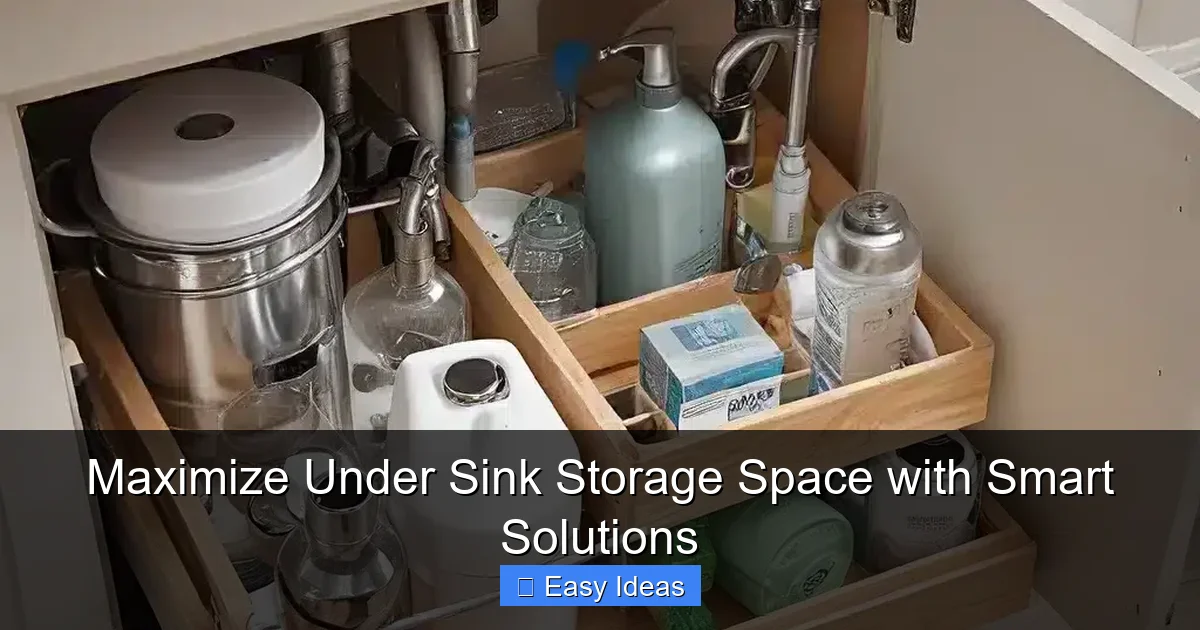
Maximize Under Sink Storage Space with Smart Solutions
Struggling with a cramped, messy under-sink cabinet? You’re not alone. This often-overlooked space can become a cluttered catch-all for cleaners, sponges, and forgotten bottles. But with a few smart under sink storage solutions, you can transform it into an organized, functional zone that saves time and reduces stress.
Key Takeaways
- Measure your space first: Knowing the exact dimensions of your under-sink cabinet ensures you choose the right organizers and avoid buying items that don’t fit.
- Use vertical space wisely: Stackable bins, tiered shelves, and pull-out racks help you make the most of limited height and depth.
- Group items by category: Keep cleaning supplies, sponges, trash bags, and tools in separate zones for quick access and less chaos.
- Invest in adjustable organizers: Modular systems let you customize layouts as your needs change over time.
- Protect surfaces from moisture: Use waterproof trays or liners to prevent damage from leaks or spills.
- Label everything: Clear labels on bins or containers help everyone in the household find what they need—and put things back where they belong.
- Think beyond cleaning products: Store reusable bags, pet supplies, or even small appliances under the sink to free up other cabinet space.
Quick Answers to Common Questions
What’s the best way to measure under-sink space?
Clear out the cabinet, then use a tape measure to record the height, width, and depth. Note any pipes, shelves, or obstacles that could affect storage options.
Can I use under-sink storage for non-cleaning items?
Absolutely! You can store reusable bags, pet supplies, small appliances, or even emergency kits under the sink to free up other cabinet space.
How do I prevent moisture damage under the sink?
Use waterproof trays or liners on the cabinet floor, and check regularly for leaks. Avoid storing paper or cardboard items that can absorb moisture.
Are over-the-door organizers safe for cabinet doors?
Yes, as long as they’re installed correctly. Use strong adhesive hooks or tension rods that won’t damage the door or hinges over time.
What’s the easiest under-sink storage solution for beginners?
Start with clear, stackable bins and labels. They’re affordable, easy to use, and instantly improve visibility and organization.
📑 Table of Contents
Why Under Sink Storage Matters
Let’s be honest—most of us treat the space under the kitchen sink like a black hole. It’s where cleaning bottles go to disappear, sponges multiply, and expired products hide behind newer ones. Before you know it, you’re on your hands and knees, digging through a tangled mess just to find the dish soap. Sound familiar?
But here’s the good news: that awkward, cramped cabinet doesn’t have to be a disaster zone. With a little planning and the right tools, you can turn it into one of the most efficient spots in your kitchen. Under sink storage isn’t just about tidiness—it’s about saving time, reducing frustration, and making daily chores easier. Whether you live in a cozy apartment or a spacious home, maximizing this space means more room elsewhere and a calmer mindset when you open that cabinet door.
Assess Your Space Before You Start
Visual guide about Maximize Under Sink Storage Space with Smart Solutions
Image source: i.pinimg.com
Before buying any organizers, take a few minutes to evaluate what you’re working with. Every under-sink cabinet is different—some have pipes, others have garbage disposals, and many have uneven shelves or doors that swing inward. Start by clearing everything out and giving the area a good wipe-down. Then, grab a tape measure.
Measure the Interior Dimensions
Note the height, width, and depth of the cabinet. Pay special attention to obstacles like water lines, drain pipes, or the garbage disposal unit. These can limit where you place shelves or bins. If your cabinet has a center support beam or a shelf that can’t be removed, factor that into your planning.
Identify What You Store There
Make a list of everything you currently keep under the sink—and what you’d like to store there in the future. Common items include dish soap, all-purpose cleaners, sponges, scrub brushes, trash bags, recycling bins, and even small appliances like a can opener or blender parts. Group similar items together. This will help you decide what type of storage solutions you need.
Consider Accessibility
Think about how often you use each item. Frequently used products like dish soap or sponges should be easy to reach. Less common items, like seasonal cleaners or backup supplies, can go in harder-to-reach spots. Also, consider who uses the space—if kids or elderly family members need access, avoid placing heavy or hazardous items on high shelves.
Smart Under Sink Storage Solutions
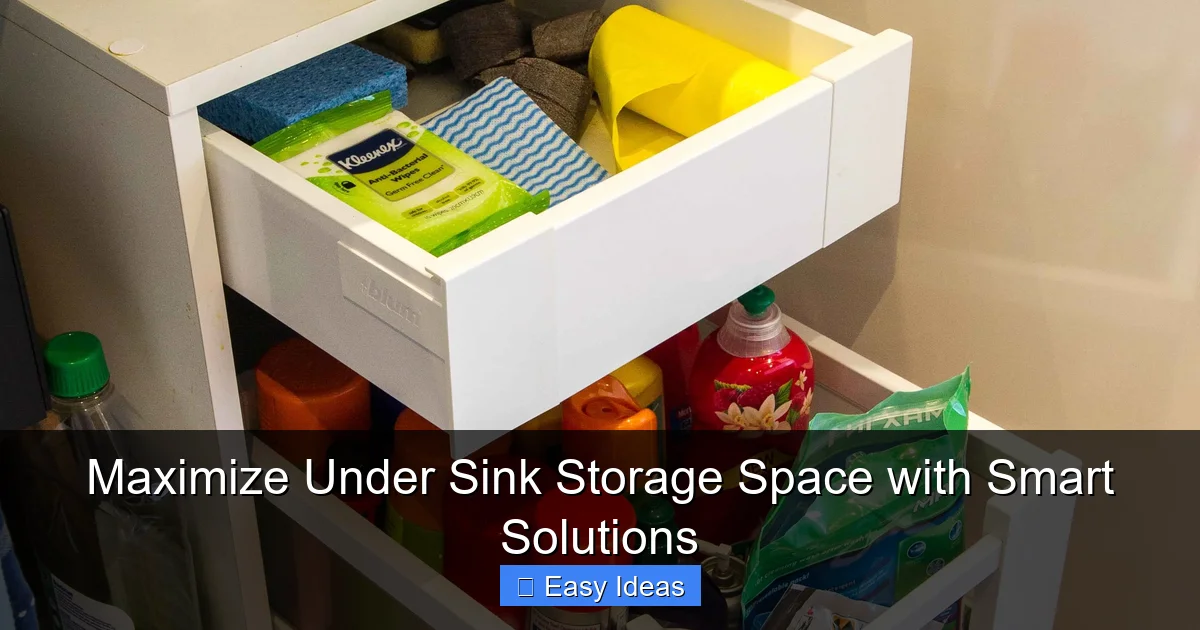
Visual guide about Maximize Under Sink Storage Space with Smart Solutions
Image source: styves.co.za
Now that you’ve assessed your space, it’s time to choose the right tools. The best under sink storage solutions are simple, affordable, and adaptable. Here are some of the most effective options to consider.
Tiered Shelving and Risers
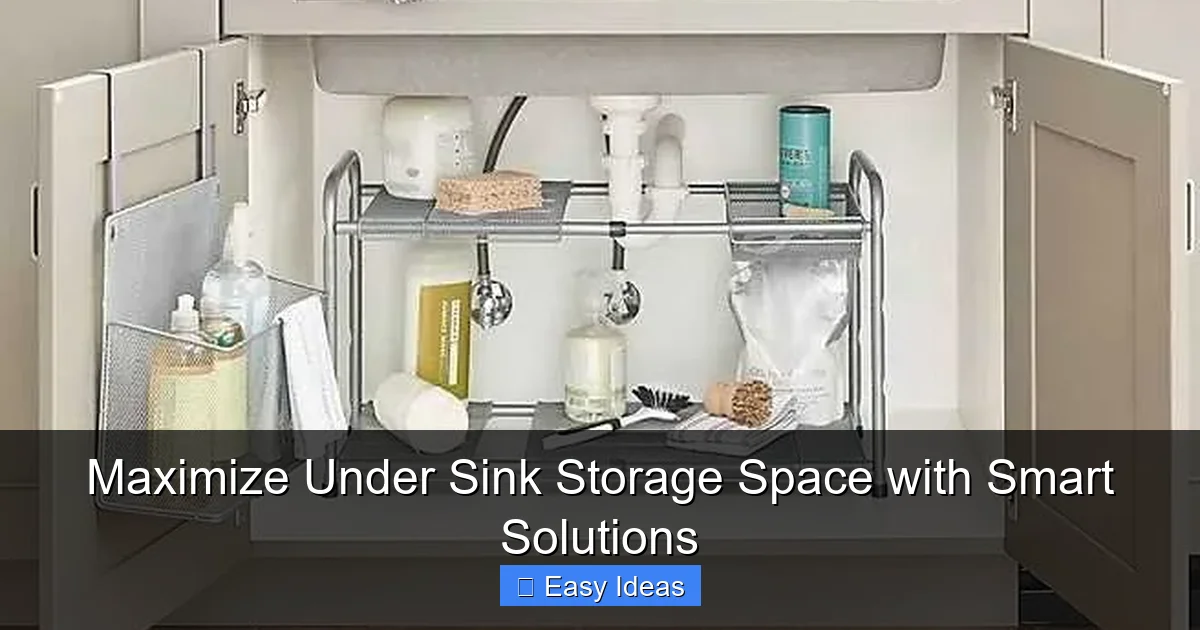
One of the easiest ways to double your storage is by adding tiered shelves or risers. These create multiple levels, so you can store items both in front and behind. Look for adjustable models that let you customize the height between shelves. For example, a two-tier wire shelf can hold tall bottles on the bottom and smaller items like sponges or brushes on top.
Pull-Out Bins and Drawers
If your cabinet has a wide opening, consider installing pull-out bins or drawers. These slide out smoothly, giving you full access to everything inside—no more crawling on the floor. Some models come with dividers, so you can separate cleaning sprays from trash bags. Bonus: many are made from durable, rust-resistant materials like plastic or coated metal.
Over-the-Door Organizers
Don’t forget the inside of the cabinet door! Over-the-door organizers with pockets or hooks are perfect for storing sponges, scrub brushes, or even small bottles. They’re especially useful in tight spaces where every inch counts. Just make sure the hooks or adhesive strips are strong enough to hold the weight without damaging the door.
Stackable Bins and Clear Containers
Clear, stackable bins are a game-changer for under sink storage. They let you see what’s inside without opening every container, and you can stack them to use vertical space efficiently. Use labeled bins for categories like “Cleaning Supplies,” “Sponges & Cloths,” or “Trash & Recycling.” Opt for bins with lids if you’re storing loose items like steel wool or dryer sheets.
Lazy Susans for Corner Cabinets
If your under-sink area includes a corner cabinet, a lazy Susan can make a huge difference. These rotating trays bring items from the back to the front with a simple spin. They’re ideal for storing spray bottles, oils, or condiments that would otherwise get lost in the corners.
DIY and Budget-Friendly Ideas
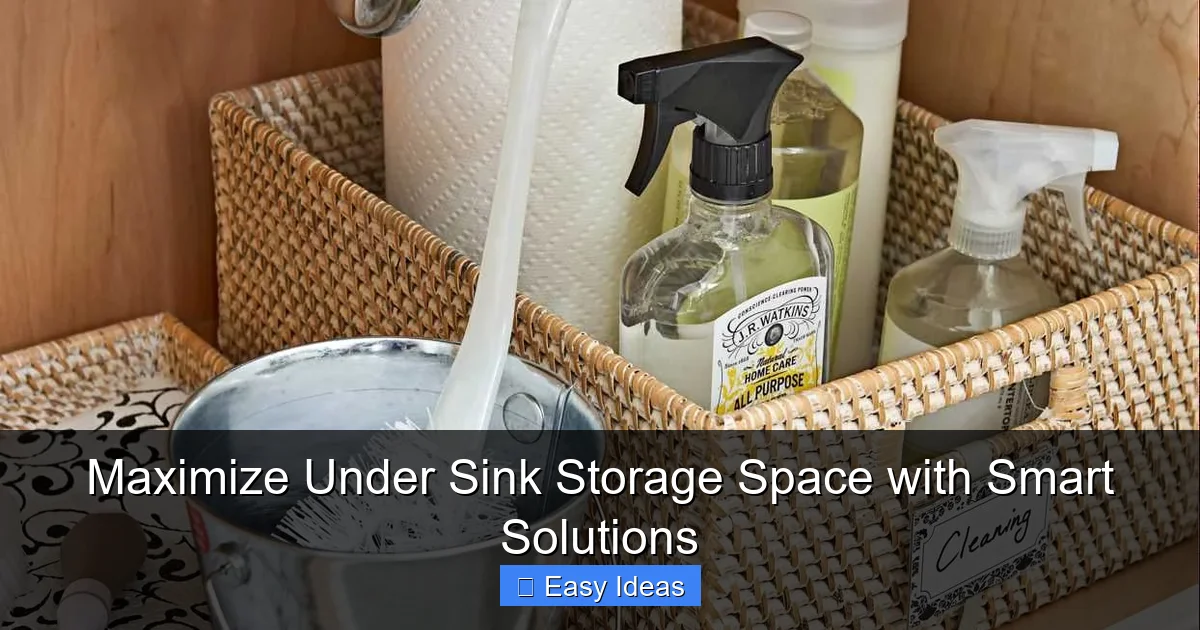
Visual guide about Maximize Under Sink Storage Space with Smart Solutions
Image source: styves.co.za
You don’t need to spend a fortune to get organized. With a little creativity, you can build effective under sink storage using everyday items or inexpensive supplies.
Use Tension Rods for Spray Bottles
Install tension rods horizontally across the cabinet to create slots for spray bottles. This keeps them upright and prevents them from tipping over. It’s a simple fix that costs less than $10 and takes just minutes to set up.
Repurpose Shoe Organizers
A hanging shoe organizer with clear pockets works great under the sink. Hang it on the inside of the door and use the pockets for sponges, scrubbers, or small bottles. It’s lightweight, easy to install, and instantly adds storage without drilling holes.
Create a Custom Shelf with Wood or Plastic
If you’re handy, build a simple shelf using plywood or plastic board. Cut it to fit your cabinet dimensions and secure it with brackets or adhesive strips. Paint or seal it to protect against moisture. This DIY solution is sturdy, customizable, and much cheaper than store-bought organizers.
Use Baskets and Bins You Already Own
Before buying new containers, check your home for unused baskets, bins, or boxes. A woven basket can hold cleaning rags, while a plastic bin can corral trash bags. Just make sure they’re clean and fit well in your space.
Tips for Maintaining an Organized Under Sink
Once you’ve set up your under sink storage, the key is to keep it that way. A little maintenance goes a long way in preventing clutter from building up again.
Do a Monthly Check-In
Set a reminder once a month to quickly review your under-sink area. Toss expired products, wipe down surfaces, and rearrange items if needed. This prevents small messes from becoming big problems.
Return Items to Their Spots
Make it a habit to put things back where they belong after use. If someone grabs the dish soap, they should return it to its designated bin or shelf. Consistency is key to long-term organization.
Use Labels Religiously
Labels aren’t just for kids—they help everyone in the household stay on the same page. Use a label maker or printable stickers to mark bins, shelves, or containers. Clear labels reduce confusion and make cleanup faster.
Watch for Leaks and Moisture
The under-sink area is prone to leaks, especially around pipes or the garbage disposal. Place a waterproof tray or liner on the cabinet floor to catch drips. Check it regularly and replace it if it shows signs of wear.
Creative Ways to Expand Storage Beyond Cleaning Supplies
While cleaning products are the most common under-sink items, this space can do so much more. Think outside the box (or cabinet) to maximize its potential.
Store Reusable Bags and Wraps
Keep reusable grocery bags, produce bags, or beeswax wraps in a labeled bin under the sink. This keeps them handy for shopping and frees up drawer space.
House Pet Supplies
If you have a small pet, store food scoops, toys, or grooming tools under the sink. Use a sealed bin to keep kibble fresh and prevent spills.
Keep Small Appliances Handy
Appliances like a can opener, immersion blender, or electric kettle can live under the sink if they’re not used daily. Just make sure they’re clean and dry before storing.
Create a Mini Emergency Kit
Use a small bin to store essentials like flashlights, batteries, first-aid supplies, or duct tape. In a power outage or minor emergency, you’ll know exactly where to look.
Final Thoughts: Small Space, Big Impact
Transforming your under sink storage doesn’t require a renovation or a big budget. With a few smart choices—like tiered shelves, pull-out bins, and clear labels—you can turn a chaotic cabinet into a streamlined, functional space. The best part? You’ll save time, reduce stress, and enjoy a cleaner, more organized kitchen.
Remember, the goal isn’t perfection—it’s progress. Start small, stay consistent, and adjust as needed. Whether you’re using over-the-door pockets or building a custom shelf, every step brings you closer to a clutter-free under-sink zone. So go ahead—open that cabinet door with confidence. Your future self will thank you.
🎥 Related Video: 10-Minute Under-Sink Organization: Transform Your Space with Just 3 Simple Organizers!
📺 Keep It Simple Sparkles
Deep under-sinks DON’T have to be the worst! **Transform Your Under-Sink Chaos in Just 10 Minutes with Three Simple …
Frequently Asked Questions
How can I organize under-sink storage in a small apartment?
In small spaces, focus on vertical storage and multi-use items. Use tiered shelves, over-the-door organizers, and stackable bins to maximize every inch without overcrowding.
What should I do if my under-sink cabinet has pipes in the way?
Choose adjustable or modular organizers that can fit around pipes. Pull-out bins with cutouts or flexible shelving systems work well in irregular spaces.
Are there eco-friendly under-sink storage options?
Yes! Look for organizers made from recycled plastic, bamboo, or sustainably sourced wood. Reuse baskets or bins you already own to reduce waste.
How often should I reorganize under the sink?
A quick monthly check is ideal. Toss expired products, wipe surfaces, and adjust storage as your needs change throughout the year.
Can I install pull-out drawers myself?
Many pull-out systems come with easy-to-follow instructions and require only basic tools. If you’re unsure, look for no-drill options or consult a professional.
What’s the best way to label under-sink containers?
Use a label maker, printable stickers, or waterproof markers. Keep labels clear and consistent so everyone in the household can understand them.