What Is a Boho Theme and How to Create One
A boho theme blends bohemian style with free-spirited charm, mixing textures, patterns, and global influences for a relaxed, artistic vibe. It’s all about comfort, creativity, and personal expression—perfect for anyone who loves cozy, lived-in spaces with soul.
Key Takeaways
- Bohemian style embraces freedom and individuality: There are no strict rules—mix patterns, colors, and textures to reflect your personality.
- Earthy and warm color palettes dominate: Think terracotta, mustard, olive green, and deep browns paired with creamy neutrals.
- Layering textures is essential: Use rugs, throw pillows, macramé, and woven fabrics to add depth and coziness.
- Global and vintage elements add character: Incorporate handmade items, ethnic prints, and secondhand finds for authenticity.
- Plants bring life and balance: Indoor greenery like pothos, snake plants, or fiddle-leaf figs enhance the natural, relaxed feel.
- Lighting sets the mood: Opt for warm, soft lighting with lanterns, string lights, or rattan pendants.
- Personal touches make it truly boho: Display art, photos, books, and travel souvenirs to tell your unique story.
Quick Answers to Common Questions
What does “boho” stand for?
Boho is short for “bohemian,” a style inspired by free-spirited artists, travelers, and nonconformists who value creativity and individuality.
Can I mix boho with other decor styles?
Absolutely! Boho pairs well with Scandinavian, industrial, or minimalist styles. Just keep the textures warm and the colors earthy.
Do I need a lot of space for a boho theme?
No. Even small spaces can feel boho with layered textiles, plants, and personal decor. Focus on cozy corners and vertical space.
Is boho style expensive?
Not necessarily. Thrift stores, flea markets, and DIY projects make it easy to create a boho look on a budget.
How do I keep my boho space from looking messy?
Balance bold patterns with neutral bases, limit clutter, and use storage baskets to keep things organized while maintaining the relaxed vibe.
📑 Table of Contents
What Is a Boho Theme?
If you’ve ever walked into a room that feels warm, inviting, and full of personality—where every corner tells a story—you’ve likely experienced a boho theme. Short for “bohemian,” this design style is all about embracing freedom, creativity, and a laid-back lifestyle. It’s not about matching everything perfectly or following strict design rules. Instead, it’s about curating a space that feels uniquely yours.
The boho theme draws inspiration from artists, travelers, and free spirits throughout history. Think 1960s hippie culture, Moroccan bazaars, and cozy artist lofts in Paris. It’s a celebration of individuality, where mismatched patterns, rich textures, and global influences come together in harmony. Whether you’re decorating a small apartment or a spacious home, a boho theme can transform any space into a sanctuary of comfort and self-expression.
The Origins and Spirit of Bohemian Style

Visual guide about What Is a Boho Theme and How to Create One
Image source: mir-s3-cdn-cf.behance.net
To truly understand what a boho theme is, it helps to know where it comes from. The term “bohemian” originally referred to people living unconventional lifestyles—artists, writers, and musicians who rejected mainstream norms. In the 19th century, French artists adopted the term to describe their nonconformist way of life, often living in poverty but rich in creativity.
Over time, the bohemian aesthetic evolved into a design movement. It gained popularity in the 1960s and 70s during the counterculture era, when people embraced natural living, global travel, and handmade goods. Today’s boho theme keeps that same spirit alive—valuing authenticity, sustainability, and personal meaning over mass-produced perfection.
What makes boho so appealing is its inclusivity. It doesn’t matter if you live in a city apartment or a countryside cottage. The boho theme adapts to your space and your story. It’s about creating a home that feels lived-in, loved, and full of character.
Core Elements of a Boho Theme

Visual guide about What Is a Boho Theme and How to Create One
Image source: mir-s3-cdn-cf.behance.net
Now that you know the roots of bohemian style, let’s break down the key elements that define a boho theme. These components work together to create that signature relaxed, artistic vibe.
1. Eclectic Mix of Patterns and Textures
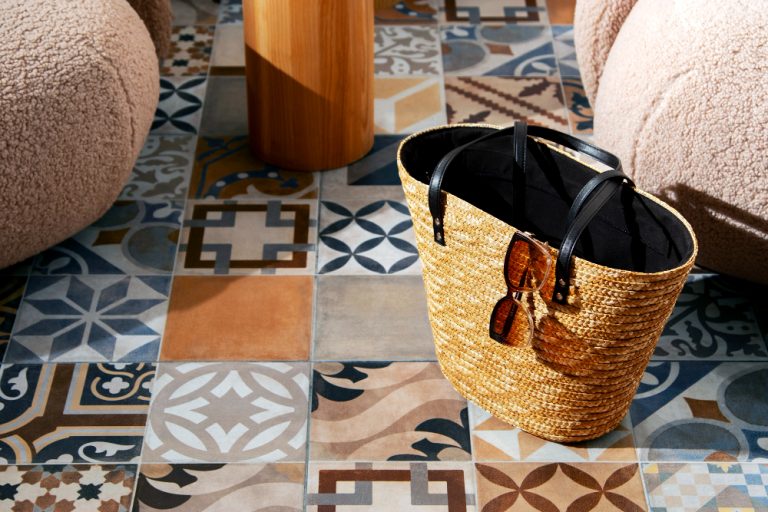
One of the most recognizable features of a boho theme is the fearless mixing of patterns. You’ll often see floral prints paired with geometric designs, tribal motifs, and abstract art—all in the same room. The trick is to balance bold patterns with solid colors and plenty of texture.
Think layered rugs, fringed throws, embroidered cushions, and macramé wall hangings. These textures add depth and warmth, making the space feel cozy and inviting. For example, a jute rug under a velvet sofa with a knitted blanket draped over the arm creates a rich, tactile experience.
2. Earthy and Warm Color Palette
Boho spaces are grounded in natural tones. The color scheme typically includes earthy hues like terracotta, burnt orange, mustard yellow, olive green, and deep brown. These are often paired with creamy whites, soft beiges, and warm grays to keep the look balanced.
Accent colors like deep plum, rust, or turquoise can add pops of vibrancy without overwhelming the space. The key is to avoid cool, sterile colors like bright white or icy blue, which can disrupt the warm, organic feel.
3. Global and Vintage Influences
A true boho theme tells a story of travel and discovery. Incorporate items from different cultures—like a Moroccan pouf, a Turkish kilim rug, or a hand-carved wooden bowl from India. These pieces add authenticity and a sense of adventure.
Vintage and thrifted items are also essential. Look for old books, retro lamps, or antique mirrors at flea markets or estate sales. These one-of-a-kind finds give your space character and history.
4. Natural Materials and Handmade Details
Boho design celebrates craftsmanship and sustainability. Natural materials like rattan, wicker, jute, cotton, and wool are staples. Furniture with woven details, rattan chairs, or a macramé plant hanger all contribute to the handmade, artisanal vibe.
Handmade items—whether it’s a hand-thrown ceramic vase or a hand-stitched quilt—add a personal touch that mass-produced decor can’t replicate.
5. Abundance of Greenery
Plants are a must in any boho space. They bring life, purify the air, and enhance the natural, relaxed atmosphere. Choose low-maintenance indoor plants like pothos, spider plants, or ZZ plants if you’re new to plant care.
Display them in woven baskets, hanging planters, or vintage pots. A cluster of plants in one corner can create a mini indoor jungle—perfect for that wild, untamed boho energy.
How to Create a Boho Theme in Your Home

Visual guide about What Is a Boho Theme and How to Create One
Image source: mir-s3-cdn-cf.behance.net
Ready to bring the boho vibe into your space? Here’s a step-by-step guide to help you create a boho theme that feels authentic and personal.
Start with a Neutral Base
Begin with a neutral foundation—light walls, a simple sofa, or a plain rug. This gives you a blank canvas to layer on textures, colors, and patterns. A white or beige wall, for example, allows your colorful decor to shine without feeling chaotic.
Layer Rugs and Textiles
Rugs are the heart of boho design. Start with a large natural fiber rug like jute or sisal, then layer a smaller patterned rug on top—like a Persian or Moroccan style. This adds visual interest and warmth underfoot.
Add throw pillows and blankets in different fabrics: velvet, linen, cotton, and wool. Mix patterns and colors, but keep the overall tone warm and earthy. A few tassels or fringe details can add that extra boho flair.
Incorporate Global and Vintage Finds
Visit thrift stores, flea markets, or online marketplaces like Etsy or Facebook Marketplace to find unique pieces. Look for vintage lamps, carved wooden furniture, or ethnic textiles.
A vintage Moroccan rug, a retro floor lamp, or a hand-painted screen can become a statement piece in your room. Don’t be afraid to mix old and new—bohemian style thrives on contrast.
Add Plants and Natural Elements
Bring the outdoors in with plenty of greenery. Place plants in corners, on shelves, or hang them from the ceiling. Use natural planters like terracotta pots, woven baskets, or repurposed tin cans.
You can also incorporate other natural elements like driftwood, stones, or dried flowers. A bowl of river stones on a coffee table or a branch hanging from the ceiling adds subtle texture and earthiness.
Play with Lighting
Lighting is crucial for setting the boho mood. Avoid harsh overhead lights. Instead, use warm, soft lighting from table lamps, floor lamps, or string lights.
Rattan or paper lanterns, Edison bulb fixtures, or fairy lights draped over a headboard create a cozy, dreamy atmosphere. Dimmer switches are a great addition—they let you adjust the mood from bright and functional to soft and romantic.
Display Personal Art and Collections
A boho space should reflect your personality. Hang artwork you love—whether it’s a painting, a photograph, or a tapestry. Create a gallery wall with a mix of frames, sizes, and styles.
Display your collections: books, records, crystals, or travel souvenirs. A shelf filled with vintage books and a few trinkets from your trips adds depth and tells your story.
Common Mistakes to Avoid
While boho style is all about freedom, there are a few pitfalls to watch out for.
Overcrowding the Space
It’s easy to go overboard with patterns, textures, and decor. But too much clutter can make a room feel chaotic instead of cozy. Stick to a few statement pieces and leave some breathing room.
Ignoring Functionality
Boho is beautiful, but your space still needs to work for your lifestyle. Make sure there’s enough seating, surface space, and storage. A beautiful room isn’t helpful if you can’t find your keys or sit comfortably.
Using Only Dark Colors
While earthy tones are key, don’t forget to balance them with lighter neutrals. Too many dark colors can make a room feel heavy and small. Use creams, beiges, and whites to open up the space.
Buying Only New Items
One of the charms of boho is its sustainability and authenticity. Try to incorporate secondhand or handmade items instead of buying everything new. It’s better for the planet and adds character.
Conclusion
Creating a boho theme is about more than just decorating—it’s about crafting a space that feels like a true reflection of you. It’s a celebration of creativity, comfort, and connection to the world around us. Whether you’re drawn to the rich textures, global influences, or the relaxed vibe, the boho theme offers endless possibilities for personal expression.
Start small. Add a patterned pillow, hang a macramé plant holder, or bring in a few plants. Over time, your space will evolve into a warm, inviting haven that feels authentically bohemian. Remember, there’s no right or wrong way to do it. The most important thing is that your home feels like a sanctuary—a place where you can breathe, dream, and be yourself.
🎥 Related Video: How to Decorate Boho
📺 Nick Lewis
In this video, I got over how to Decorate in the Boho interior design style! I love this fun, eclectic, unique design style and the way …
Frequently Asked Questions
What is the difference between boho and hippie style?
While both share roots in 1960s counterculture, boho style is more refined and design-focused. It emphasizes curated decor, rich textures, and global influences, whereas hippie style is more about protest symbols, tie-dye, and anti-establishment messaging.
Can I use boho decor in a modern home?
Yes! Modern boho blends clean lines with bohemian elements like plants, textiles, and warm wood tones. It creates a balanced, contemporary yet cozy look.
What kind of furniture works best for boho style?
Look for low-profile, natural wood furniture with woven details. Rattan chairs, vintage sofas, and carved wooden tables all fit the boho theme perfectly.
How do I add boho style to a bedroom?
Use a layered bedspread with textured throws, hang string lights or a macramé wall hanging, add plants, and include a vintage rug beside the bed.
Are there any colors I should avoid in boho design?
Avoid cool, sterile colors like bright white, icy blue, or neon shades. Stick to warm, earthy tones and soft neutrals to maintain the cozy vibe.
Can I DIY boho decor?
Definitely! Try making your own macramé plant hangers, painting thrifted frames, or sewing pillow covers with ethnic fabrics. DIY adds personal charm and saves money.