Best Way to Organize a Small Pantry: Ultimate Space-Saving Hacks
Is your small pantry always cluttered and hard to navigate? You’re not alone.
When space is tight, finding what you need quickly can feel impossible. But imagine opening your pantry and instantly spotting every item without digging through piles. The best way to organize a small pantry isn’t about buying fancy containers or spending hours rearranging.
It’s about smart, simple steps that make a big difference. You’ll discover easy tricks to transform your cramped pantry into a neat, efficient space. Ready to take control of your kitchen and save time every day? Keep reading—you won’t want to miss these game-changing tips.
:max_bytes(150000):strip_icc()/284339884_4993400930757844_2711990896338581937_n-4b73e9692760447ea79f069b484186b0.jpg)
Credit: www.thespruce.com
Assessing Pantry Space
Assessing your pantry space is the first step to organizing it well. Knowing the size and what you need helps create an efficient layout. Small pantries need smart planning to maximize every inch.
Start by understanding the exact space you have. Next, think about the types and amounts of items you want to store. This process makes organizing easier and prevents clutter.
Measuring Dimensions
Measure the height, width, and depth of your pantry. Use a tape measure for accuracy. Write down these numbers to use later. Include shelves and any built-in storage space. Check for odd shapes or obstacles inside. This helps to choose the right containers and shelves. Accurate measurements avoid wasted space and improve organization.
Identifying Storage Needs
Look at the food and supplies you keep in your pantry. Group items by type: canned goods, snacks, spices, etc. Note how much space each group needs. Think about how often you use each item. Store daily items in easy-to-reach places. Bulk or rarely used items can go on higher shelves. This step helps to plan storage solutions that fit your habits and pantry size.
Decluttering Essentials
Decluttering is the first step to organizing a small pantry well. It creates space and makes the pantry easier to manage. Removing items that don’t belong or are no longer useful clears the way for a neat setup.
Focus on essentials only. This keeps the pantry tidy and helps find things quickly. Start with a thorough review of all contents. This sets a strong base for better organization.
Removing Expired Items
Check every product for expiration dates. Toss out anything past its date. Old items can cause clutter and take up needed space. Use a trash bin or compost for disposal. This step helps keep food safe and fresh.
Look inside boxes, jars, and cans. Sometimes, hidden expired items go unnoticed. Clean up spills or crumbs while you remove old goods. A clean pantry feels more welcoming and easier to organize.
Grouping Similar Products
Sort items by type or use. Keep baking supplies together. Place snacks in one area. Grouping similar products saves time and space. It also prevents buying duplicates.
Use containers or baskets for small items. Label them clearly. This makes it easier to maintain order. Arranging products by frequency of use helps too. Put everyday items at eye level for quick access.
Choosing Storage Solutions
Choosing the right storage solutions is key to organizing a small pantry. It helps make the most of limited space. Good storage keeps items visible and easy to reach. It also prevents clutter and waste. Picking practical containers and shelves can transform your pantry quickly.
Using Clear Containers
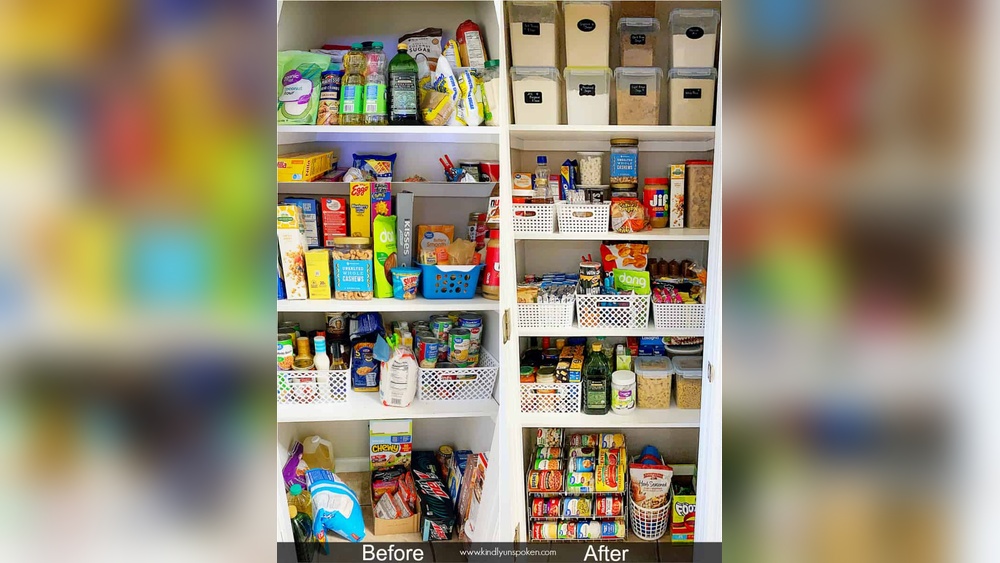
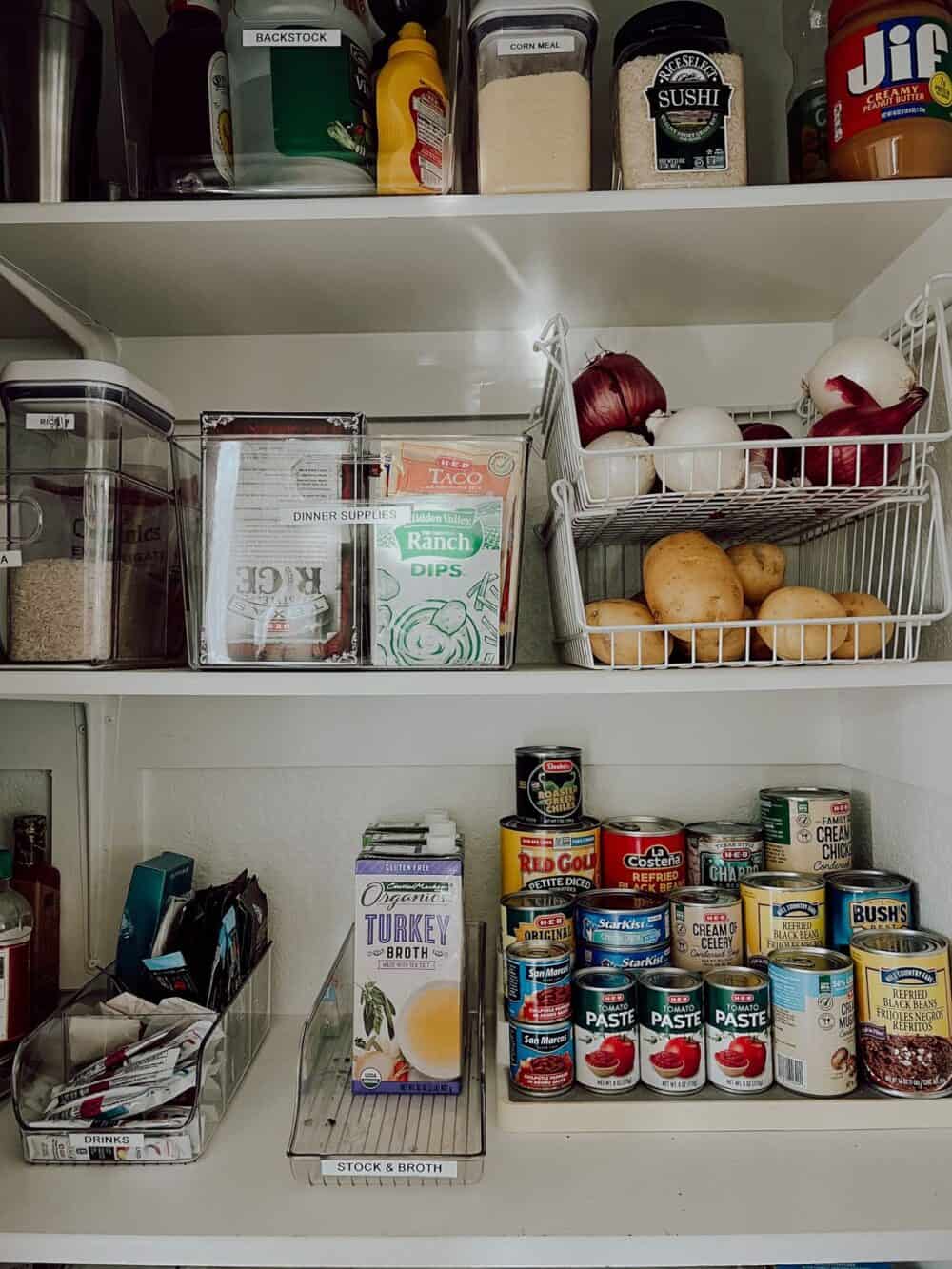
Clear containers show what is inside at a glance. They keep dry foods fresh and protected. Stacking clear containers saves space on shelves. Labels on the containers help find items fast. This method avoids spills and keeps the pantry tidy.
Incorporating Baskets And Bins
Baskets and bins group similar items together. They make small items easy to grab and return. Use baskets for snacks, packets, or baking tools. Bins with handles are simple to pull out. This keeps the pantry neat and organized.
Installing Adjustable Shelves
Adjustable shelves fit different sizes of items. Change shelf heights to store tall bottles or short cans. This flexibility maximizes vertical space in a small pantry. Shelves that adjust reduce wasted space. It allows for a cleaner and smarter setup.
Credit: www.loveandrenovations.com
Maximizing Vertical Space
Small pantries often have limited floor space. Using vertical space helps store more items neatly. It keeps your pantry tidy and easy to use. Shelves, hooks, and organizers can hold many items above eye level. This method makes every inch count.
Adding Over-the-door Organizers
Over-the-door organizers use the space behind the pantry door. They hold spices, snacks, or small bottles. These organizers come with pockets or shelves. They keep items visible and within reach. This saves shelf space for bigger containers.
Stacking Strategically
Stacking items carefully makes use of tall shelves. Use clear containers to see contents easily. Place heavier items at the bottom for stability. Stack similar items together to avoid clutter. Use shelf risers to create extra layers for small jars or cans.
Labeling For Efficiency
Labeling is a simple way to boost pantry organization. It helps find items quickly and keeps things tidy. Clear labels reduce confusion and save time. You know exactly where everything belongs.
Creating Clear Labels
Make labels easy to read at a glance. Use big, bold letters with simple words. Write the name of the item, like “Rice” or “Canned Beans.” Avoid long descriptions. Keep the font neat and consistent. Clear labels help everyone in the home find things fast.
Using Chalkboard Or Printable Tags
Chalkboard tags offer a reusable option. Write with chalk and erase to update labels. Printable tags look clean and professional. Print labels on paper or sticker sheets. Attach them with tape or clips. Both types make your pantry look organized and stylish. Choose what fits your style and needs.
:max_bytes(150000):strip_icc()/ScreenShot2022-06-03at10.32.34AM-ad5e3b631ece4f1c9cc0e33761967e61.png)
Credit: www.thespruce.com
Maintaining Pantry Order
Keeping a small pantry neat takes effort. Order does not stay by itself. Regular care helps keep your pantry tidy and easy to use. Simple habits make a big difference. Clean and organize often to avoid clutter and waste.
Regular Cleaning Schedule
Set a day every week or month for pantry cleaning. Remove all items from shelves. Wipe surfaces with a damp cloth to clear dust and crumbs. Check for expired or spoiled food and throw it away. Return items in order, grouping like products together. A clean pantry looks better and keeps food fresh longer.
Reorganizing Seasonally
Change your pantry setup with the seasons. Store holiday or seasonal foods in easy-to-reach spots when needed. Move out items you use less in other seasons. Check stock and adjust space based on what you need. Seasonal reorganizing helps you use space well and find things fast.
Frequently Asked Questions
How Can I Maximize Space In A Small Pantry?
Use vertical shelves and stackable containers to save space. Install door racks and use clear bins to keep items visible and accessible.
What Are The Best Containers For Pantry Organization?
Opt for airtight, clear containers to keep food fresh. Label each container for easy identification and uniformity.
How Often Should I Clean And Reorganize My Pantry?
Clean and reorganize your pantry every 2-3 months. This prevents clutter and helps track expired or unused items.
What Items Should I Keep In A Small Pantry?
Store non-perishable goods like canned food, grains, and spices. Avoid bulky or rarely used appliances to save space.
Conclusion
A small pantry can feel cluttered quickly. Use clear containers to see items easily. Label shelves to find things fast. Group similar items together for quick access. Keep only what you need to save space. Regularly check for expired products to stay organized.
Simple steps create a neat and tidy pantry. This helps you cook faster and waste less food. Organizing your pantry makes daily life easier. Try these tips and enjoy your clean space.