Creative Toy Storage Ideas Living Room Parents Love
Struggling to keep your living room clutter-free with kids’ toys everywhere? You’re not alone—and the good news is, there are plenty of creative toy storage ideas for the living room that blend function with style. From hidden bins to stylish baskets and multi-functional furniture, these smart solutions help parents maintain a calm, organized space without sacrificing design.
Key Takeaways
- Use multi-functional furniture: Ottomans, benches, and coffee tables with built-in storage keep toys out of sight while adding seating or surface space.
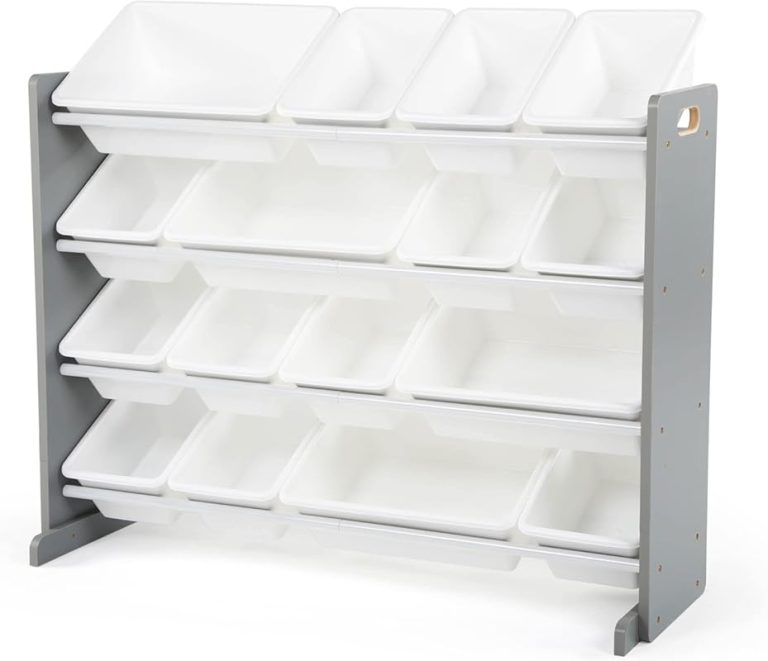
- Choose stylish baskets and bins: Woven baskets, fabric bins, and decorative boxes double as decor and storage, making cleanup a breeze.
- Label everything clearly: Use picture or word labels so kids can easily find and return toys, promoting independence and consistency.
- Create a toy rotation system: Store some toys out of reach and rotate them weekly to reduce clutter and renew interest.
- Incorporate wall storage: Shelves, pegboards, and hanging organizers free up floor space and keep small items accessible.
- Involve your kids in cleanup: Make storage fun with colorful bins, fun labels, and a daily “toy tidy” routine.
- Prioritize safety and accessibility: Store heavy items low and ensure bins are lightweight and easy for little hands to open.
Quick Answers to Common Questions
What’s the best toy storage for a small living room?
Multi-functional furniture like storage ottomans or coffee tables with hidden compartments are ideal for small spaces. They maximize storage without taking up extra room.
How can I get my kids to actually use the toy storage?
Make it fun and easy. Use picture labels, involve them in choosing bins, and create a daily cleanup routine with music or a timer.
Are woven baskets safe for kids?
Yes, as long as they’re made from non-toxic materials and have no loose threads or sharp edges. Choose sturdy, well-made baskets with smooth finishes.
Can I use over-the-door organizers in the living room?
Absolutely! Hang them on closet doors, behind sofas, or even on the back of TV cabinets to store small toys, books, or craft supplies.
How often should I rotate my child’s toys?
Every 1–2 weeks is a good rule of thumb. Rotating toys keeps them feeling new and reduces clutter in the living room.
📑 Table of Contents
- Why Toy Storage in the Living Room Matters
- Multi-Functional Furniture: Storage That Does Double Duty
- Stylish Baskets and Bins: Decor That Organizes
- Wall Storage: Free Up Floor Space
- Labeling and Systems That Work for Kids
- Safety and Accessibility: What to Keep in Mind
- DIY and Budget-Friendly Toy Storage Ideas
- Conclusion: A Calmer, Cleaner Living Room Awaits
Why Toy Storage in the Living Room Matters
Let’s be honest—your living room shouldn’t look like a toy store exploded in it. But with kids in the house, that’s often exactly what happens. Toys end up under the couch, behind the TV, and piled on the coffee table. It’s frustrating, stressful, and makes relaxing feel impossible.
The living room is supposed to be a shared space—a place for family time, movie nights, and unwinding after a long day. But when it’s overrun with action figures, stuffed animals, and building blocks, it loses its charm. That’s why smart toy storage ideas for the living room aren’t just helpful—they’re essential. The right system keeps your home looking clean and calm while still being kid-friendly and functional.
Multi-Functional Furniture: Storage That Does Double Duty
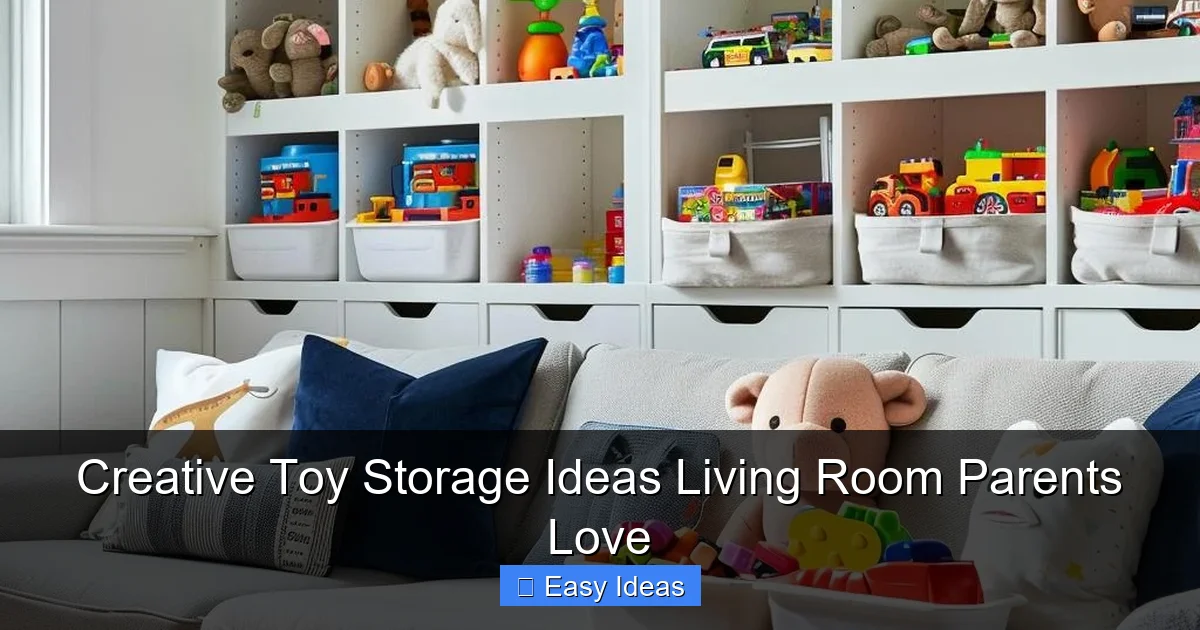
One of the smartest ways to tackle toy clutter is by choosing furniture that pulls double duty. Instead of adding more bins and boxes that take up space, look for pieces that hide storage inside.
Visual guide about Creative Toy Storage Ideas Living Room Parents Love
Image source: america.aarquiteta.com.br
Storage Ottomans and Benches
Storage ottomans are a game-changer. They look like regular footrests or seating, but lift the top to reveal a spacious compartment perfect for plush toys, board games, or art supplies. Choose ones with soft, kid-friendly tops and sturdy lids that won’t pinch little fingers. A storage bench at the end of the couch or near the entryway can also hold shoes, blankets, and toys—keeping everything in one tidy spot.
Coffee Tables with Hidden Compartments
Modern coffee tables often come with drawers, shelves, or lift-top designs that include hidden storage. A sleek wooden table with a lift mechanism can hide coloring books and crayons, while a glass-top table with lower shelves can display a few favorite toys while storing the rest out of sight. This keeps the surface clean for drinks, remotes, and snacks—without sacrificing play space.
Sofa Beds and Sectionals with Storage
If you’re in the market for new seating, consider a sofa bed or sectional with built-in storage. Some models have deep under-seat compartments perfect for storing larger toys or seasonal items. These are especially helpful in smaller living rooms where every inch counts.
Stylish Baskets and Bins: Decor That Organizes
Who says storage has to look boring? With the right baskets and bins, toy storage can actually enhance your living room’s style. The key is choosing containers that match your decor while being practical for kids.
Visual guide about Creative Toy Storage Ideas Living Room Parents Love
Image source: america.aarquiteta.com.br
Woven Baskets for a Natural Look
Woven seagrass or rattan baskets bring warmth and texture to any room. They’re sturdy, spacious, and blend well with neutral or bohemian styles. Use them in corners, under side tables, or on open shelves to corral stuffed animals, blankets, or toy cars. Plus, they’re easy to wipe clean—perfect for sticky fingers.
Fabric Bins with Fun Prints
Fabric bins come in endless colors and patterns—from bold stripes to cute animal prints. These are lightweight, easy to carry, and often have handles for little hands. Choose ones with reinforced bottoms so they don’t collapse when pulled. For a cohesive look, pick a color scheme that matches your living room palette.
Clear Plastic Bins for Visibility
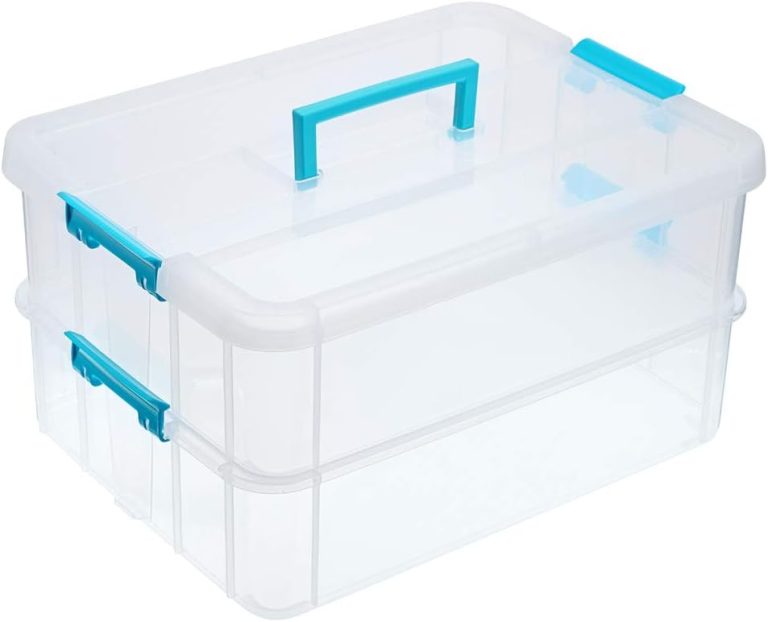
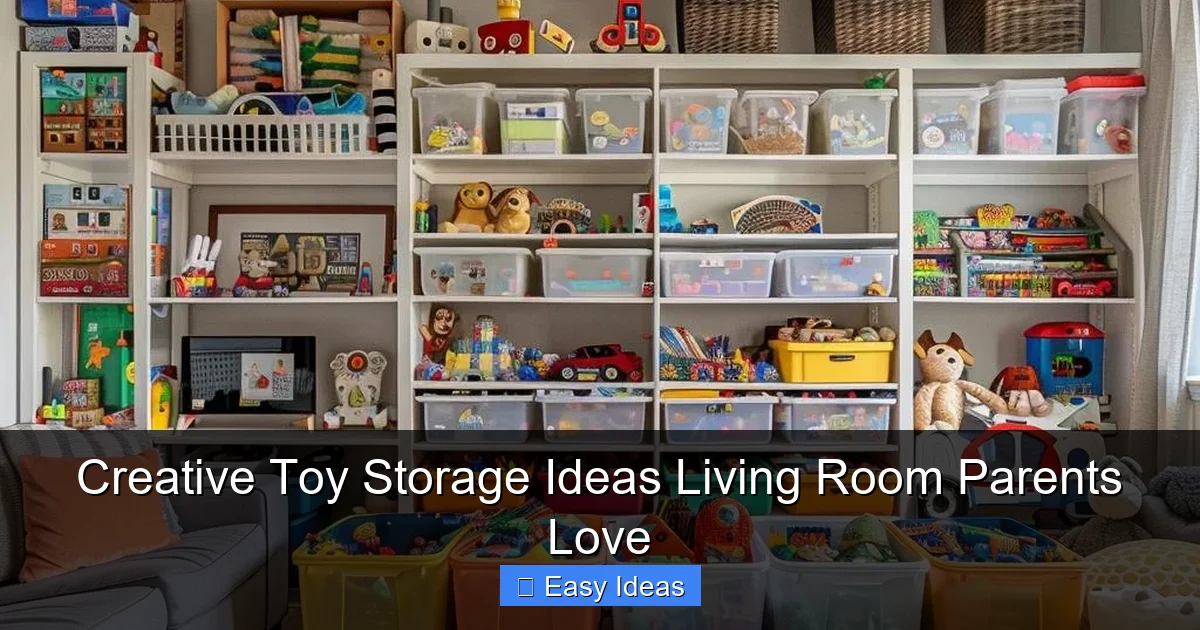
Sometimes, seeing what’s inside is the best way to stay organized. Clear plastic bins let kids (and parents) quickly spot their favorite toys without opening every container. Label them with pictures or words so even toddlers can help with cleanup. Stackable versions save space and work great in closets or behind couches.
Wall Storage: Free Up Floor Space
When floor space is tight, look up—literally. Wall storage solutions keep toys off the ground, reduce tripping hazards, and make the room feel more open.

Visual guide about Creative Toy Storage Ideas Living Room Parents Love
Image source: cdn.decoist.com
Floating Shelves for Display and Storage
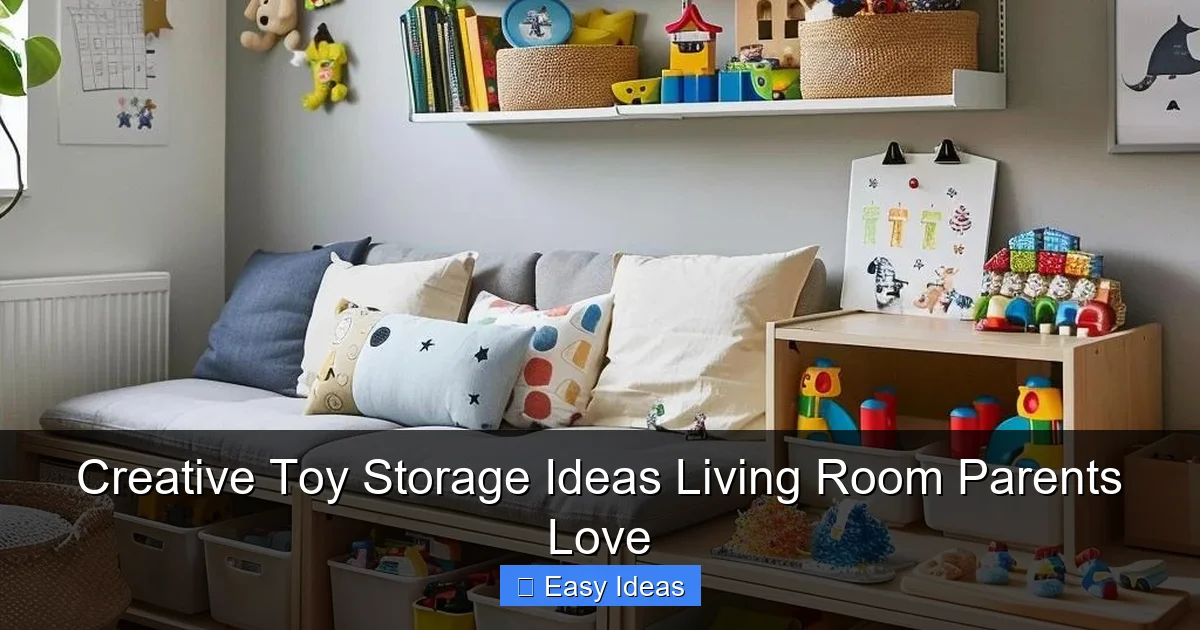
Install floating shelves at kid height to display favorite toys, books, or artwork. Use baskets or small bins on the shelves to hold smaller items like LEGO pieces or action figures. This creates a “toy gallery” that feels intentional, not chaotic. Just make sure shelves are securely anchored to the wall.
Pegboards for Creative Organization
Pegboards aren’t just for garages. With colorful hooks, baskets, and shelves, they can become a fun, customizable toy station in your living room. Hang bins for art supplies, hooks for costumes, or small shelves for books. Kids love the interactive element, and it’s easy to rearrange as their interests change.
Hanging Organizers and Over-the-Door Solutions
Over-the-door shoe organizers with clear pockets are a budget-friendly way to store small toys, puzzles, or craft supplies. Hang one on the back of a closet door or even the TV cabinet. Fabric hanging shelves with multiple compartments also work well for books and soft toys, and they fold flat when not in use.
Labeling and Systems That Work for Kids
No storage system works if no one uses it. The secret to long-term success? Make it easy—and fun—for kids to participate.
Use Picture Labels for Younger Kids
Not all kids can read yet, so picture labels are a must. Take photos of the toys inside each bin and tape them to the front. Or use simple icons—like a car for toy vehicles or a teddy bear for stuffed animals. This helps toddlers and preschoolers put things back where they belong.
Create a “Toy Tidy” Routine
Set a daily cleanup time—like before dinner or bedtime—and make it part of the routine. Play a fun cleanup song, use a timer, or turn it into a game. “Who can put five toys away first?” Consistency builds habits, and over time, kids will do it without being asked.
Try a Toy Rotation System
You don’t need all toys out at once. Store half in a closet or under the bed and rotate them every week or two. This reduces clutter, keeps toys feeling fresh, and makes cleanup faster. It also helps prevent overwhelm—both for kids and parents.
Safety and Accessibility: What to Keep in Mind
Great storage isn’t just about looks—it’s about safety and usability. Here’s how to make sure your system works for the whole family.
Choose Lightweight, Kid-Friendly Containers
Heavy bins are hard for little arms to lift and can be dangerous if they tip over. Opt for lightweight plastic or fabric bins with easy-grip handles. Avoid containers with sharp edges or small parts that could be choking hazards.
Store Heavy Items Low
Follow the same rule as in the kitchen: heavy items belong on lower shelves. Keep large toys, board games, or bins with blocks on the bottom. This prevents accidents and makes it easier for kids to access what they need.
Anchor Furniture and Shelves
Any tall furniture or wall-mounted shelves should be securely anchored to the wall to prevent tipping. This is especially important in homes with active toddlers who love to climb. Use anti-tip straps or brackets for peace of mind.
DIY and Budget-Friendly Toy Storage Ideas
You don’t need to spend a fortune to create a great toy storage system. With a little creativity, you can repurpose everyday items or make your own solutions.
Repurpose Old Furniture
An old bookshelf can become a toy organizer with the addition of bins or baskets. A dresser with drawers can store puzzles, art supplies, or dress-up clothes. Sand and paint it to match your living room for a custom look.
Use Drawer Dividers for Small Items
Small toys like LEGO, beads, or figurines get lost easily. Use drawer dividers, muffin tins, or ice cube trays to keep them sorted. These inexpensive tools turn any drawer into a mini-organizer.
Make Your Own Fabric Bins
If you’re handy with a sewing machine, make custom fabric bins to fit your space. Use durable cotton or canvas and add handles for easy carrying. Choose fun patterns that match your child’s personality or your room’s theme.
Conclusion: A Calmer, Cleaner Living Room Awaits
Finding the right toy storage ideas for the living room doesn’t have to be overwhelming. With a mix of smart furniture, stylish bins, wall solutions, and kid-friendly systems, you can create a space that’s both beautiful and functional. The goal isn’t perfection—it’s progress. Start small, involve your kids, and celebrate every tidy corner.
Remember, the best storage system is one that fits your family’s lifestyle. Whether you go for a sleek storage ottoman, a colorful pegboard, or a simple basket under the coffee table, the result is the same: a living room that feels like home again. And that’s something every parent can love.
🎥 Related Video: REAL HOME TOUR: Kid-friendly Living Room Design Tips (Plus Toy Storage Ideas) | Julie Khuu
📺 Julie Khuu
REAL HOME TOUR: Kid-friendly Living Room Design (Plus Toy Storage Ideas) | Julie Khuu Thank you to MACH for sponsoring …
Frequently Asked Questions
What are the easiest toy storage ideas for beginners?
Start with simple solutions like fabric bins, storage ottomans, or over-the-door organizers. These require no installation and can be used right away.
How do I hide toys without making the room look messy?
Use closed storage like baskets, bins, or furniture with lids. Choose containers that match your decor so they blend in seamlessly.
Can toy storage be stylish?
Yes! Many storage options—like woven baskets, modern ottomans, and floating shelves—double as decor and enhance your living room’s look.
What’s the best way to store LEGO and small toys?
Use small, labeled bins or drawer dividers. Clear containers work well so kids can see what’s inside without opening everything.
How do I prevent toy storage from becoming a dumping ground?
Set clear rules, use labels, and involve kids in cleanup. Rotate toys regularly and only keep what fits in your system.
Is it okay to store toys in the living room?
Yes—especially if it’s a shared family space. The key is using smart storage solutions that keep the room tidy and functional for everyone.