What Glue to Use for Side Mirror? [Read To Know More]
Finding out what glue to use for a side mirror repair can save you a costly trip to the mechanic. The best choices include specialized automotive adhesives, epoxy, and polyurethane glue, depending on whether you are fixing the glass or the entire plastic housing. Always clean the surface thoroughly and use proper clamping to ensure a permanent bond.
Have you ever walked out to your car, only to find that your side mirror is hanging by a wire or lying completely shattered on the driveway? It is a sinking feeling. A broken side mirror is not only an aesthetic eyesore, but it is also a major safety hazard that can get you pulled over by the police. When this happens, your first instinct might be to grab whatever sticky
substance is sitting in your junk drawer. But before you do, you need to know what glue to use for side mirror repairs to ensure it stays put.
Not all adhesives are created equal. Your car faces extreme conditions every single day. It has to endure freezing winter snow, scorching summer heat, pouring rain, and constant vibrations from driving down bumpy roads. If you use the wrong product, your newly fixed mirror might just fly off the very next time you merge onto the highway. In this guide, we will walk you through the exact types of adhesive you need, how to prep your car, and the step-by-step process to get your side mirror looking as good as new.
Key Takeaways
- Use Automotive Grade: Standard household glues like school glue or basic craft glue will not withstand outdoor weather and vibrations.
- Match Adhesive to Material: Choose epoxy for hard plastic and glass, or polyurethane for flexibility against road bumps.
- Surface Prep is Everything: Clean off old adhesive, dirt, and grease with rubbing alcohol for a strong, lasting hold.
- Curing Time Matters: Give your chosen glue at least 24 hours to fully cure before driving on the highway.
- Safety First: Wear gloves and protective eyewear, especially when handling broken glass shards.
- Temporary Fixes: Use painter’s tape to hold the mirror in place while the adhesive cures.
Understanding Your Side Mirror Damage
Before you run out to buy supplies, you need to take a close look at the damage. Is the actual glass piece loose or broken? Or is the entire plastic housing unit detached from the car door? Knowing what you are fixing helps you figure out what glue to use for side mirror projects.
Fixing Loose or Broken Glass
If the glass mirror is simply unglued from its plastic backing plate, your job is relatively easy. However, you must be very careful not to cut your fingers. For glass-to-plastic bonding, you need an adhesive that can handle temperature fluctuations without losing its grip. Never use standard super glue for this. Super glue dries brittle and will snap under the vibrations of the road.
Repairing the Housing Unit
If the outer plastic casing or the mount that attaches to the car door is cracked, you need a different kind of strength. Plastic-to-plastic or plastic-to-metal bonding requires a structural adhesive. Epoxy is usually your best friend here, as it fills gaps and creates a rock-solid bond that is often stronger than the original plastic itself.
The Best Adhesives for Your Side Mirror
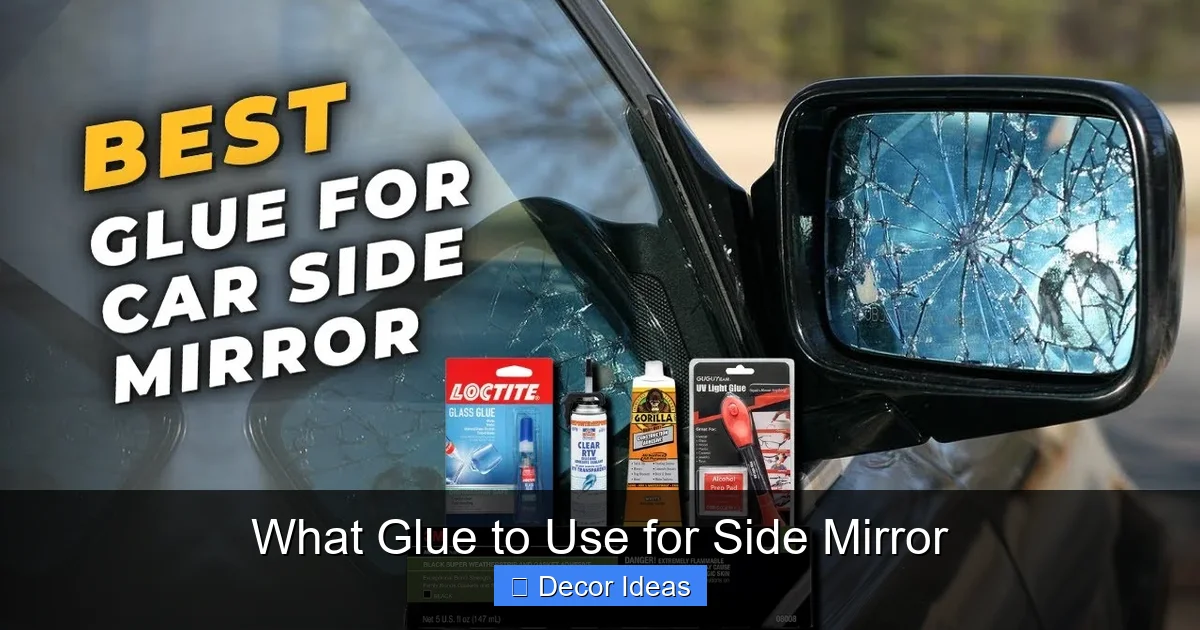
When searching for what glue to use for side mirror fixes, you will find a lot of options on store shelves. Let us break down the top three choices that actually work and stand the test of time.
1. Automotive Silicone Adhesive
Automotive-grade silicone, such as Permatex or clear silicone sealant, is fantastic for gluing mirror glass back to the backing plate. Why? Because silicone remains flexible after it cures. This flexibility is crucial because it absorbs the shocks and vibrations of driving.
Silicone is also completely waterproof. Rain, snow, and car washes will not weaken the bond. The only downside is that silicone takes a bit longer to cure than other glues. You will usually need to wait up to 24 hours for it to set completely.
2. Two-Part Epoxy Resin
If you are wondering what glue to use for side mirror plastic housing breaks, two-part epoxy is the ultimate winner. Epoxy comes in two separate tubes: a resin and a hardener. When you mix them together, a chemical reaction occurs that creates an industrial-strength bond.
Epoxy is rigid and strong. It is perfect for filling in missing chunks of plastic or gluing a snapped mirror arm back to the car door frame. Make sure to buy a fast-setting epoxy if you want to speed up the process, though standard epoxy is generally a bit stronger.
3. Polyurethane Construction Adhesive
Polyurethane glue is another heavy-duty option. It expands slightly as it cures, foaming up to fill every tiny crack and crevice. This makes it amazing for irregular surfaces. It is weather-resistant and holds on tight through freezing cold and blistering heat.
Step-by-Step Guide to Gluing Your Side Mirror
Now that you know what glue to use for side mirror fixes, let us walk through the actual repair process. Doing this right the first time saves you time, money, and frustration.
Step 1: Clean the Surfaces Thoroughly
This is the most important step of the entire process. If there is dust, old glue, grease, or rain on the surface, your new glue will not stick. Scrape off any old, crusty adhesive using a plastic scraper or a razor blade. Be gentle so you do not scratch the glass or paint.
Next, wipe down both bonding surfaces with rubbing alcohol on a clean microfiber cloth. Let the area dry completely for a few minutes. The alcohol removes oils from your fingers that could weaken the glue bond.
Step 2: Apply the Glue Correctly
Apply your chosen adhesive to the back of the mirror or the broken housing. Do not go overboard. If you use too much glue, it will ooze out the sides and make a messy appearance on your mirror face. A zig-zag pattern or small dabs in the corners and center usually work best.
If you are using two-part epoxy, make sure you mix equal parts of the resin and hardener on a disposable piece of cardboard before applying it. Do not try to mix them directly on the mirror.
Step 3: Press and Hold in Place
Carefully press the mirror or housing parts together, aligning them as precisely as possible. Once the pieces touch, try not to slide them around too much, as this introduces air bubbles into the glue.
Because most glues require time to set, you will need a way to hold the parts tightly together. Use heavy-duty painter’s tape or masking tape to secure the mirror in place against the housing. Wrap the tape tightly around the mirror unit so constant pressure is applied while the glue cures.
Step 4: Let It Cure Fully
Patience is your best friend here. Even if the glue feels dry to the touch after an hour, the internal chemical bonds are still forming. Leave the tape on and let the car sit undisturbed for at least 24 hours. Avoid driving during this curing period, especially if it is windy or rainy outside.
Common Mistakes to Avoid
Even with the right knowledge of what glue to use for side mirror repairs, DIYers often make a few common mistakes. Keep these pitfalls in mind so your repair is a success.
Using Super Glue
We mentioned this earlier, but it bears repeating. Super glue (cyanoacrylate) is great for small household items like coffee mugs, but it is terrible for cars. It cannot handle vibration, moisture, or extreme temperature swings. Your mirror will likely fall off within a few days if you use standard super glue.
Skipping the Surface Prep
If you are in a rush and skip the rubbing alcohol step, your glue is bonding to dirt, not the car. Always take the extra two minutes to clean the area properly.
Not Using Enough Support
Gravity is not on your side when gluing a side mirror. If you just press the mirror on and walk away, it will slowly slide down before the glue sets. Always use tape, clamps, or props to hold the components rigidly in place.
When to Call a Professional
While fixing a mirror with the right glue is a great DIY project, there are times when you should hand the job over to a professional mechanic or auto body shop.
If your side mirror has built-in electronic features like turn signals, heating elements, automatic dimming, or blind-spot monitoring sensors, gluing it yourself can be tricky. You might accidentally damage the delicate wiring harness behind the glass. Furthermore, if the entire assembly is completely smashed to pieces, you will likely need to buy a brand-new replacement assembly rather than trying to glue plastic shards back together.
Conclusion
Fixing a broken side mirror at home is a satisfying and budget-friendly project. The key to success lies in knowing what glue to use for side mirror repairs. Skip the household craft glue and choose an automotive silicone for glass or a sturdy two-part epoxy for plastic housing units.
By taking your time to thoroughly clean the surfaces, applying the right amount of adhesive, and letting it cure for a full 24 hours with the help of some painter’s tape, you can get your car safely back on the road. A little bit of prep work goes a long way in ensuring your side mirror stays securely in place through all of life’s bumpy roads.
Frequently Asked Questions
Can I use Gorilla Glue on my side mirror?
Standard Gorilla Glue expands into a foam as it cures and can push the mirror out of alignment, making it messy and unreliable. However, Gorilla Two-Part Epoxy works very well for plastic housing repairs.
How long should I wait before driving after gluing my mirror?
You should wait at least 24 hours before driving your car to ensure the adhesive has fully cured. Driving too soon can cause the mirror to shift or fall off due to road vibrations.
Will hot weather affect the glue on my side mirror?
Yes, extreme heat can weaken poor-quality adhesives, which is why choosing an automotive-grade silicone or epoxy is essential. These products are specifically designed to withstand high dashboard and exterior temperatures.
Can I use hot glue for a temporary mirror fix?
Hot glue is generally not recommended because it melts easily in direct sunlight and summer heat. It will quickly fail under the warm sun, leaving your mirror loose again.
What is the best way to remove old glue from a side mirror?
You can use a plastic scraper or a razor blade to gently peel away old adhesive chunks. Finish the cleaning process by wiping the surface with rubbing alcohol to dissolve any remaining residue.
Do I need to take the whole mirror off to glue the glass?
Usually, you do not need to remove the entire assembly just to glue the glass back onto the backing plate. However, taking off the mirror housing can give you better access and make the repair much easier.