What Is the Best Way to Clean Mirrors? [Read to Know]
Want to know what is the best way to clean mirrors without leaving annoying streaks or smudges behind? The secret lies in using a simple homemade vinegar solution paired with a lint-free microfiber cloth instead of paper towels. By following a systematic cleaning pattern and tackling stubborn spots first, you can achieve a crystal-clear shine every single time.
Have you ever spent ages wiping down your bathroom glass, only to step back and realize it looks worse than when you started? Streaks, smudges, and lint seem to magically appear the moment the sunlight hits the glass. If you have been searching for what is the best way to clean mirrors, you are definitely not alone. It is one of those household chores that can feel surprisingly frustrating.
The good news is that achieving a crystal-clear, professional shine does not require expensive commercial products or endless elbow grease. In fact, most professional cleaners rely on simple, budget-friendly items you likely already have sitting in your pantry. Let us dive into the ultimate guide to mirror cleaning, where we will break down the exact techniques, tools, and tricks you need for a streak-free finish.
Key Takeaways
- The Right Solution: A simple mix of equal parts white vinegar and distilled water is the best way to clean mirrors naturally and effectively.
- Microfiber Magic: Always use clean microfiber cloths instead of paper towels to prevent lint and scratches on your glass surfaces.
- Skip Commercial Ammonia: Avoid harsh chemical cleaners containing ammonia, as they can damage the mirror backing and protective silver coating over time.
- Pre-Treat Stains: Spot-clean toothpaste splatters, hairspray, and heavy grime with rubbing alcohol before doing a full-surface wipe down.
- Work in Sections: Use an S-pattern or top-to-bottom wiping technique rather than random circles to ensure zero streaks remain.
- Distilled Water Matters: Using distilled water prevents mineral deposits and water spots from forming on your freshly cleaned mirrors.
- Regular Maintenance: A quick weekly wipe with a damp cloth prevents stubborn buildup and keeps your mirrors looking spotless.
Why Traditional Mirror Cleaning Methods Fail
Before we look at what is the best way to clean mirrors, we need to talk about what goes wrong. Many of us grew up grabbing a roll of paper towels and a bottle of blue glass cleaner. While this method seems convenient, it is actually the number one culprit behind foggy, streaky mirrors.
The Paper Towel Problem
Paper towels are textured and designed to absorb moisture quickly. Unfortunately, this means they tend to break down as you wipe, leaving behind tiny paper fibers all over the glass. These lint particles catch the light and make your mirror look dusty even after you just cleaned it. Furthermore, recycled paper towels can sometimes contain rough wood fibers that might cause micro-scratches on delicate glass over time.
The Danger of Ammonia and Harsh Chemicals
Many commercial glass cleaners contain heavy doses of ammonia or alcohol. While these chemicals cut through grease quickly, they can be disastrous for mirrors. Over time, ammonia seeps into the edges or the protective backing of the mirror. This causes a chemical reaction known as “black edge” corrosion, where the reflective silver coating starts to flake off, leaving dark, irreversible spots around the perimeter.
The Ultimate DIY Mirror Cleaning Solution
If commercial sprays are not ideal, what is the best way to clean mirrors safely and effectively? The answer is a simple, homemade vinegar and water solution. Vinegar is a mild acid that naturally cuts through soap scum, hairspray residue, and greasy fingerprints without harming the glass.
How to Mix Your Solution
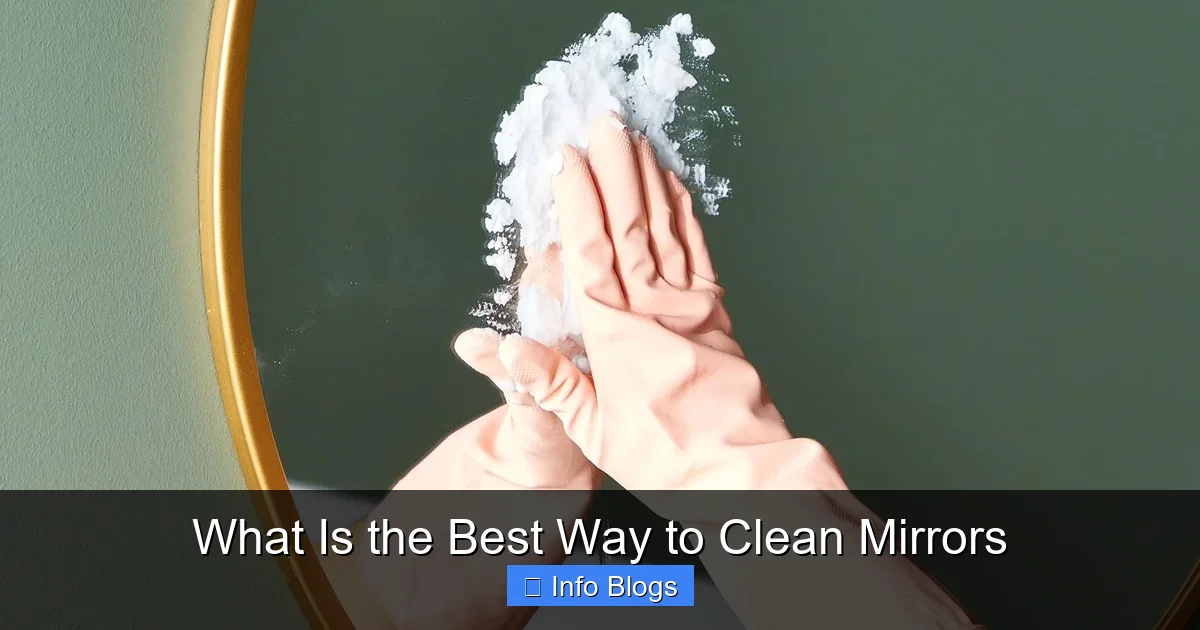
Making your own mirror cleaner takes less than a minute. Grab an empty spray bottle and mix:
- One cup of white vinegar
- One cup of distilled water
Why distilled water? Tap water contains minerals like calcium and magnesium. When the water evaporates, these minerals stay behind as cloudy white spots. Using distilled water ensures a completely pure, spot-free evaporation process.
Adding a Touch of Essential Oils
Some people dislike the strong smell of vinegar while cleaning. You can easily fix this by adding three to five drops of your favorite essential oil, such as lemon, lavender, or peppermint, directly into the spray bottle. Not only does this leave your bathroom smelling fresh, but it also gives a subtle aromatherapy boost to your daily routine.
The Best Tools for a Streak-Free Shine
Having the right cleaning solution is only half the battle. To truly master what is the best way to clean mirrors, you need to invest in the right wiping tools. Forget the paper towels and newspapers of the past.
The Magic of Microfiber Cloths
Microfiber cloths are an absolute game-changer for cleaning glass. The microscopic synthetic fibers are specifically designed to trap dust, oils, and dirt rather than just pushing them around. When shopping for cloths, look for a tight weave and a high GSM (grams per square meter) rating. You will want at least two cloths on hand: one damp cloth for washing, and one completely dry cloth for buffing.
The Newspaper Myth Debunked
You may have heard older generations swear by using black-and-white newspaper to clean windows and mirrors. While the ink once acted as a mild abrasive, modern newspaper inks are formulated differently and can actually leave greasy black ink stains all over your hands and the glass. Stick to microfiber instead for a much cleaner experience.
Step-by-Step Guide to Cleaning Your Mirror
Now that you have your DIY vinegar spray and your microfiber cloths ready, let us walk through the exact process. Following these steps will answer your question of what is the best way to clean mirrors with minimal effort.
Step 1: Spot-Clean Stubborn Grime First
Mirrors rarely get dirty all over equally. Usually, you are dealing with concentrated spots like toothpaste splatters near the sink, dots of makeup foundation, or a heavy mist of hairspray. Do not try to scrub these away with your general spray right away. Instead, dab a tiny amount of rubbing alcohol on a cotton pad or corner of your cloth and gently wipe away sticky or oily spots first.
Step 2: Mist the Glass Correctly
Hold your spray bottle about eight to ten inches away from the mirror surface. Give the glass a light misting. A common mistake is soaking the mirror. You only need a light, even layer of moisture. Remember that excess liquid will run down the edges and potentially seep into the frame backing.
Step 3: Use the S-Pattern Wiping Technique
Wiping in random circles is the fastest way to create streaks. Instead, start at the top left corner of the mirror and wipe across to the top right. Then, trace your cloth back across in a continuous “S” pattern or a zig-zag motion all the way down to the bottom. This systematic approach ensures that you cover every single square inch without going over the same dirty spot twice.
Step 4: Buff to Perfection
Immediately after your initial wipe, grab your second, completely dry microfiber cloth. Buff the mirror using circular motions. This final step polishes the glass, removes any lingering moisture droplets, and guarantees that glorious, crystal-clear shine.
Preventing Future Buildup and Maintenance Tips
Once you put in the work to get your mirrors sparkling clean, you certainly want them to stay that way for as long as possible. Good maintenance habits can cut your cleaning time in half.
The Shaving Cream Anti-Fog Trick
If you have ever stepped out of a hot shower only to find a completely fogged-up bathroom mirror, you know the struggle. Here is a fun, highly effective trick to prevent fogging: take a pea-sized amount of standard shaving cream (not gel), rub it all over the dry mirror surface, and buff it off completely with a clean microfiber cloth. This leaves behind a microscopic protective film that prevents steam from condensing on the glass for up to a week.
Establish a Quick Weekly Routine
Mirrors do not need a deep chemical scrub every single day. If you give your mirrors a quick five-second wipe down with a damp microfiber cloth once a week, you prevent dust, toothpaste, and water splashes from baking onto the glass. Consistent, light maintenance is truly what is the best way to clean mirrors in the long run.
Conclusion
Cleaning mirrors does not have to be a frustrating chore that leaves you staring at stubborn streaks in the sunlight. By understanding what is the best way to clean mirrors—using a simple mix of white vinegar and distilled water, ditching paper towels for high-quality microfiber cloths, and adopting a systematic wiping pattern—you can achieve professional results every time. Take a few minutes this weekend to try out these techniques, and enjoy the brilliantly clear reflection waiting for you.
Frequently Asked Questions
What is the absolute best liquid to clean mirrors with?
A homemade solution of equal parts white vinegar and distilled water is widely considered the best choice. It cuts through grease and grime naturally without leaving behind chemical residues or damaging the mirror backing.
Can I use Windex on my bathroom mirrors?
While commercial glass cleaners like Windex are safe for occasional use on plain glass, many contain ammonia. Over time, ammonia can seep into the edges of mirrors and ruin the silver reflective coating, so natural alternatives are safer.
Why do my mirrors still look streaky after I clean them?
Streaks usually happen for three reasons: using paper towels that leave lint behind, wiping in random circular motions instead of an S-pattern, or using tap water that contains mineral deposits which dry into cloudy spots.
How do I get rid of hard water spots on bathroom mirrors?
Hard water spots are mineral deposits that resist normal glass cleaner. To remove them, apply pure white vinegar directly to the spot using a cloth, let it sit for a few minutes to dissolve the minerals, and then buff dry.
Is it okay to use vinegar on framed mirrors?
Vinegar is safe for glass, but you should be cautious around the frame. Avoid letting liquid pool at the bottom where the frame meets the mirror, and keep acidic vinegar away from delicate wooden, antique, or unsealed metal frames.
How often should I deep clean my mirrors?
For most households, a thorough cleaning using a vinegar solution once every two weeks is sufficient. However, giving your bathroom mirrors a quick dry wipe or spot clean weekly will keep them looking pristine between deep cleans.