Maximize Space with Smart Under Sink Stackable Storage Solutions
Under sink stackable storage transforms cramped, chaotic cabinets into neat, accessible spaces. With clever designs and modular options, you can double or even triple your storage capacity without remodeling.
If you’ve ever opened your under-sink cabinet and been met with a jumble of cleaning bottles, sponges, and mystery containers, you’re not alone. That narrow, often awkwardly shaped space beneath the sink is one of the most underutilized areas in the home. But what if you could turn that cluttered chaos into a neatly organized hub? That’s where under sink stackable storage comes in—a simple, smart solution that maximizes every inch.
Think of your under-sink area like a mini warehouse. Without structure, items pile up, get lost, and become hard to reach. But with stackable storage, you create layers of organization. You’re not just storing things—you’re designing a system. Whether you’re dealing with a tiny apartment kitchen or a spacious bathroom vanity, stackable bins, shelves, and drawers can transform your space. And the best part? It’s easy, affordable, and doesn’t require any construction.
Key Takeaways
- Maximize vertical space: Stackable bins and shelves use height efficiently, making the most of limited under-sink areas.
- Improve accessibility: Pull-out trays and tiered organizers let you reach items at the back without digging.
- Customize for your needs: Modular systems adapt to cleaning supplies, food storage, or toiletries.
- Prevent moisture damage: Use waterproof, rust-resistant materials like plastic or coated metal.
- Easy to install and maintain: Most stackable units require no tools and clean up quickly.
- Affordable organization: You can revamp your space for under $50 with budget-friendly options.
- Reduce clutter visibly: Clear containers let you see what you have, reducing duplicate purchases.
Quick Answers to Common Questions
What is under sink stackable storage?
It’s a system of bins, shelves, or drawers that stack vertically to maximize space under your sink, making it easier to organize and access items.
Can stackable storage fit around pipes?
Yes! Many designs are adjustable or include cutouts to fit around plumbing, garbage disposals, or water filters.
Are stackable bins waterproof?
Most are made from water-resistant plastic or coated metal, making them safe for damp environments like under the sink.
Do I need tools to install stackable storage?
Most systems are tool-free—just slide them in. Some may require minor adjustments, but no drilling or screws are usually needed.
Can I use stackable storage in small apartments?
Absolutely! They’re ideal for compact spaces where every inch counts, especially in kitchens and bathrooms.
📑 Table of Contents
- Why Under Sink Space Is Tricky—and How Stackable Storage Helps
- Types of Under Sink Stackable Storage Solutions
- How to Choose the Right Stackable System for Your Space
- DIY vs. Ready-Made: Which Is Better?
- Maintenance and Organization Tips
- Creative Uses Beyond the Kitchen
- Final Thoughts: Small Space, Big Impact
Why Under Sink Space Is Tricky—and How Stackable Storage Helps
The under-sink cabinet is a challenge for a few reasons. First, it’s often narrow and deep, making it hard to reach items at the back. Second, plumbing pipes and garbage disposals take up valuable real estate. Third, it’s a magnet for moisture, which can damage cardboard boxes or warp wood. And finally, it’s usually packed with a mix of tall bottles, small sprays, and oddly shaped tools—nothing fits neatly.
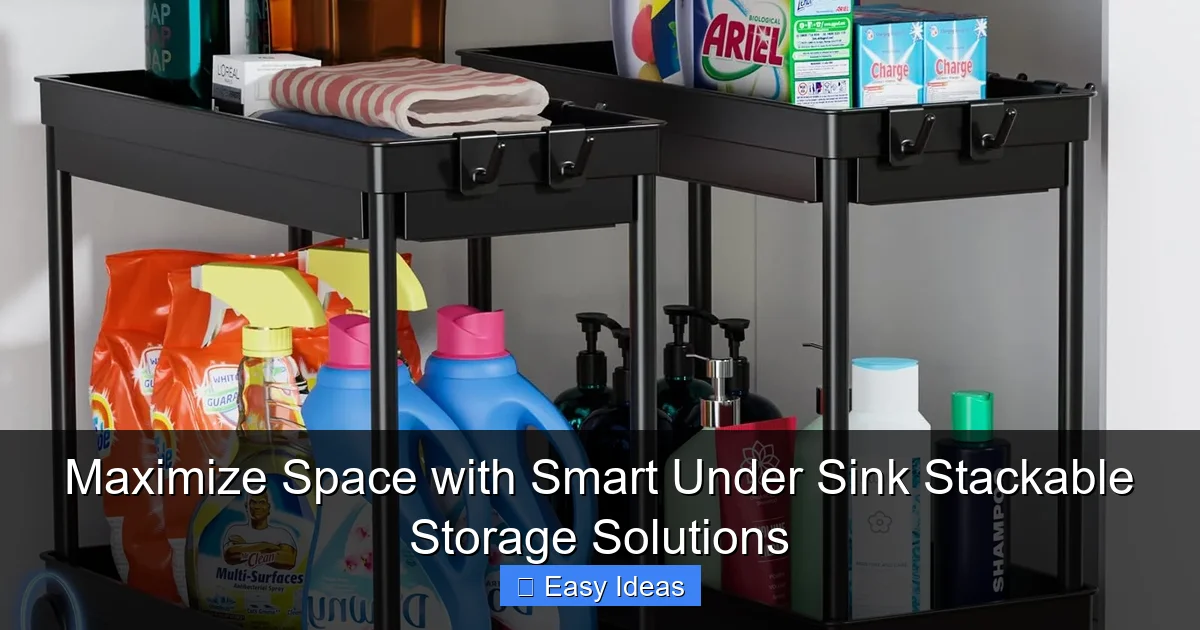
That’s why traditional storage methods often fail. A single shelf might help a little, but it doesn’t solve the problem of vertical space. You still can’t see what’s in the back, and you’re limited by the cabinet’s height. Stackable storage changes the game. By using vertical layers, you turn a single level of storage into two, three, or even four. You can place tall items like bleach bottles on the bottom tier and stack smaller bins on top for sponges, brushes, or trash bags.
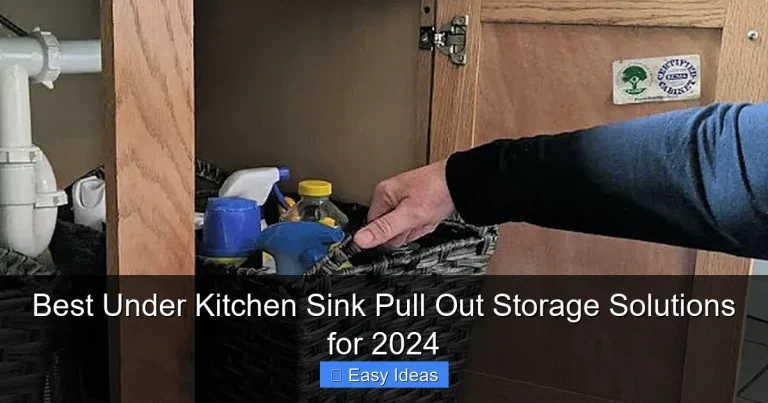
For example, imagine a two-tier pull-out organizer. The bottom tray holds your heaviest cleaning supplies, while the top tray glides out with lighter items like dish soap or scrub pads. You can see everything at a glance, and nothing gets buried. That’s the power of smart design.
Types of Under Sink Stackable Storage Solutions
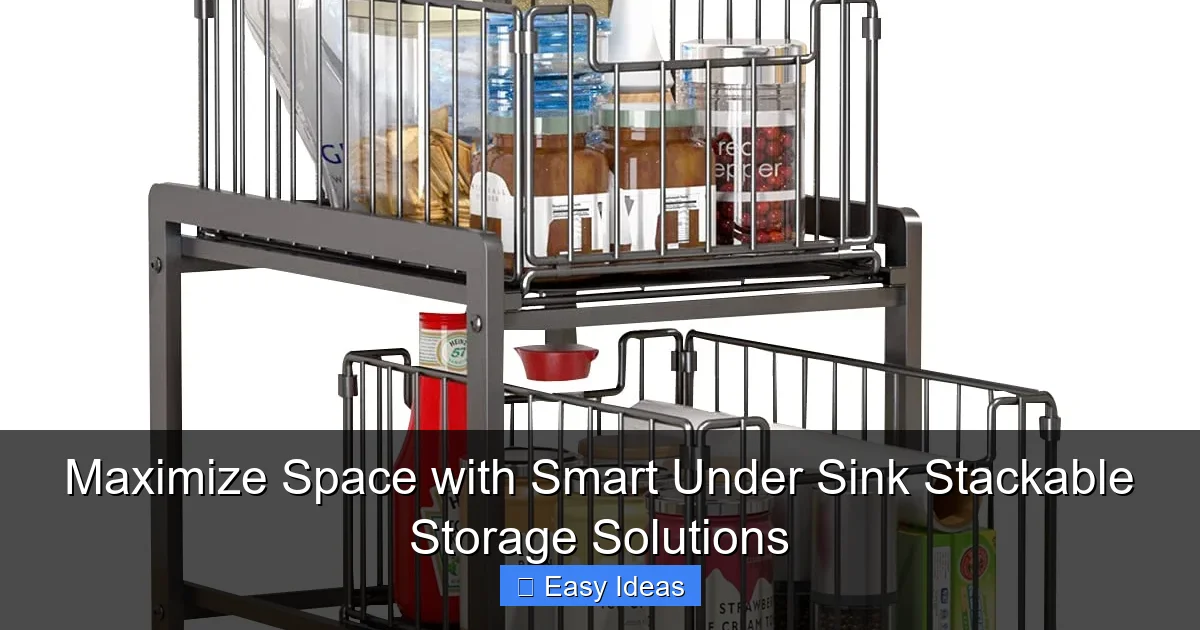
Visual guide about Maximize Space with Smart Under Sink Stackable Storage Solutions
Image source: m.media-amazon.com
Not all stackable storage is created equal. The right choice depends on your space, needs, and budget. Here are the most popular types—and how to pick the best one for you.
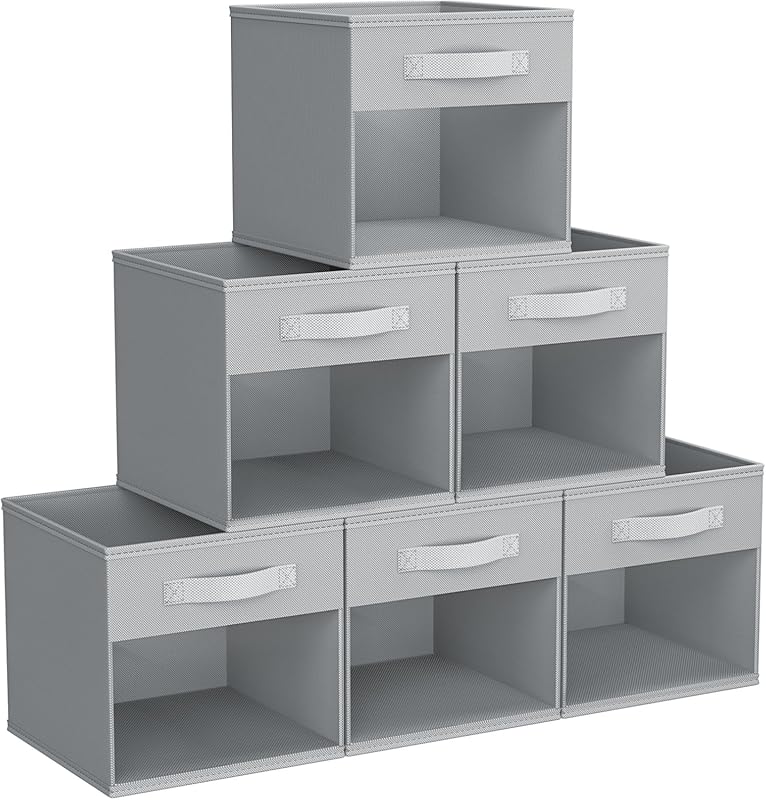
Plastic Stackable Bins
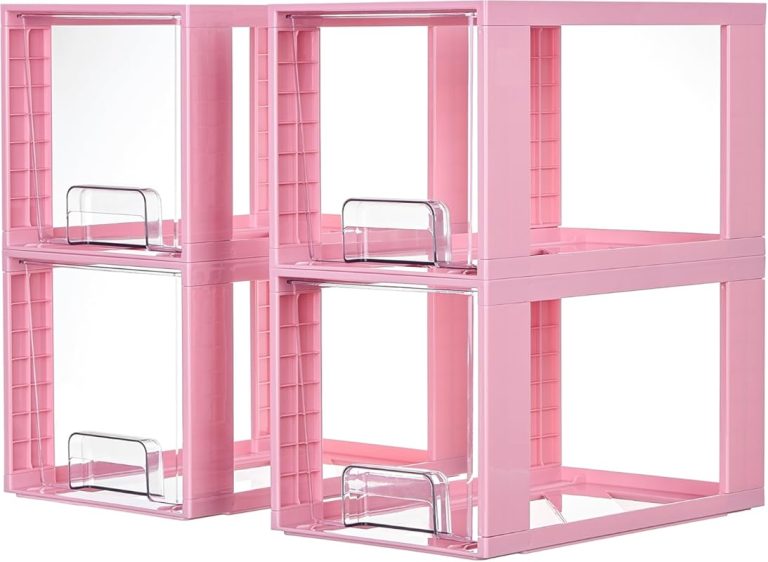
These are the most common and affordable option. Made from durable, BPA-free plastic, they come in various sizes and often have handles or lids. Look for ones with smooth-gliding rails or pull-out bases so you can access the back without removing the entire bin.
Best for: General storage of cleaning supplies, sponges, or trash bags.
Tip: Choose clear bins so you can see contents without opening them.
Wire or Metal Stackable Shelves
These offer a more industrial look and excellent airflow, which helps prevent mold. Many are adjustable, so you can customize the height between shelves. Some models include hooks or side rails for hanging spray bottles.
Best for: Damp environments like under the kitchen sink.
Tip: Use rubber shelf liners to prevent bottles from sliding.
Modular Drawer Systems
These are the high-end solution. Think of them like Legos for your cabinet. You can mix and match drawers, shelves, and bins to create a custom layout. Many include soft-close glides and dividers.
Best for: People who want a tailored, long-term organization system.
Tip: Measure your cabinet depth and height before buying—some systems are too tall for standard cabinets.
Over-the-Pipe Organizers
These clever designs wrap around plumbing pipes, using space that’s usually wasted. They often include stackable tiers or pull-out trays that slide over the pipe.
Best for: Tight spaces with exposed pipes.
Tip: Look for flexible or adjustable models that fit different pipe sizes.
Collapsible or Foldable Bins
Perfect for renters or those who like to reconfigure their space. These bins can be folded flat when not in use and expanded when needed.
Best for: Temporary storage or small spaces.
Tip: Use them for seasonal items like holiday cleaning supplies.
How to Choose the Right Stackable System for Your Space
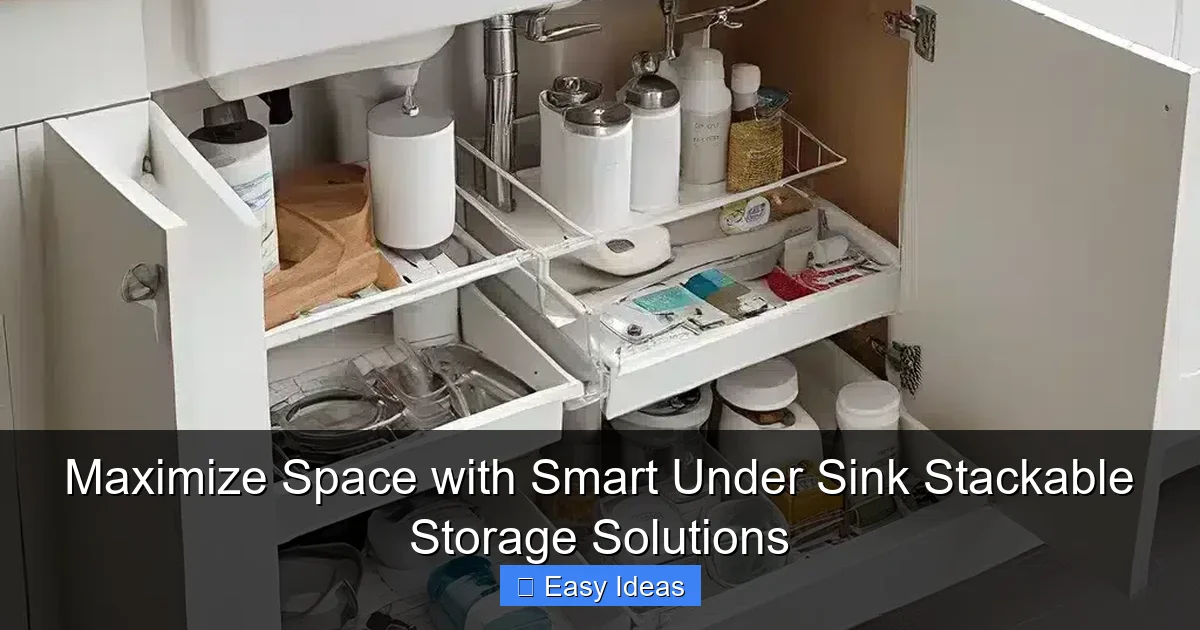
Visual guide about Maximize Space with Smart Under Sink Stackable Storage Solutions
Image source: sofaspectacular.co.uk
Picking the perfect under sink stackable storage isn’t just about looks—it’s about function. Here’s a step-by-step guide to help you choose wisely.
Step 1: Measure Your Cabinet
Start by measuring the interior width, depth, and height of your under-sink space. Don’t forget to account for pipes, garbage disposals, or water filters. Use a tape measure and note any obstacles.
Pro tip: Take a photo of the space and bring it with you when shopping online or in-store.
Step 2: List What You Need to Store
Make a list of everything you keep under the sink. Group items by category: cleaning supplies, dishwashing tools, trash bags, etc. This helps you estimate how much space you need.
Example: If you have five spray bottles, two sponges, a roll of trash bags, and a bottle of drain cleaner, you’ll need at least two tiers—one for tall bottles and one for smaller items.
Step 3: Consider Accessibility
Think about how often you use each item. Frequently used supplies should be on the top tier or in a pull-out drawer. Heavy or rarely used items can go on the bottom.
Tip: Use labels on bins so everyone in the household knows where things go.
Step 4: Choose the Right Material
Plastic is lightweight and waterproof—great for most homes. Metal is sturdier but can rust if not coated. Avoid wood unless it’s sealed and moisture-resistant.
Best bet: High-quality polypropylene plastic—it’s durable, easy to clean, and won’t crack.
Step 5: Think Long-Term
Will your needs change? If you plan to switch from cleaning supplies to pantry storage (like in a laundry room), choose a system that’s versatile. Modular units are ideal for this.
DIY vs. Ready-Made: Which Is Better?
Visual guide about Maximize Space with Smart Under Sink Stackable Storage Solutions
Image source: mmstonedesign.com
You might be wondering: Should I build my own system or buy a pre-made one? Both have pros and cons.
Ready-Made Systems
These are convenient and designed for common cabinet sizes. Brands like SimpleHouseware, mDesign, and YouCopia offer well-reviewed options. They’re easy to install—often just slide in and go.
Pros: Fast setup, tested designs, often include rails or glides.
Cons: Less customizable, may not fit odd-shaped cabinets.
DIY Solutions
If you’re handy, you can create a custom system using materials like PVC pipes, wooden crates, or even repurposed drawers. This is great for unique spaces or if you want a specific look.
Pros: Fully customizable, can be cheaper if using recycled materials.
Cons: Time-consuming, requires tools and skills, may not be as durable.
Real-life example: One homeowner used three stacked plastic shoe boxes with cut-out handles to create a tiered system for her bathroom sink. She added labels and a small tray for cotton balls. Total cost: under $15.
For most people, a hybrid approach works best: buy a base system and add DIY touches like labels, dividers, or decorative bins.
Maintenance and Organization Tips
Great storage isn’t just about setup—it’s about upkeep. Here’s how to keep your under sink stackable storage working smoothly.
Clean Regularly
Wipe down bins and shelves every few weeks to prevent grime buildup. Use a mild cleaner and a damp cloth. Let everything dry completely before restocking.
Rotate Stock
Use the “first in, first out” rule for cleaning supplies. Place newer bottles behind older ones so nothing expires unnoticed.
Declutter Seasonally
Every three months, take everything out and assess. Do you still use that half-empty bottle of oven cleaner? Toss expired items and donate unused ones.
Use Dividers and Labels
Small items like sponges, scrub brushes, or trash bag rolls can get lost in big bins. Use dividers or small containers within larger ones. Label each bin so everyone knows where things go.
Protect Against Leaks
Even with great storage, leaks happen. Place a waterproof tray or mat at the bottom of your cabinet to catch spills. Some organizers come with built-in drip trays.
Creative Uses Beyond the Kitchen
While under sink stackable storage is most common in kitchens, it’s incredibly versatile. Here are a few unexpected places to use it:
Bathroom Vanities
Store toiletries, cotton pads, hair tools, or extra toilet paper. Use small bins for makeup brushes or dental care items.
Laundry Rooms
Keep detergent, fabric softener, stain removers, and dryer sheets organized. Stackable bins work great for sorting supplies by type.
Garage or Utility Closets
Use them for automotive fluids, tools, or gardening supplies. Choose heavy-duty plastic or metal for durability.
Home Offices
Store printer ink, cables, notebooks, or office supplies. Clear bins make it easy to find what you need.
The key is thinking vertically. Any space with limited room can benefit from stackable storage.
Final Thoughts: Small Space, Big Impact
Under sink stackable storage isn’t just about tidiness—it’s about efficiency, safety, and peace of mind. When everything has a place, you spend less time searching and more time enjoying your home. You also reduce the risk of spills, leaks, or expired products going unnoticed.
And the best part? You don’t need a huge budget or a contractor to make it happen. With a few well-chosen bins or shelves, you can turn a cluttered cabinet into a functional, beautiful part of your daily routine.
So the next time you open that under-sink door, imagine what could be: neatly stacked supplies, easy access, and a sense of calm. That’s the power of smart storage. Start small, think vertically, and watch your space transform.
🎥 Related Video: 10-Minute Under-Sink Organization: Transform Your Space with Just 3 Simple Organizers!
📺 Keep It Simple Sparkles
Deep under-sinks DON’T have to be the worst! **Transform Your Under-Sink Chaos in Just 10 Minutes with Three Simple …
Frequently Asked Questions
How do I prevent mold under the sink?
Use waterproof, ventilated storage and wipe down surfaces regularly. Avoid storing damp items, and consider a small dehumidifier or moisture absorber.
Can I stack different brands of bins?
It’s possible, but not always stable. For best results, use matching bins or check weight limits and base compatibility before mixing brands.
What’s the best material for under sink storage?
High-quality plastic is ideal—it’s lightweight, waterproof, and easy to clean. Avoid untreated wood or cardboard, which can warp or mold.
How much weight can stackable shelves hold?
Most hold 10–20 pounds per tier, but check the product specs. Heavy items like gallon jugs should go on the bottom shelf.
Can I use stackable storage for food items?
Only if the bins are food-safe and the area is dry and clean. Under-sink spaces are usually not recommended for food due to moisture and chemical exposure.
How often should I reorganize under the sink?
Every 3–6 months is ideal. Seasonal decluttering helps you stay on top of expired products and changing needs.