How to Hang a Heavy Mirror on Drywall?
Hanging a heavy mirror on drywall can feel intimidating, but it is completely manageable with the right tools and techniques. By locating studs, using heavy-duty anchors, and measuring carefully, you can secure your mirror safely without risking damage to your walls or floor. This comprehensive guide walks you through every step of the process so you can achieve a professional-looking result with confidence.
There is nothing quite like a statement mirror to tie a room together. It bounces light around, makes a small space feel massive, and adds an instant touch of elegance. But when you are holding a thirty, forty, or fifty-pound glass behemoth, excitement can quickly turn into sheer panic. Can drywall actually hold that much weight? Will you wake up in the middle of the night to the sound of crashing glass?
Take a deep breath. You can absolutely learn how to hang a heavy mirror on drywall safely and securely. Millions of homeowners do it every single year. The secret is not relying on the drywall alone. Instead, it is about understanding how to distribute weight, using the right hardware, and taking your time with the measurements. Let us walk through the process together, step by step, so you can transform your space without any stress.
Key Takeaways
- Find the studs: Securing your mirror directly to wall studs provides the ultimate support for heavy loads.
- Choose rated hardware: Always check the weight limit on anchors and mirror hanging kits before installation.
- Use a stud finder: A reliable electronic stud finder prevents guesswork and keeps your wall damage to a minimum.
- Grab a helper: Heavy mirrors are awkward to hold and level by yourself, so get a friend to assist you.
- Double-check your levels: A spirit level ensures your mirror hangs straight on the first try.
- Distribute the weight: French cleats and heavy-duty wire kits help spread the load evenly across multiple points.
Understanding Drywall and Weight Limits
Before you even touch a hammer, it helps to understand what you are working with. Standard drywall is essentially a sheet of gypsum plaster pressed between two thick sheets of heavy paper. While it is sturdy enough to hold up picture frames and lightweight canvas art, it crumbles under heavy, localized stress.
Why Drywall Anchors Matter
If you try to drive a simple nail or screw directly into bare drywall to hold a heavy mirror, it will eventually pull right out. The weight of the mirror creates downward and outward pull, tearing the gypsum core. That is why you need drywall anchors or, ideally, wood wall studs to take the strain.
Know Your Mirror’s Weight
Always weigh your mirror before you start buying supplies. If you do not have a bathroom scale large enough, you can weigh yourself while holding the mirror, then subtract your body weight. Knowing this number dictates everything else. If your mirror weighs thirty pounds, you need hardware rated for at least fifty pounds to provide a safe margin of error.
Gathering the Right Tools and Materials
Having the right gear makes this project go from a frustrating chore to a satisfying DIY win. Do not try to cut corners with cheap picture wire or random screws you found in the junk drawer. Invest a few dollars in heavy-duty supplies.

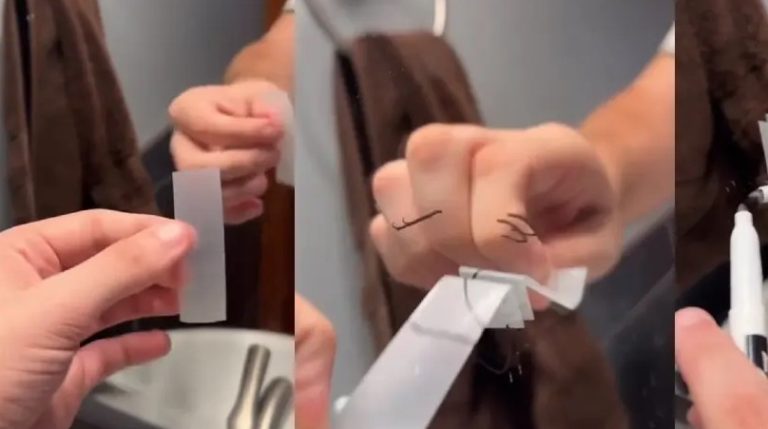
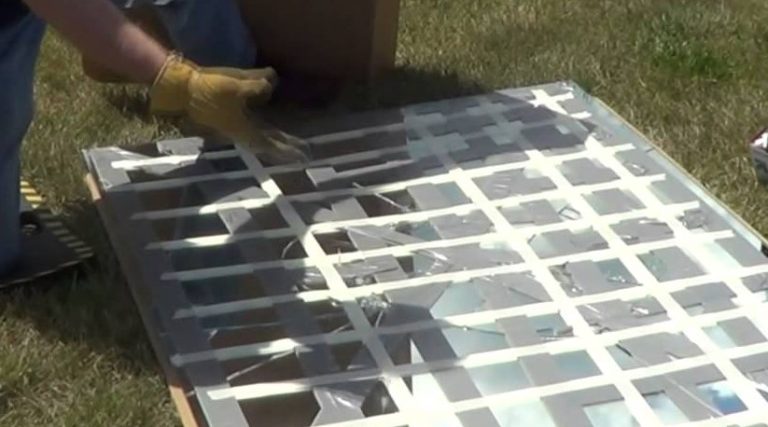
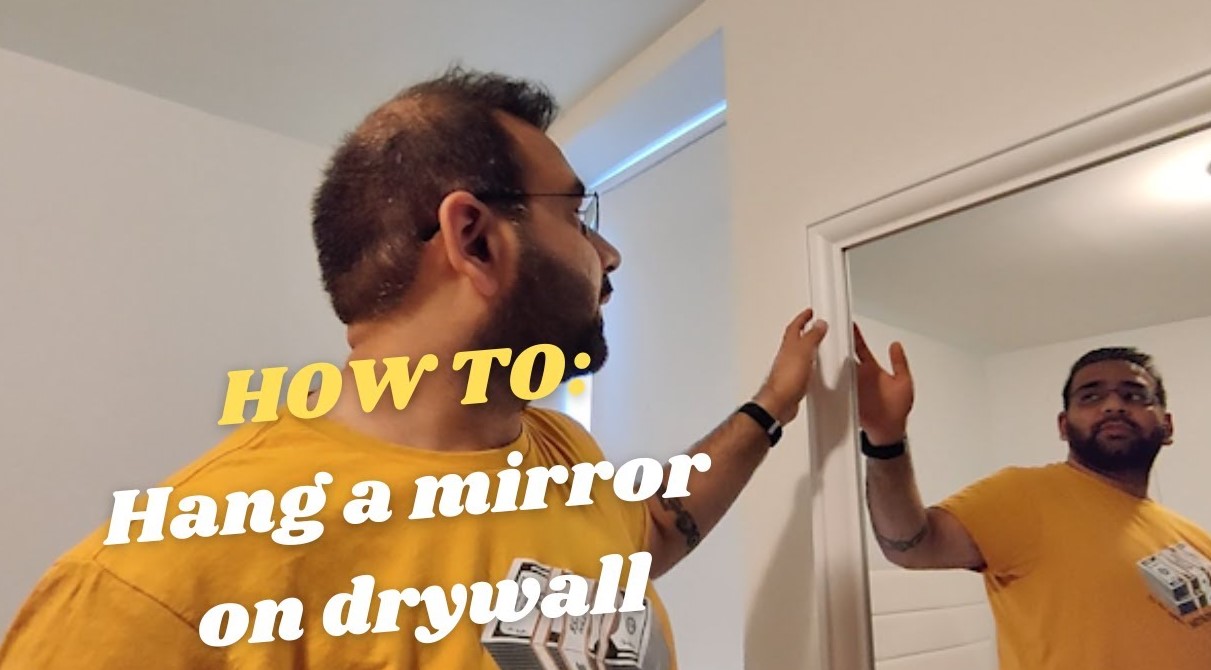
Visual guide about How to Hang a Heavy Mirror on Drywall
Image source: i.ytimg.com
Essential Tools List
To successfully hang a heavy mirror on drywall, gather the following items before you begin:
- Electronic stud finder
- Spirit level (small or medium)
- Power drill and drill bits
- Tape measure
- Pencil
- Heavy-duty mirror hanging kit, French cleat, or toggle bolts
- Safety glasses
Choosing Your Hanging Hardware
If your mirror lines up with wall studs, wood screws are your best friend. If it does not, you will need heavy-duty wall anchors. Toggle bolts and strap toggles are fantastic for hollow drywall because they open up behind the wall, creating a massive surface area that distributes the weight securely.
Locating Studs and Planning Placement
Location is everything. If you can anchor your mirror into at least one wall stud, you instantly multiply its hanging strength. Standard wall studs in most homes are spaced sixteen inches apart from center to center.
Using a Stud Finder Effectively
Slide your electronic stud finder horizontally across the wall until it beeps or lights up to indicate the edge of a stud. Mark that spot with a pencil. Slide it from the other direction to find the opposite edge. The true center of the stud is right between those two marks. Do this in a couple of spots up and down the wall where your mirror will hang.
Mapping Out the Height
As a general rule of thumb, the center of a mirror should sit at eye level, roughly fifty-seven to sixty inches from the floor. However, if you are hanging it above a piece of furniture like a mantel, dresser, or entryway table, leave about six to eight inches of clearance between the top of the furniture and the bottom of the mirror.
Step-by-Step Installation Guide
Now comes the fun part. Take your time with these steps. Rofl-testing your measurements twice will save you from patching unnecessary holes in your drywall later.
Step 1: Attach the Hardware to the Mirror
Check the back of your mirror. Does it have D-rings, a wire, or a wooden frame? If it uses D-rings, make sure they are screwed securely into the wooden or metal frame of the mirror, never just the cardboard backing. For very heavy mirrors, a French cleat system is unbeatable. One half screws to the back of the mirror, and the interlocking half screws into the wall.
Step 2: Transfer Measurements to the Wall
Measure the distance from the top of the mirror to the hanging wire when pulled tight. Transfer that exact measurement to the wall, measuring down from where you want the top of the mirror to sit. This tells you exactly where your screws or hooks need to go.
Step 3: Install the Wall Anchors or Screws
If you hit a stud, drive your wood screws directly into it. If you are drilling into hollow drywall for anchors, drill pilot holes according to the anchor manufacturer’s instructions. Insert your toggle bolts or heavy-duty anchors and tighten them down until they are flush against the wall.
Step 4: Hang and Level the Mirror
This is where you call in that helpful friend or family member. Lift the mirror together and guide the hanging mechanism onto the wall screws, hooks, or French cleat. Place your spirit level on top of the frame to check for horizontal alignment. Make micro-adjustments until the bubble is dead center.
Troubleshooting Common Hanging Challenges
Even with careful planning, things do not always go according to plan. Here is how to handle a few common hiccups.
What if the Studs Do Not Line Up?
It is frustrating when your mirror’s mounting brackets do not align with your wall studs. If this happens, ditch the standard wire and use a heavy-duty French cleat or strap toggles. A French cleat spans a wide area and allows you to screw into multiple drywall anchors, spreading the load so effectively that missing a stud is no longer a dealbreaker.
What if the Mirror Sits Crooked?
Sometimes one side of the anchor slips slightly under the weight, causing the mirror to tilt. If this happens, you can place a small piece of clear rubber bumper or folded painter’s tape on the bottom corner of the mirror frame that sits too close to the wall. This acts as a spacer and keeps the mirror looking straight and professional.
Maintaining Your Hanging Mirror
Once your mirror is securely on the wall, your job is mostly done. However, heavy objects can settle over time. It is a good idea to inspect the wall anchors and hanging wire once a year. If you notice any slight pulling, sagging, or gaps opening up between the wall and the frame, take the mirror down and reinforce the hardware immediately.
Hanging a heavy mirror on drywall does not have to be a nerve-wracking ordeal. By respecting the weight of your mirror, taking advantage of wall studs when possible, and using rated heavy-duty anchors, you can enjoy your stunning new decor piece with complete peace of mind. Grab your tools, find a helper, and get ready to transform your room today!
Frequently Asked Questions
Can drywall alone support a 50-pound mirror?
Standard drywall cannot support a 50-pound mirror using basic nails or standard screws. However, it can easily support this weight if you use heavy-duty toggle bolts, strap anchors, or anchor at least one side into a wooden wall stud.
What is the best way to find a wall stud?
An electronic stud finder is the fastest and most reliable tool for locating studs behind drywall. You can also look for subtle clues like baseboard nail heads, or use the knock test to listen for solid wood instead of a hollow sound.
Should I use wire or D-rings for a heavy mirror?
For very heavy mirrors, D-rings screwed directly into the frame are much safer than picture wire. Wire can stretch, fray, or snap under heavy loads over time, whereas direct-mount D-rings or French cleats offer superior stability.
What are French cleats and why are they good?
French cleats are interlocking brackets that screw into both the wall and the back of the mirror. They distribute weight evenly across a wide surface area, making them the gold standard for hanging heavy items securely.
How high should I hang my mirror?
The center of the mirror should generally hang at eye level, which is about 57 to 60 inches from the floor. If you are placing it above furniture, leave a 6 to 8-inch gap between the furniture top and the bottom of the mirror.
Can I hang a heavy mirror in a rental apartment?
Yes, you can hang heavy mirrors in rentals, but you will need to patch the larger anchor holes with spackle when you move out. Always check your lease agreement regarding wall hangings and property modifications.