Is a Mirror Recyclable? [Everything You Need To Know]
Are you wondering if a mirror recyclable? Unfortunately, the short answer is no, most curbside recycling programs will not accept them. Mirrors are made with chemical treatments, safety backings, and different melting points than regular glass, which ruins the recycling batch. However, you can still find creative ways to upcycle them or take them to specialized facilities.
Have you ever stood in front of an old, cracked wall fixture and wondered, is a mirror recyclable? It seems like a simple question. After all, mirrors look just like glass, and we toss glass bottles and jars into our blue bins every single week. Surely, a reflective surface made mostly of sand and silica should go down the same green path, right?
Sadly, the reality of waste management is much more complicated. When people ask, is a mirror recyclable, they are usually surprised to learn that standard municipal recycling facilities view mirrors as public enemy number one. Toss one into your curbside bin, and you might accidentally ruin an entire batch of recyclable goods.
In this guide, we will break down the science behind glass manufacturing, explain why your local plant hates mirrors, and share some amazing ways you can give your old glass a second life. Let us dive into the details so you can declutter your home without harming the planet.
Key Takeaways
- Curbside Rejection: Standard recycling bins cannot process mirrors because of the chemical coatings and reflective silver backing.
- Melting Point Issues: Mirror glass melts at a much higher temperature than bottle or window glass, causing contamination in industrial recycling furnaces.
- Safety Hazards: Broken glass and shards pose a severe injury risk to sanitation workers handling open waste streams.
- Alternative Disposal: Scrap yards, hazardous waste facilities, or local donation centers are better options for unwanted mirrors.
- Creative Upcycling: Broken or old mirrors make fantastic mosaic art, garden decor, or chic serving trays with a little DIY effort.
- Check Local Rules: Always consult your city’s specific waste management guidelines before throwing heavy glass into the trash.
Understanding Glass vs. Mirror Composition
To understand why traditional recycling plants reject mirrors, we have to look closely at what makes them different from standard glass bottles. At first glance, they both look clear and smooth. But under a microscope, their chemical DNA is worlds apart.
The Secret Layers of a Mirror
A standard window pane or soda bottle is made of pure silica glass. It melts uniformly and can be crushed, melted down, and reshaped into brand-new products with ease. A mirror, however, is a complex sandwich of materials.
When you look at your reflection, you are actually looking through a thick layer of clear glass. On the backside of that glass lies a thin coat of reflective metal—usually aluminum or silver. To protect that metal from scratching, flaking, and oxidizing, manufacturers apply a layer of copper and several coats of heavy-duty paint.
Why These Coatings Ruin the Recycling Process
Recycling facilities rely on massive furnaces to melt down glass cullet. When mirrors enter the furnace, the metallic and chemical coatings do not melt at the same temperature as the silica glass.
Instead of blending smoothly, these foreign substances create impurities in the molten glass. These impurities form weak spots, bubbles, and discoloration in the new glass products. A single mirror mixed into a truckload of bottles can compromise thousands of dollars worth of recycled material.
The Danger of Broken Glass in Waste Streams
Beyond chemistry, safety is a massive factor when dealing with discarded home decor. If you are asking, is a mirror recyclable because yours is shattered into a thousand jagged pieces, the answer is an immediate and absolute no for curbside pickup.
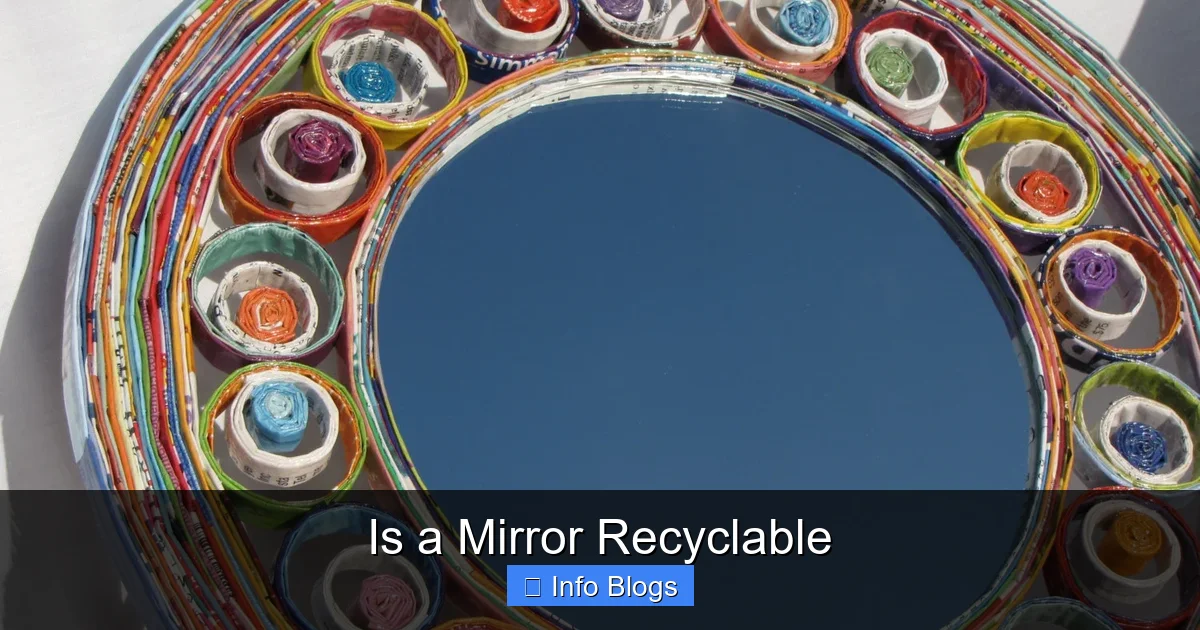
Visual guide about Is a Mirror Recyclable
Image source: img0.etsystatic.com
Protecting Sanitation Workers
City recycling programs use automated sorting machines, but human sorters still pull out items by hand. Imagine a worker reaching into a bin and grabbing a handful of hidden mirror shards. The results can be devastating.
Because of this, municipal programs have strict rules about sharp objects. If you must throw away a broken mirror, you cannot just drop the pieces loosely into a plastic bag. You need to take precautions to protect the people who manage our waste.
How to Safely Trash a Broken Mirror
If your mirror is beyond saving and cannot be recycled, here is the safe way to send it to the landfill:
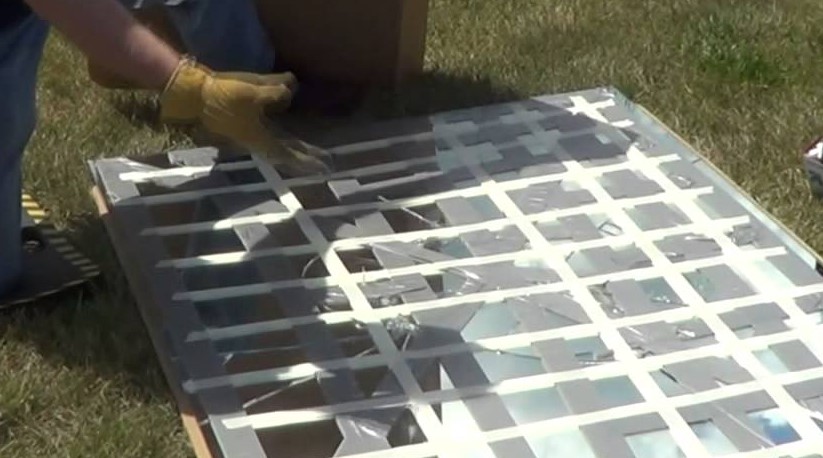
- Wear heavy-duty work gloves to protect your hands.
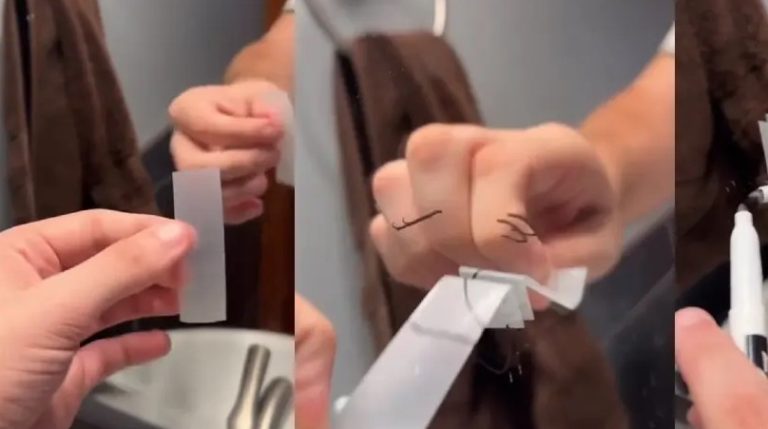
- Wrap the entire mirror or the broken shards in thick layers of old newspaper or a cardboard box.
- Tape the package securely so the glass cannot pierce through.
- Label the package clearly with a marker reading “CAUTION: BROKEN GLASS.”
- Place it inside a heavy-duty trash bag before putting it in your general waste bin.
Alternative Ways to Dispose of Mirrors Responsibly
Just because your curbside program says no does not mean your mirror has to end up in a landfill. If you are eco-conscious and want to keep your home decor out of the local dump, you have a few other avenues to explore.
Specialized Recycling Centers
Some industrial glass recyclers or specialized scrap yards have the equipment to handle treated glass. They do not feed mirrors into standard bottle-making furnaces. Instead, they might grind the glass down for alternative industrial uses, such as road bed material or abrasive blasting media.
Before driving out, call your local county waste management office. Ask them, is a mirror recyclable at any of our regional drop-off recycling centers? They might direct you to a facility that accepts special materials.
Donation and Secondhand Markets
If your mirror is still in good condition, why throw it away at all? Someone else might be searching for the exact same piece to hang in their hallway.
Consider listing your unwanted mirror on local online marketplaces like Facebook or Freecycle. You can also drop it off at a local thrift store, charity shop, or Habitat for Humanity ReStore. Donating extends the lifespan of the item and keeps raw materials in use for many more years.
Creative Upcycling Ideas for Old or Broken Mirrors
If you have a crafty streak, the best answer to the question is a mirror recyclable is to turn the problem into an art project. Upcycling is a fun, rewarding way to keep waste out of landfills while adding unique decor to your living space.
Make a Mosaic Masterpiece
If your mirror is already shattered, you have all the raw materials you need for a stunning mosaic. Put the glass inside a sturdy pillowcase and gently tap it with a hammer to break it into safe, manageable pieces.
You can use these reflective shards to decorate picture frames, flower pots, garden stepping stones, or even a tabletop. Just make sure to sand down any razor-sharp edges and use heavy-duty tile adhesive to glue them firmly in place.
Garden and Outdoor Decor
Place an unbroken mirror in a shady corner of your garden. It will catch the sunlight and bounce it into dark areas, helping your shade-loving plants get a bit more light. The reflection also creates a charming, whimsical illusion of a secret pathway or an expanded yard.
How to Identify Recyclable Glass vs. Non-Recyclable Glass
Sorting through household waste can get confusing quickly. To make things easier, keep a mental checklist of what belongs in your curbside bin and what needs special care.
What You Can Always Recycle
- Clear, green, and brown food and beverage bottles.
- Glass condiment jars, jam jars, and sauce containers.
What You Must Keep Out of the Bin
- Mirrors of any size, shape, or age.
- Window glass and double-paned glass from home renovations.
- Pyrex, ceramic dishes, and oven-safe cookware.
- Light bulbs, incandescent tubes, and neon signs.
- Eyeglass lenses and camera glass.
Remember, when in doubt, leave it out. Tossing the wrong item into the recycling bin contaminates the whole load, turning hundreds of good bottles into landfill trash.
Conclusion
So, is a mirror recyclable? In the traditional sense, the answer is almost always no. The chemical backing, heavy paints, and unique melting points make mirrors a nightmare for standard curbside recycling programs.
However, this does not mean you are out of options. By checking with local scrap yards, donating items in good condition, or turning broken glass into fun DIY projects, you can minimize your environmental footprint. The next time you redecorate, you will know exactly how to handle your old reflective glass responsibly!
Frequently Asked Questions
Can I put a mirror in my curbside recycling bin?
No, you should never put a mirror in your curbside bin. The chemical coatings and metal backing contaminate the glass recycling stream and can cause severe injuries to sorting workers.
What happens if a mirror gets mixed into standard glass recycling?
Mirrors have a different melting point than standard bottle glass due to their silver and paint layers. When melted down, these impurities ruin the batch and weaken the structure of newly formed glass products.
Are broken mirrors considered hazardous waste?
While they are not typically classified as household hazardous waste, they pose an extreme physical hazard. You must wrap broken mirrors securely in cardboard or newspaper and label them before placing them in the trash.
Can thrift stores or charities take old mirrors?
Yes, most charity shops, thrift stores, and donation centers will gladly accept mirrors as long as they are clean, unbroken, and free of major cracks or water damage.
What can I do with a broken mirror instead of throwing it away?
You can use the glass shards to create DIY mosaic art, decorate picture frames, or make garden stepping stones. Always wear protective gloves and eyewear when handling broken glass.
Is car mirror glass recyclable?
No, automotive mirrors are treated with specialized safety films, heating elements, and heavy-duty adhesives that make them impossible to process in standard glass recycling facilities.