

How to Organize Baby Closet: Easy Tips for a Tidy Nursery
Is your baby’s closet a jumble of tiny clothes, toys, and accessories? You’re not alone.
Organizing a baby closet can feel overwhelming, but it doesn’t have to be. Imagine opening that door and instantly finding exactly what you need without any stress. You’ll save time, reduce frustration, and create a calm space for both you and your little one.
In this guide, you’ll discover simple, smart ways to organize your baby’s closet so it works perfectly for your daily routine. Ready to transform chaos into calm? Let’s get started.
Credit: www.twotwentyone.net
Assessing Your Space
Organizing a baby closet starts with a clear view of the space you have. Assessing the area helps to plan better. It ensures every item has its own place.
Understanding the size and shape of the closet guides the choice of storage tools. Knowing what you need to store helps to avoid clutter. These first steps save time and effort later.
Measuring Closet Dimensions
Take a tape measure and note the width, height, and depth of the closet. Write down these numbers clearly. Small spaces require smart use of every inch. Measure shelves, rods, and empty corners too.
Check door openings and any obstacles inside. This helps to choose storage bins and organizers that fit well. Accurate measurements prevent buying items that don’t fit.
Identifying Storage Needs
List all baby items needing storage. Clothes, diapers, toys, blankets, and shoes often need different spaces. Sort them by size and frequency of use.
Think about what you want easy access to daily. Place these items in front or at hand level. Less-used items go higher or lower.
Consider future needs as your baby grows. Plan space that can adjust for bigger clothes and toys. This keeps your closet organized for longer.
Credit: www.inspiredclosets.com
Choosing Storage Solutions
Choosing the right storage solutions helps keep the baby closet neat and easy to use. It makes finding clothes and toys faster. Good storage also saves space and protects delicate items. Different types of storage fit different needs and closet sizes.
Shelves And Bins
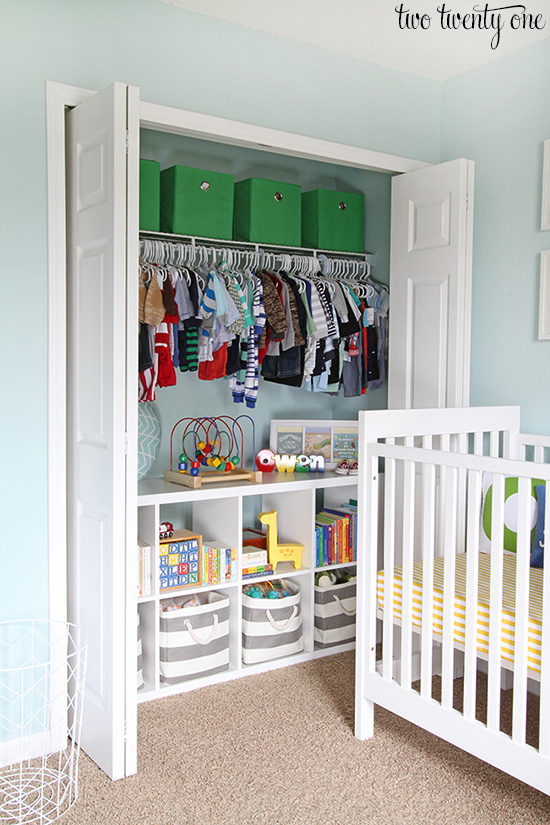
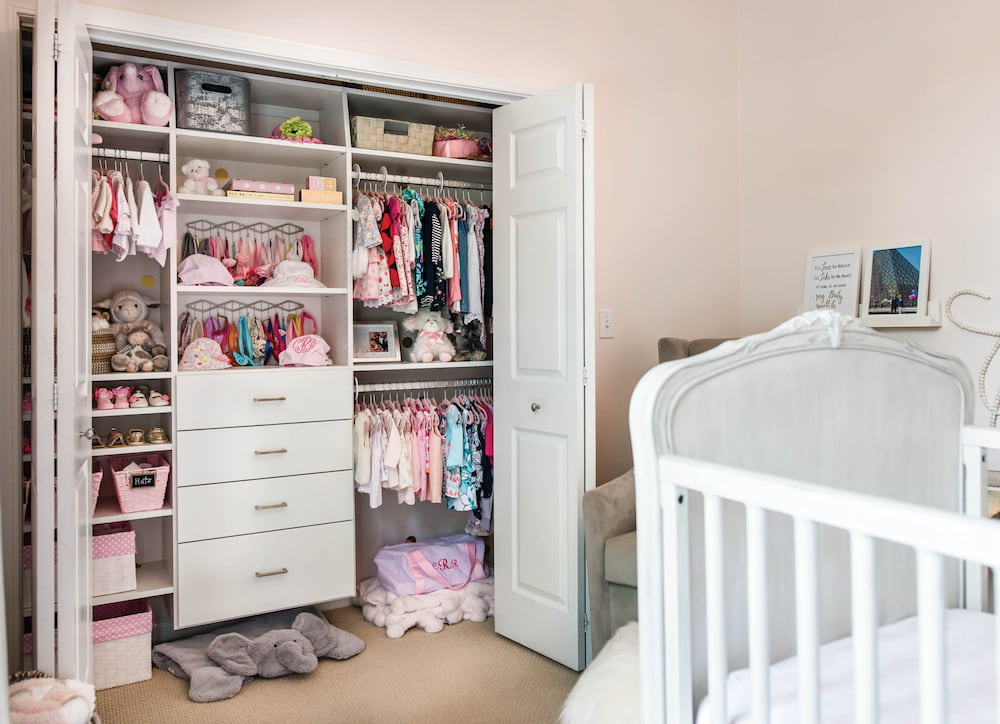
Shelves provide open space to stack clothes and accessories. Use bins on shelves to group small items like socks or hats. Clear bins help spot items quickly without opening them. Label bins to make it easier to find things. Shelves and bins keep the closet tidy and organized.
Hanging Organizers
Hanging organizers use vertical space efficiently. They are great for storing shoes, diapers, and folded clothes. Hang them on closet rods or hooks. Pockets and compartments separate items neatly. Hanging organizers keep things off the floor and easy to reach.
Drawer Dividers
Drawer dividers separate clothes inside drawers. They prevent items from mixing and getting messy. Use dividers for onesies, bibs, and small clothes. Adjustable dividers fit different drawer sizes. This keeps drawers clean and items easy to find.
Sorting Baby Clothes
Sorting baby clothes is the first step to a neat closet. It saves time and reduces stress. Knowing where each item belongs makes dressing easier. It also helps find the right size quickly. Organizing clothes by clear groups keeps the closet tidy and manageable.
By Size And Season
Sort clothes by size first. Group newborn, 0-3 months, 3-6 months, and so on. This helps find the right fit fast. Next, separate clothes by season. Keep summer outfits together and winter clothes in another spot. Store off-season clothes in bins or higher shelves. This frees up space for current items. Size and season sorting keeps the closet practical and simple.
By Type And Frequency
Sort clothes by type next. Group onesies, pajamas, pants, and tops separately. This helps find specific items without searching. Sort by how often you use each item. Place daily wear in easy-to-reach spots. Special occasion clothes can go in a less accessible area. This system saves time during busy mornings. Organizing by type and frequency keeps the closet user-friendly.

Credit: www.onesweetnursery.com
Labeling For Easy Access
Labeling helps keep a baby closet neat and easy to use. It saves time by showing where items belong. You can find clothes, toys, or diapers quickly. This system also teaches kids to put things back. Clear labels reduce clutter and stress for parents. Simple labels make the whole closet more organized.
Label Types
Paper labels are cheap and easy to make. Use markers or printed text for clear writing. Plastic labels last longer and resist spills. Fabric labels can be sewn onto baskets or bins. Chalkboard labels allow you to change names often. Choose labels that match your style and needs.
Label Placement Tips
Place labels at eye level for easy reading. Attach labels on the front of bins or shelves. Use the same position on each container to create order. Avoid placing labels too high or too low. Keep labels simple and large enough to read fast. Make sure labels stay firmly attached to avoid falling off.
Maximizing Vertical Space
Maximizing vertical space in a baby closet saves room and keeps things neat. Vertical space means using the height of the closet well. It helps store more items without making the closet messy. You can reach things easily and keep baby clothes and toys organized.
Using Hooks And Rods
Hooks and rods make good use of vertical space. Hang small bags, hats, or accessories on hooks. Use rods to hang clothes of different sizes. This keeps clothes wrinkle-free and easy to find. Place rods at different heights to fit short and long clothes. Hooks also hold items like bibs and blankets. They keep things off the floor and visible.
Stacking Techniques
Stacking uses vertical space on shelves well. Fold clothes neatly before stacking. Group clothes by size or type to find them fast. Use clear bins or baskets for small items. Label bins to avoid searching. Stack lightweight items on top to prevent damage. Leave some space on top to avoid clutter. This method makes the closet look tidy and organized.
Maintaining A Tidy Closet
Keeping a baby closet tidy makes daily routines easier and faster. A neat closet helps you find clothes and items quickly. It also creates a calm space for both you and your baby. Staying organized prevents clutter from building up over time.
Simple habits keep the closet fresh and useful. Regular care avoids mess and keeps everything in place. This section explains easy ways to maintain a tidy baby closet.
Regular Decluttering
Remove outgrown clothes and unused items often. Check the closet every few weeks or months. Donate or store clothes that no longer fit. Clearing out frees space and keeps the closet neat. Focus on what your baby wears now.
Updating Storage As Baby Grows
Change storage solutions as your baby’s needs change. Use bigger bins or shelves for larger clothes and toys. Keep frequently used items at easy reach. Adjust hooks and hangers for new sizes. This keeps the closet practical and organized.
Frequently Asked Questions
How Do I Start Organizing A Baby Closet?
Begin by emptying the closet and sorting items by type and size. Discard or donate unused clothes. Use bins and labels to separate essentials, making items easy to find and maintain.
What Storage Solutions Work Best For Baby Clothes?
Use clear bins, hanging organizers, and drawer dividers. These keep clothes visible and accessible. Soft baskets and shelves help store toys and accessories neatly, maximizing space.
How Often Should I Reorganize My Baby’s Closet?
Reorganize every 3 to 6 months. Babies grow quickly, and clothes sizes change. Regular updates prevent clutter and keep the closet functional and tidy.
How Can I Make Baby Closet Organization Safe?
Use sturdy shelves and avoid heavy items on high racks. Secure furniture to walls to prevent tipping. Keep small objects out of reach to ensure baby safety.
Conclusion
Organizing a baby closet makes daily routines easier and faster. Neat shelves and labeled bins help find clothes quickly. Sorting items by size or type saves space and time. Keeping things tidy reduces stress and keeps the room safe. Small steps create a calm and joyful environment for your baby.
Start with simple changes and enjoy the order. A well-organized closet supports happy, smooth days with your little one.


