Why Do Some Mirrors Make Me Look Bad?
Have you ever looked into a bathroom mirror and loved what you saw, only to walk past a store window or elevator mirror and wonder who that stranger is? You are not alone in asking, “why do some mirrors make me look bad.” The truth is that glass quality, harsh lighting, poor angles, and even your own daily stress levels all team up to warp your true reflection, meaning those unflattering mirrors are almost always lying to you.
Picture this. You spend twenty minutes doing your hair, picking out a nice outfit, and stepping out the door feeling confident. Then, you catch a glimpse of yourself in a public restroom or elevator mirror, and you instantly want to hide. Your skin looks sallow, your features appear distorted, and you are left wondering, “why do some mirrors make me look bad?”
It is a frustrating and surprisingly common experience. One minute you look radiant, and the next you look like you need a week of sleep. But here is the good news. You have not suddenly aged ten years in the span of a ten-minute walk. Instead, you are falling victim to the physics of glass, poor lighting, and environmental trickery.
Let us dive into the fascinating science behind why some mirrors make me look bad and how you can spot the culprits that are messing with your self-esteem.
Key Takeaways
- Glass Thickness Matters: Single-pane glass creates a crisp reflection, while cheap or thick glass creates multiple distorted reflections.
- Lighting is Everything: Overhead downlighting casts deep shadows under your eyes and nose, making you look tired and old.
- Curvature Distortion: Manufacturing flaws can accidentally bend glass inward or outward, creating a funhouse effect on your face.
- The Psychology of Stress: When you are tired or rushing, your brain processes your reflection more critically than when you feel relaxed.
- Distance and Angles: Standing too close to a mirror or viewing it from a sharp angle stretches your features unnaturally.
- The Flip Effect: We are used to seeing our reversed selfie faces, so true-image mirrors often feel jarring and unfamiliar.
The Physics of Glass: Quality and Thickness
Not all glass is created equal. When manufacturers make mirrors, the quality of the materials plays a massive role in how accurate your reflection will be. Cheap glass can turn your morning routine into a funhouse experience.
Single-Pane vs. Double-Pane Glass
High-end mirrors use a process where the reflective coating is applied to the back of high-clarity glass. But cheaper mirrors often use lower-grade glass that contains microscopic impurities. Furthermore, the thickness of the glass matters. When light passes through thick glass to hit the reflective backing, it bounces back twice—once off the front surface of the glass and once off the silver backing. This creates a tiny, double-image refraction that blurs your features and makes you look washed out.
Manufacturing Imperfections
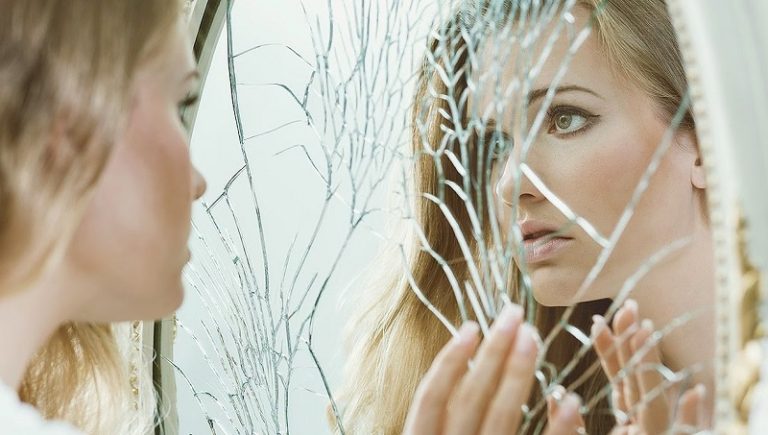
Have you ever noticed that wavy look on old department store mirrors? That happens during the cooling process of glass manufacturing. If the glass cools unevenly, it develops microscopic waves, curves, and bumps. Even a tiny, invisible bend in the glass can stretch your nose, squash your eyes, or widen your face. When you ask why do some mirrors make me look bad, the literal answer is often that the glass itself is warped.
The Lighting Trap: How Bulbs Play Tricks on Your Face
Lighting is the single biggest factor in how you perceive your appearance. You can have a flawless, high-end mirror, but if the lighting is wrong, you will look terrible.
Visual guide about Why Do Some Mirrors Make Me Look Bad
Image source: static.wixstatic.com
Harsh Overhead Downlighting
Public restrooms and commercial buildings love to install recessed lighting directly overhead. While this looks modern and sleek, it is an absolute disaster for your face. Downlighting creates harsh shadows underneath your brow bone, nose, and chin. It instantly accentuates dark circles, emphasizes fine lines, and makes your cheekbones disappear. It is the exact opposite of flattering studio lighting.
Color Temperature Issues
Lightbulbs come in different color temperatures, measured in Kelvins. Cool blue light makes your skin look ghostly, pale, and unhealthy. Warm yellow light can make you look sallow and jaundiced. If a mirror is surrounded by poor color-temperature bulbs, it will drain the natural warmth from your skin, leading you right back to wondering why do some mirrors make me look bad.
Angles and Distance: The Geometry of Reflection
Geometry plays a massive role in how your reflection appears. The way you stand in front of a mirror changes your entire facial structure in the glass.
The Danger of Standing Too Close
When you lean in close to a mirror to put on makeup or check your skin, you enter wide-angle distortion territory. Your nose is closer to the glass than your ears, which makes your nose look much larger than it actually is. Stepping back just two or three feet gives you a much more accurate and balanced view of your face.
Tilt and Elevation
Mirrors that are hung too high or tilted downward force you to look up or down at an unnatural angle. Looking up stretches the skin on your neck and creates shadows under your chin. Looking down accentuates your under-eye bags. Ideally, a mirror should be mounted at eye level, hanging completely vertical.
The Psychology of Perception and Stress
Sometimes, the mirror is not doing anything wrong at all. Instead, your brain is playing tricks on you. Our perception of ourselves fluctuates wildly throughout the day based on our mood, energy levels, and stress.
The Fatigue Factor
When you are tired, stressed, or rushing through your day, your brain’s self-evaluation mode shifts into hyper-criticism. You are more likely to hyper-focus on a single breakout, a stray hair, or a wrinkle. When you look into a mirror while stressed, you do not see the whole picture. You only see the flaws your anxious brain is hunting for.
The Unfamiliarity of True Reflections
Think about how you see yourself most often: in selfies or video calls. Most front-facing cameras automatically flip your image so it matches what you are used to seeing in a mirror. But when you look into a non-flipped, true-image mirror, your face is reversed. Because your friends and family see this non-reversed version of you every day, it looks normal to them. But to your brain, it looks foreign, asymmetrical, and “wrong,” which triggers that uneasy feeling of why do some mirrors make me look bad.
How to Find Your True Reflection
Now that you know why bad mirrors exist, how can you find out what you actually look like? You need to seek out environments with the right tools.
Look for Natural Daylight
Natural, diffused daylight is the gold standard for mirrors. A mirror placed near a north-facing window will give you the most accurate representation of your skin tone, hair color, and features. If your home bathroom lacks natural light, consider swapping your bulbs for high-CRI (Color Rendering Index) daylight bulbs.
Use the Two-Mirror Trick
If you want to see your non-reversed, true self without camera distortion, use two mirrors placed at a right angle. By looking into the seam where they meet, you see the exact image that the rest of the world sees when they look at you.
Conclusion
The next time you catch a glimpse of yourself in a public space and think, “why do some mirrors make me look bad,” take a deep breath and remember the physics at play. Cheap glass, warping, harsh downlighting, and poor angles are conspiring against you. Your reflection is not a definitive judgment of your beauty or worth. It is simply a trick of light and glass. Surround yourself with good lighting, trust your morning routine, and remember that you always look much better than those sneaky, distorting mirrors want you to believe.
Frequently Asked Questions
Why do store mirrors make me look better or worse?
Retail stores carefully curate their lighting and use high-end, perfectly flat mirrors to create an appealing shopping environment. However, some fitting room mirrors use subtle curves to make you look slimmer or harsher lighting that highlights flaws, depending on the store’s strategy.
Is there a mirror that shows the exact truth?
True-image mirrors are designed without the typical glass distortion, providing a non-reversed, highly accurate reflection. However, even the best mirror is still subject to the lighting conditions of the room it is placed in.
Why do I look different in every mirror I use?
Every mirror varies in glass thickness, silver coating quality, mounting angle, and surrounding light sources. These variables combine in unique ways, meaning your reflection changes drastically from one room to the next.
Does camera lighting lie more than mirrors?
Phone cameras use wide-angle lenses that heavily distort facial features, especially when held close to the face. While mirrors have their flaws, cheap smartphone cameras often distort your appearance much more than a standard mirror.
How can I fix the bad lighting in my bathroom?
To improve your bathroom mirror, replace overhead lighting with vanity lights mounted at eye level on either side of the mirror. This eliminates harsh shadows and provides even, flattering illumination across your entire face.
Why does my skin look worse in public restrooms?
Public restrooms typically feature cold fluorescent or harsh LED downlighting combined with thick, commercial-grade mirrors. This combination creates deep shadows under the eyes and highlights skin texture, making you look much more tired than you actually are.